
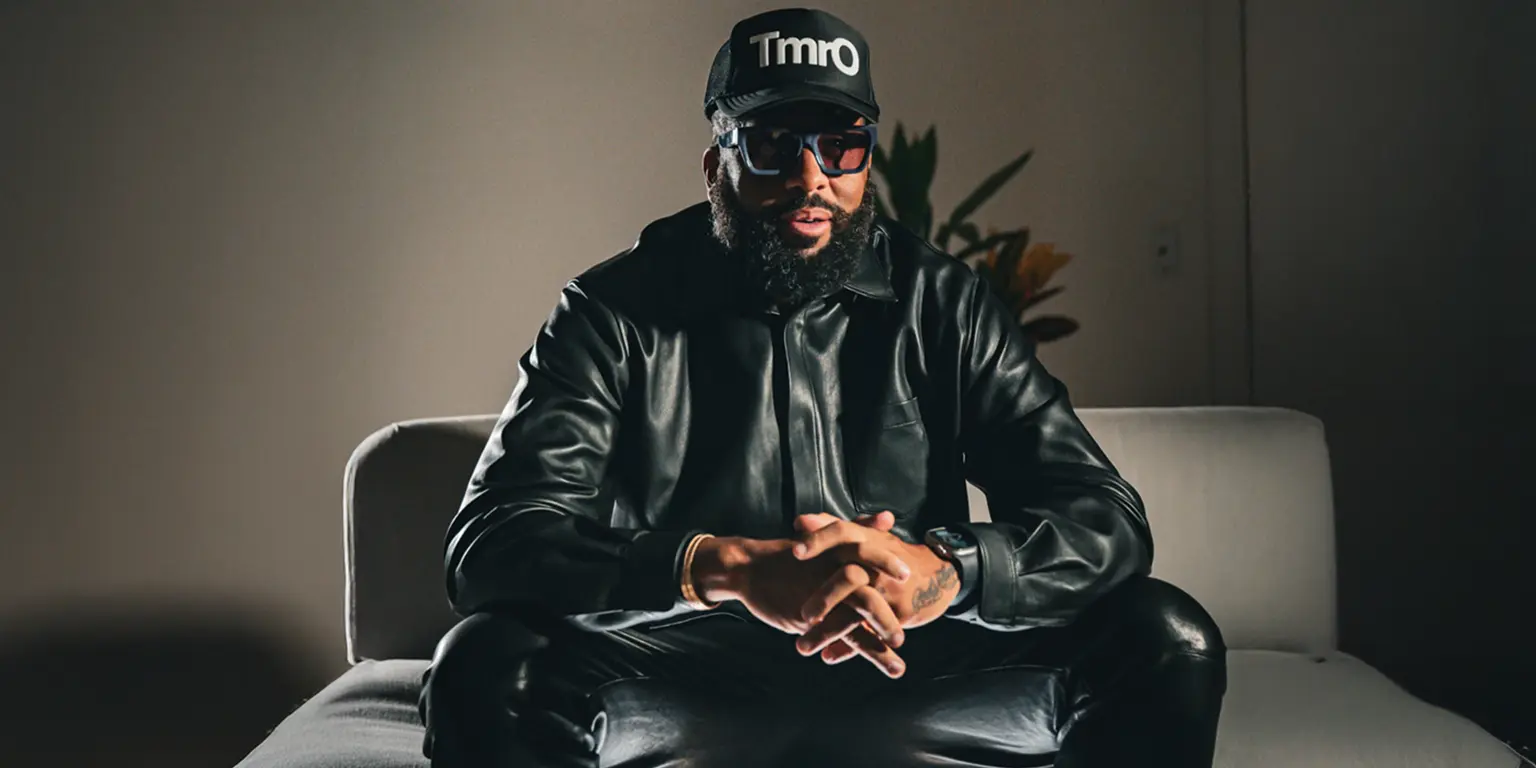
You think you own the songs on your playlist. You don’t. The culture you stream is wired dirty by labels, platforms, and hype machines that erase the hands that built it. BackTrak rips that lie open by putting producers on record and letting Don Cannon interrogate them like suspects. Every beat becomes evidence. Every classic is no longer nostalgia. It’s testimony against the machine.
The industry crowned rappers. BackTrak proves producers wrote the gospel.
You remember the face. The chain. The radio single blasting out of a Honda Civic at midnight. But you don’t remember the room it was made in. The cracked software. The producer hunched over a laptop in a basement smelling of weed and sweat. That erasure isn’t an accident. The industry crowned rappers because selling personality is easier than admitting culture was built broken by invisible labor.
BackTrak swings a hammer at that lie. Don Cannon knows better than most. He lived in the shadows of studio boards long before he became a name. When he drags Zaytoven into the chair, you see trap stripped down to its spine. When Cardo Got Wings explains how his beats turned into anthems, the illusion collapses. These aren’t side stories. They are the fucking foundation.
Music production is the ghost that haunts every stream. Labels want you thinking the face on the album cover matters more than the kick drum shaking your ribs. BackTrak reminds you producers are the real authors of culture. The beat is scripture. The rapper is just the preacher.
BackTrak reminds you the beat always mattered more than the face.
Nostalgia sells lies. BackTrak sells evidence.
Nostalgia smells sweet. Old records. Childhood bedrooms. YouTube playlists labeled “throwback vibes.” But that sweetness is poison. The industry packages nostalgia like bubblegum because it sells. Spotify’s FOMO cycle playlists. TikTok’s endless recycling of the same 20 hooks. It’s anesthesia. A dopamine drip that keeps you sedated while the machine keeps stealing.
BackTrak refuses to peddle that drug. Don Cannon doesn’t let producers melt into memory. He drags them back into the scene of the crime. What record did you flip. What night did you nearly quit. Who was in the room when the snare snapped into history. He makes them remember. You can hear it in their voices. Nervous laughter. Long pauses. Truth cutting through the haze.
When Hi-Tek flips a sample live on BackTrak, it’s not some content parade for cheap clicks. It’s forensic. You see the fingerprints. You hear the raw sound before it was sanded down for mass consumption. Nostalgia tries to sell you comfort. BackTrak hands you the bloody shirt and says look at it.
Nostalgia is a sedative. BackTrak is a crime scene report.
Every beat is a confession. Don Cannon plays the executioner.
The lights are bright. The questions land heavy. Don Cannon doesn’t smile politely while waiting for anecdotes. He doesn’t care about your promo cycle. He’s not there for gossip. He’s there for testimony. And producers know it. That’s why they crack open. Nervous fidgets. Staring at the table. Laughing before telling the ugly truth.
Cannon is the reason BackTrak doesn’t collapse into another plastic scene. He’s not playing host. He’s playing judge and jury. He knows when a story is half-truth. He pushes harder. He drags the silence out until it hurts. When Jermaine Dupri tries to dodge, Cannon pulls him back. When Marcella Araica digs into studio rituals, Cannon sharpens every detail until you feel the sweat dripping off the console.
Music journalism usually sells sanitized beige-coded interviews. BackTrak turns those into executions. Don Cannon makes producers spill what no one else can get. The shame. The grind. The accidents that rewrote culture. It feels raw because it is raw. You hear the confession in the tone, not the PR script.
On BackTrak, Don Cannon isn’t interviewing. He’s cross-examining.
The machine wants silence. BackTrak turns the volume up.
Silence is profitable. Keep producers quiet and nobody questions why the rapper is rich while the beatmaker is hustling Uber rides. Keep engineers muted and no one asks why their names vanish from streaming credits. The system runs on erasure. It’s wired dirty to reward the face while starving the hands that did the work.
BackTrak rips through that. Every time a producer sits across from Don Cannon, silence dies. You hear the frustration. The pride. The hunger. The pain hidden under years of watching other people own their sound. It’s not just storytelling. It’s resistance. And resistance sounds dangerous.
Because if the audience starts to care about producers, the whole pyramid cracks. Suddenly contracts look like theft. Suddenly labels look like parasites. Suddenly platforms look like crime syndicates built on unpaid labor. That’s why BackTrak feels urgent. It’s not just interviews. It’s exposure.
The system erased the fingerprints. BackTrak drags them back in blood.
BackTrak isn’t music journalism. It’s cultural warfare.
Most music journalism is beige-coded filler. Safe. Sterilized. Disposable vibe dressed up as critique. It sells gossip instead of history. It protects access instead of truth. BackTrak spits in its face. It doesn’t want access. It wants ownership. It doesn’t report. It repossesses.
When Don Cannon locks into a session with a producer, he’s not chasing content. He’s seizing control back from the machine. He forces the invisible hands to stand in the light. He rewrites the authorship of culture in real time. That’s not coverage. That’s war. And war doesn’t come pretty. War smells like sweat-soaked studios. It sounds like raw stems pushed through busted speakers. It feels like a beat so heavy you clench your jaw.
The more BackTrak grows, the more dangerous it becomes. Because it’s not nostalgia. It’s not entertainment. It’s repossession of culture stolen by platforms and labels. That’s why you feel it in your bones. Because somewhere in your playlist is a lie. And BackTrak is coming to kill it.
BackTrak isn’t covering culture. It’s repossessing it.