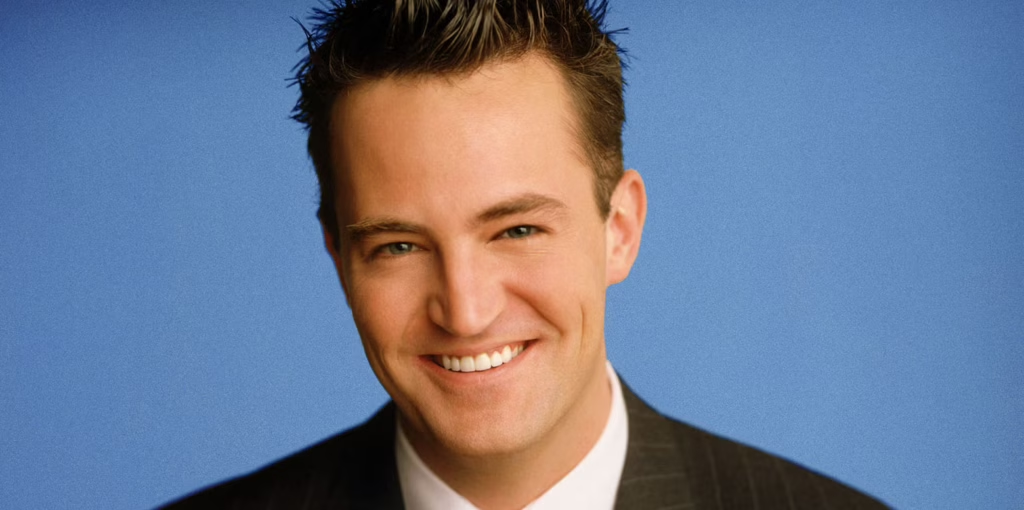
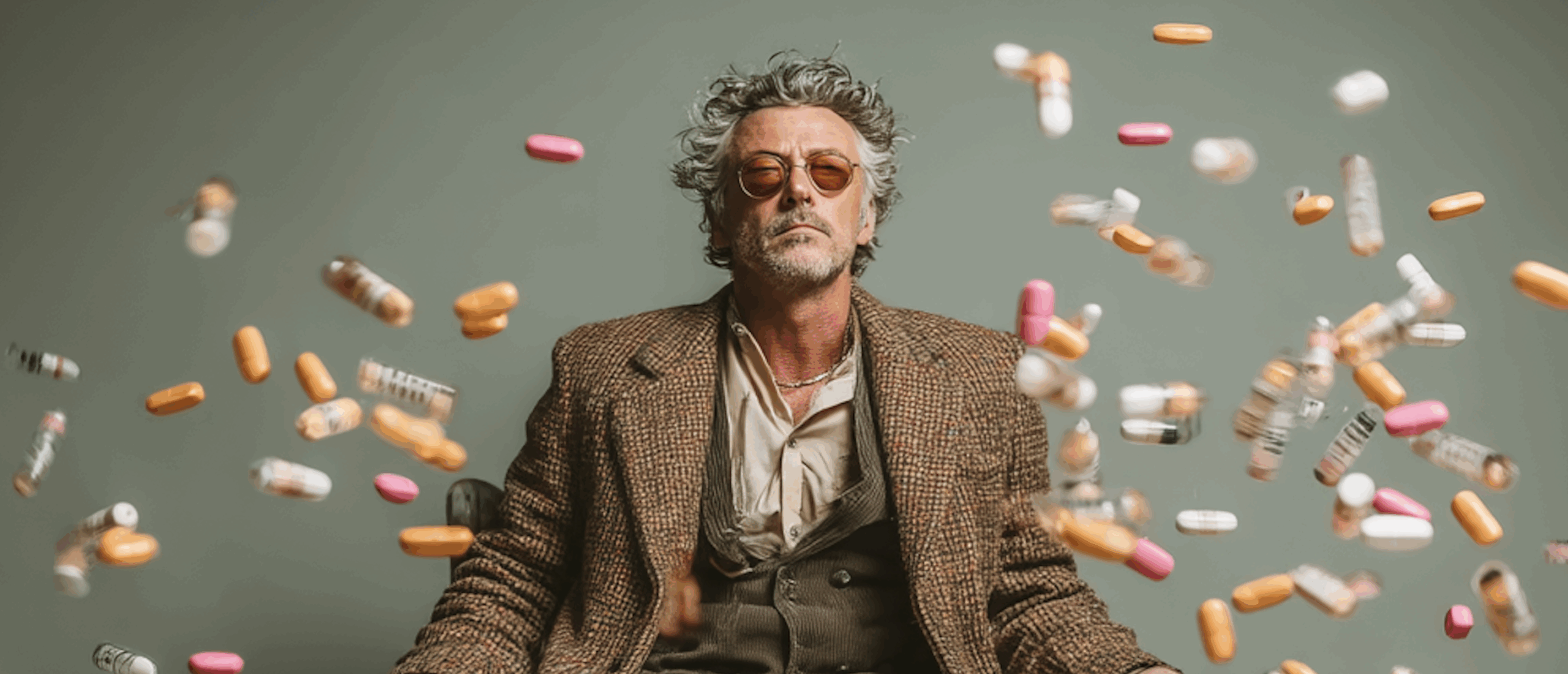
Matthew Perry didn’t overdose in isolation—he was surrounded by enablers with credentials.
Let’s not sugarcoat it: ketamine didn’t just kill Matthew Perry. The system that delivered it to his doorstep did.
And that system? It’s dressed up like healing but moves like a hustle.
Dr. Salvador Plasencia just pled guilty to supplying Perry with ketamine in the weeks leading to his death—a celebrity doctor moonlighting as a plug. The lie isn’t that Perry struggled with addiction. The lie is that he was ever truly protected from it.
The New Celebrity Plug Wears a White Coat
Back in the day, the plug came through the back alley. Now? He bills your insurance. In 2023, Perry was receiving ketamine outside any clinical setting. Text exchanges and backroom deals linked Perry’s supply chain to assistants, shady referrals, and licensed professionals all willing to say “yes” for the right price.
From September to October 2023, Dr. Plasencia funneled 20 vials of ketamine into Perry’s orbit. Not through a clinic. Not in a controlled, therapeutic setting. Just straight up, under the radar, behind closed doors.
This isn’t rare. In LA, New York, and every city in between, ketamine is the new cash cow of the wellness world. Clinics sell it like clarity in a bottle. Uber-style services deliver it like it’s room service. And if you’ve got money, credentials aren’t barriers—they’re selling points.
The Dose That Drowned Him
Perry’s official cause of death was acute ketamine toxicity. A surgical-level dose. But Perry wasn’t prepped for surgery. He was floating in his hot tub.
Mix in buprenorphine and existing heart conditions? That’s not therapy. That’s a cocktail for cardiac arrest.
This wasn’t a slip. It wasn’t a mistake. It was the byproduct of normalized malpractice—a system that treats pain with product and calls the dealer a doctor.

The Hustle Disguised as Healing
Let’s be real. The bigger lie is this: ketamine is being sold as salvation, marketed in pastel fonts and Instagram ads as the answer to your anxiety, your trauma, your grief. We renamed trips “breakthroughs.” We called the crash “integration.”
We made drug culture look therapeutic as long as it came in sterile packaging.
And when the user dies? We call it unfortunate. Complicated. We blame the addiction. But we never interrogate the storefronts handing out the high.
Because now the drug doesn’t come in a baggie. It comes with a receipt.
Perry Wasn’t a Fluke. He Was a Forecast.
Matthew Perry didn’t die because he wanted to get high. He died because everyone around him let him.
He was surrounded by degrees, badges, and polite nods—not one person who said “stop.” Every assistant, every medical peer, every pseudo-practitioner kept the pipeline flowing. They enabled. They profited. Then they disappeared.
And what does that say about this new era of medicine? When the people trusted to protect us become silent partners in our downfall?
This isn’t a one-off. It’s a trailer for what’s coming.
The Clinics Keep Glowing
Ketamine clinics are multiplying like vape shops. Treatment centers with neon lights sell you an hour of silence and a blanket and call it progress. But there’s no audit. No regulation. And no shortage of desperate people willing to swipe a card for the promise of peace.
You can walk in today, drop $400, and dissociate from your trauma with zero follow-up. It’s business. It’s branded. And it’s dangerous as hell.
So What Now?
Matthew Perry’s death should’ve been a reckoning. Instead, it’s been a shrug.
Dr. Plasencia is facing up to 40 years in prison. He cried in court. Said he was sorry. He’ll get sentenced in December. He’s still free on bond.
The ketamine clinics? Still open. The referrals? Still flowing. The hustle? Stronger than ever.
Big dose, bigger lie. Healing is real.
But what killed Perry wasn’t just the drug. It was the system that keeps pretending it cares.
And if we don’t start calling that out? Perry won’t be the last ghost in the tub.