

Iryna Zarutska survived Russian bombs but not an American train ride. She was promised refugee safety and got a Charlotte train stabbing instead. The system that released a repeat offender onto public transit wrote her death sentence in advance. The cameras caught it. The city spun it. The cost is a corpse on a train seat and a public told to keep calm. What they call random is actually rigged.
Safety is a logo. Not a shield.
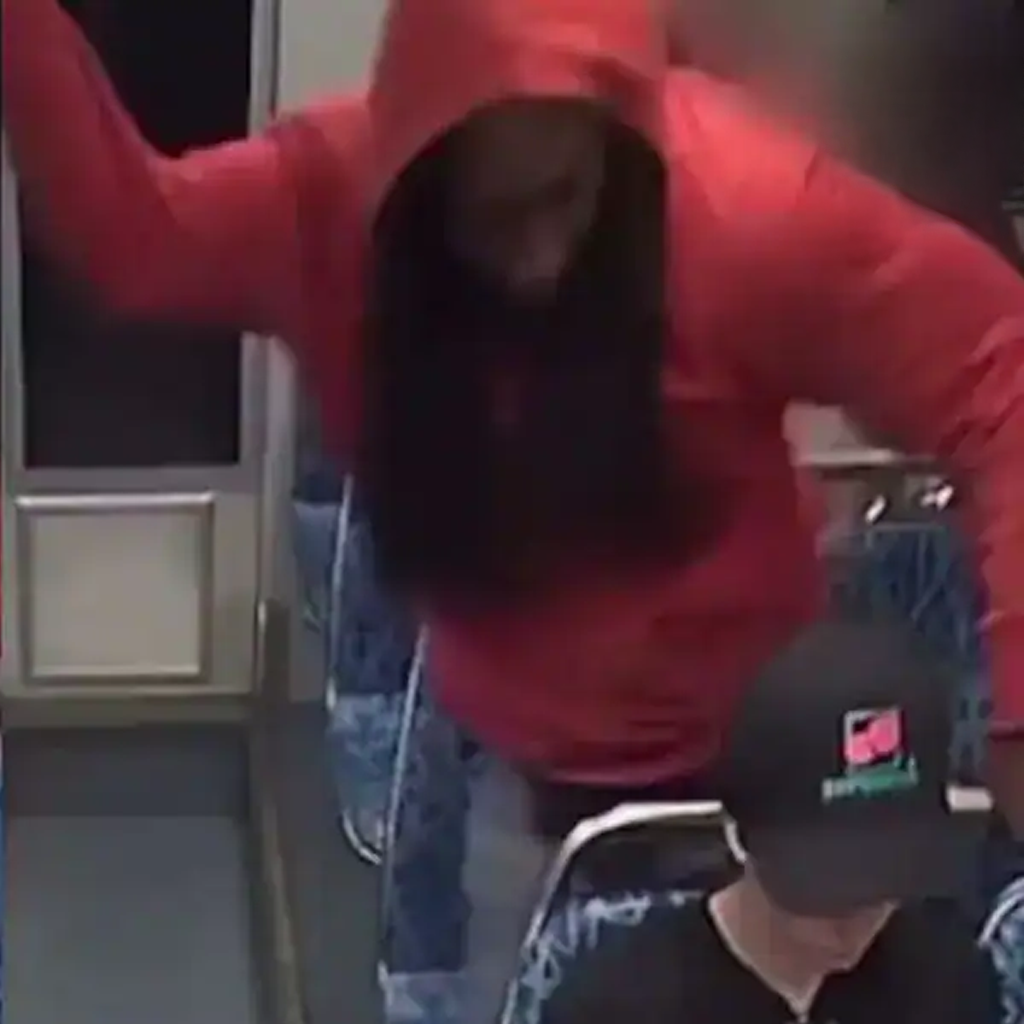
The train was humming like an appliance. Fluorescent hum. Steel wheels screaming against the rail. Iryna Zarutska sat in a plastic seat like every other commuter. The surveillance video shows the man sliding behind her. Still. Waiting. Then his hand jerks forward. The stab is fast and final. The city called it “unprovoked.” The camera caught it but the system did not stop it.
Charlotte officials brag about the Blue Line as a lifeline. Sleek branding. Green slogans. “Safe and modern” stamped on posters at every station. But a logo can’t stop a knife. A camera can only watch the murder in real time. Surveillance without muscle is theater. Riders trade cash for tickets. What they get in return is exposure.
Because the lie is this. Transit isn’t built to keep riders safe. It is built to keep revenue flowing. Guards cost money. Posters don’t. Refugees like Zarutska are collateral damage. She escaped war only to sit inside America’s fragile myth of safety. The city sells peace of mind while quietly budgeting for risk.
The seats are hard plastic. Easy to mop. Easy to sanitize. That’s what matters to officials. Not the lives inside them. The video proof doesn’t lie. Safety is a billboard. Not a shield.
She escaped missiles just to die under fluorescent lights.
Refugee safety dies the moment the camera blinks red.
Refugee safety is a press release. A ribbon-cutting. A hashtag. Zarutska got the paperwork. She got the entry stamp. She got the speeches about a “new life.” But she didn’t get a guard on the train. She didn’t get real protection. She got surveillance footage of her final breaths. That’s refugee safety in practice.
Cities like Charlotte treat refugees as proof of compassion. They highlight them in local news. They turn them into symbols of generosity. But once the camera crews leave, the state leaves them too. Safety becomes a slogan stamped on government forms. Zarutska was working. Paying rent. Trying to live. The system congratulated itself while leaving her exposed.
Because the truth is ugly. Refugee safety is measured by visas processed, not lives protected. It is about optics, not outcomes. A city that can’t keep its own citizens alive on public transit has no right to sell itself as sanctuary. Zarutska wasn’t just failed by one man. She was failed by the entire machine that called her safe.
The Blue Line lights are harsh. Cold. Cameras blink red like eyes. But eyes don’t intervene. They don’t stop knives. They don’t hold back repeat offenders with long rap sheets. They just record. Then they are used to reassure the public that “justice is being done.” That’s not safety. That’s after-the-fact propaganda.
Safety wasn’t a promise. It was advertising copy.
Repeat offender is just code for future victim.
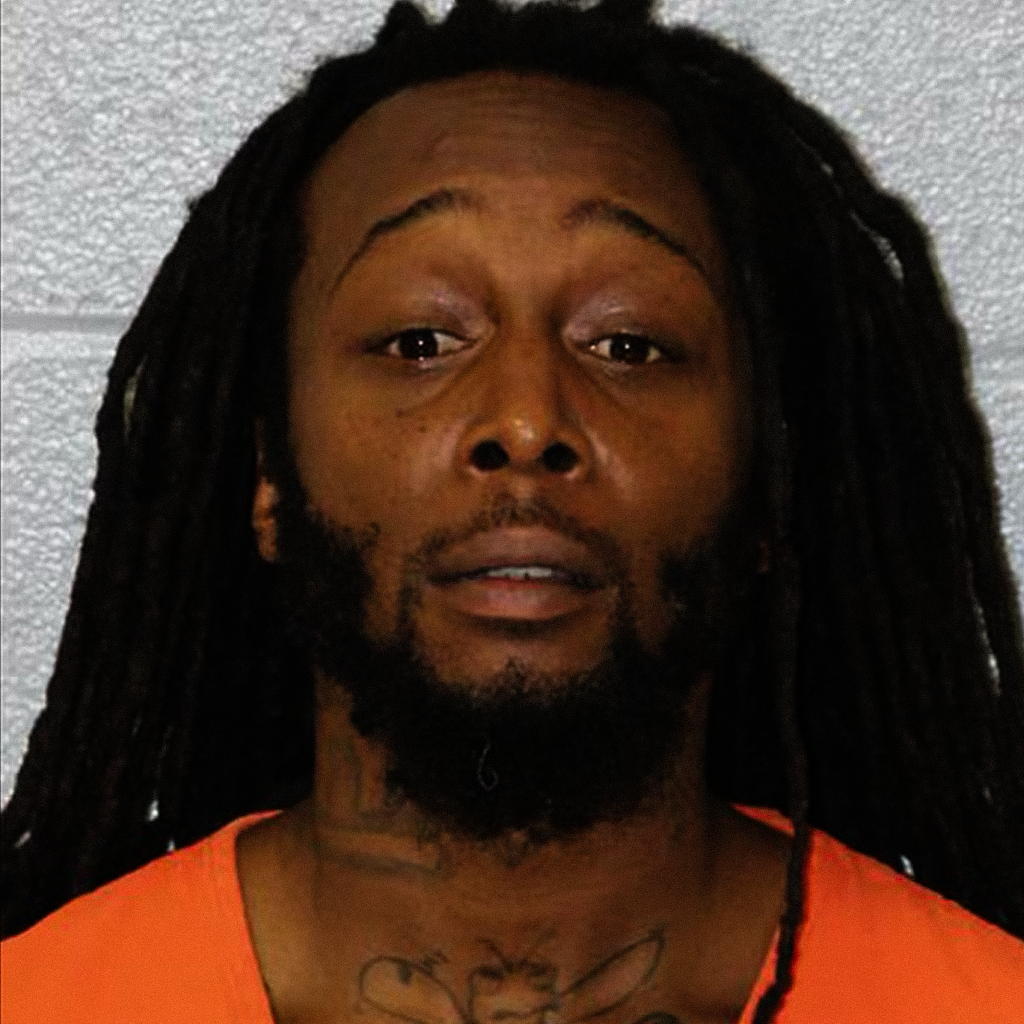
Decarlos Brown Jr was called a repeat offender. That’s polite code. It means the courts saw him. Again. And again. And again. They knew. They had paperwork stacked on his name. Arrest reports. Mental health calls. Each one stamped and filed. Then he walked free. Over and over. Until the system’s negligence finally landed in Zarutska’s chest.
Judges call this balance. They claim they weigh the rights of the accused against the risk to the public. But balance is bullshit when the blade keeps swinging. Every release order is a roll of the dice. And the public pays the bet with their bodies. In Charlotte, the bet came due on a Tuesday night inside a Blue Line car.
Look closer. His history wasn’t secret. Reports of schizophrenia. Delusional 911 calls about invisible forces. Armed robbery priors. The city knew who he was. They knew what he could do. Still. He was free to ride. Free to kill. The state calls it random. It was predictable.
Every magistrate who stamped his release signed a silent death warrant. They didn’t know the name on it yet. Now they do. It was Iryna Zarutska. They made the gamble. She paid. That’s not justice. That’s systemic manslaughter dressed in legal robes.
Every release order is a countdown with someone else’s name on it.
Transit crime isn’t rare. It’s ritual. Is Charlotte Train Stabbing any different ?
Officials label transit crime “rare.” They roll out numbers that blur into percentages. But ritual doesn’t need big numbers. Ritual needs repetition. And every city rider knows it. The men pacing train cars. The shouts. The broken glass. The gut feeling in your stomach when the doors close and you’re trapped in a moving box with danger. That’s ritual.
Data proves the rise. Cities like New York and San Francisco have reported spikes in subway assaults. Charlotte has had multiple Blue Line incidents in the last two years. Each time the fix is the same. Cameras. Announcements. A mayor’s press conference. Never the muscle that could actually stop it. Because muscle costs money. Optics are cheaper.
Passengers know the truth. You feel it in the sweat-slick poles you grip. You hear it in the silence when no guard boards your car. You smell it in the alcohol fumes from the man slumped in the corner. Transit crime thrives in these gaps. Predictable. Patterned. Ritual.
So when officials call Zarutska’s stabbing shocking, they are lying. It wasn’t shocking. It was rehearsed. Years of policy choices rehearsed it. Years of budget cuts rehearsed it. Every absence of security rehearsed it. The Blue Line didn’t fail once. It fails daily.
The trains run on time but the bodies never make the schedule.
A system that can’t keep riders alive is already dead.

Her name is Iryna Zarutska. Not a statistic. Not collateral. A refugee who lived through Russian bombs only to be murdered on an American train. Her death is proof that Charlotte’s transit safety is a myth. Proof that refugee safety in America is staged. Proof that repeat offenders are walking time bombs handed back to the public.
This isn’t an accident. It is the logical conclusion of a system that values posters over patrols. Budgets over bodies. Optics over survival. They called her death unprovoked. They called it rare. But the truth is louder. It was predictable. It was systemic. It was guaranteed.
Because if the Blue Line can’t stop a murder in front of its own cameras, then what is it but a coffin on rails. If refugee safety collapses at the first collision with reality, then what is it but a sales pitch. If courts keep recycling offenders until they escalate, then what is justice but theater.
The city will move on. It will stage vigils. It will whisper about reforms. But the system won’t change. Because this isn’t about one night in Charlotte. It is about a corpse disguised as a city. And Zarutska’s blood is the proof.
Zarutska didn’t just die. She exposed a corpse disguised as a city.