
You think you’re silenced. You’re not. You’re being sold. Free speech online was never free. The feed isn’t a public square. It’s a shopping mall with velvet ropes, where speech is tagged, priced, and throttled before it ever leaves your throat. Algorithms don’t defend freedom. They defend advertisers. And every time you think your voice disappeared, it didn’t vanish. In other words, the shadowbanning is real. It was quietly buried under inventory rules, brand safety filters, and a pay-to-play checkout line.
You can scream all you want. The algorithm decides if anyone hears it. Is this free speech online at its best…

Your post doesn’t fall flat because you’re boring. It dies because the feed never carried it. The silence feels personal, but it isn’t. It’s structural. Courts already made it clear. The First Amendment ties the hands of governments, not Silicon Valley. In Manhattan Community Access v. Halleck (2019), the Supreme Court ruled private platforms aren’t state actors. Add Section 230 on top of that and the picture sharpens. Platforms are shielded from liability while still free to control distribution. Translation. Facebook owes you nothing. Twitter owes you nothing. Instagram owes you nothing.
But listen to the marketing. Musk called X a “town square.” Zuckerberg insists Meta “connects the world.” The words sound noble until you stack them against their own rules. Instagram’s help page admits some posts are “not eligible for recommendations.” TikTok keeps videos off For You. Meta hides posts tagged “partly false.” This isn’t free speech online. It’s algorithmic moderation disguised as neutrality.
Users feel the choke every day. TikTok creators post videos begging followers, “Am I shadowbanned?” Reddit fills with flowcharts of algorithm tweaks. Instagram influencers trade survival tips to claw back visibility. They’re mocked for paranoia, yet the receipts are public. Eligibility toggles. Downranking policies. Partnerships with fact-checkers that determine whether your post lives or dies. Platforms laugh while quietly throttling.
The contradiction is sharp. They sell you the dream of expression while delivering logistics. They talk like free speech defenders while running speech as inventory. You can say what you want, but the algorithm decides whether anyone hears it. That isn’t neutrality. It’s a velvet rope pulled by profit.
Online speech doesn’t live or die on law. It lives or dies on brand safety.
The yellow dollar sign became a meme. Creators plastered it across thumbnails, tweeting screenshots with rage. The “adpocalypse” hit YouTube in 2017 after brands like AT&T and Johnson & Johnson yanked ads from videos next to extremist content. Overnight, creators watched paychecks vanish. Billions in advertising at risk. YouTube’s solution. Blanket demonetization. Entire categories. Politics. News. Profanity. All flagged as “unsafe.”
The lesson spread like rot. Meta axed its News tab in the U.S. and Australia. Instagram declared politics wouldn’t be proactively recommended in 2024. Journalism didn’t disappear because it lost value. It disappeared because advertisers didn’t want to sit next to it. And what advertisers fear gets starved.
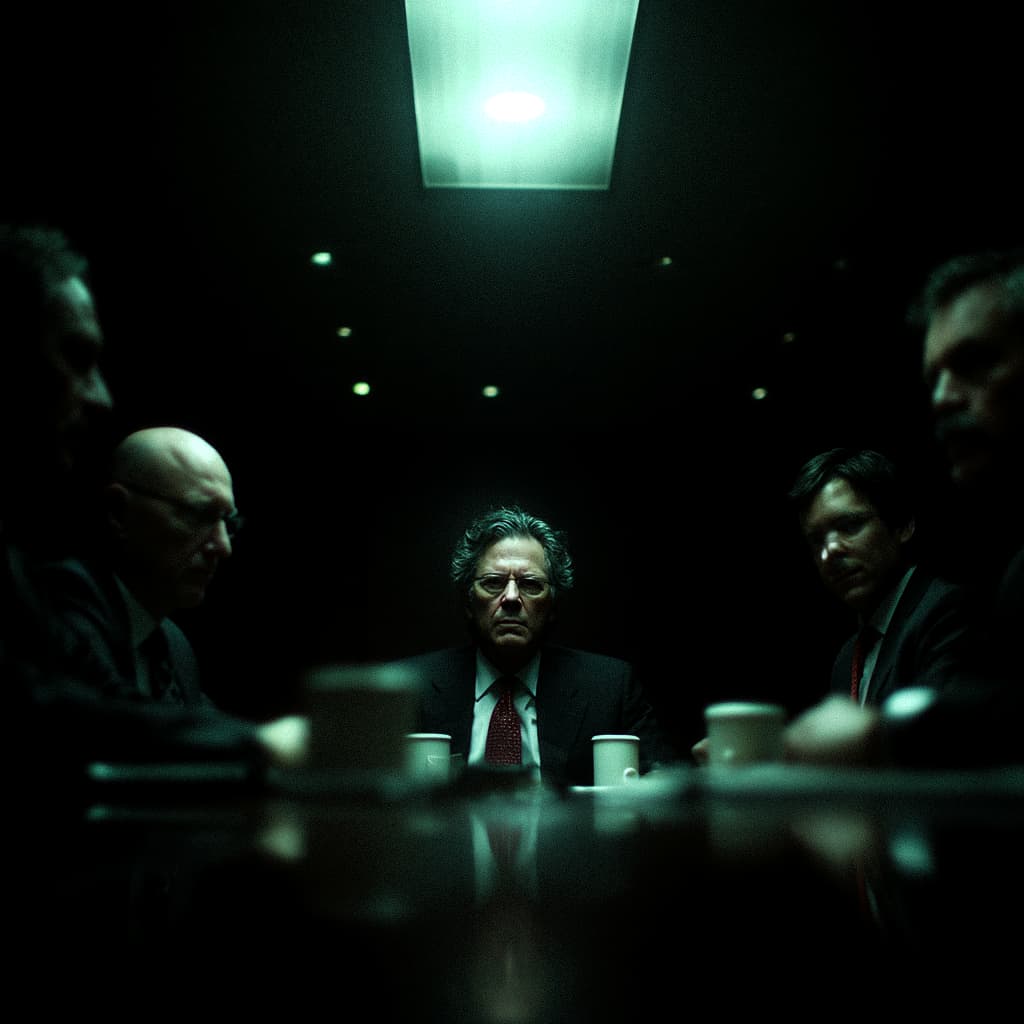
Imagine the boardrooms. Stale coffee. Executives sweating under fluorescent lights. P&G calls. Pepsi calls. “Get our logos away from controversy.” Platforms fold instantly. Billions in revenue beat billions of voices. The rules weren’t written for users. They were written for brand safety.
Suitability settings now let corporations blacklist whole topics. War. Tragedy. Protests. Even “sensitive” language. That’s not a bug. That’s the feature. News dies. Dissent dies. But makeup tutorials. Cooking reels. Harmless comedy. They live, thrive, and flood your feed.
The next time you read a “community guideline,” remember. It isn’t about harm reduction. It’s about protecting brand safety. And if your words trigger risk, you won’t just lose ads. You’ll lose oxygen.
The feed doesn’t reward merit. It rewards transactions.
A TikTok staffer flips a switch. A random video, barely crawling at 200 views, suddenly explodes into millions. They call it “heating.” It’s not rumor. It’s policy. At the same time, Musk openly admits X boosts paid users. “Priority in replies and search” if you subscribe. Meta offers the same with “Boost” buttons and Meta Verified. Distribution isn’t luck. It’s checkout.
Yet people cling to the myth. They think virality is a democratic vote. That good content wins by resonance. But behind the curtain, algorithmic moderation runs like a cash register. Every recommendation is a transaction. Every boost is a sale. Visibility isn’t earned. It’s auctioned.
The sound of the scanner beep is everywhere. A creator pays $20 to push a reel. A brand buys a million impressions. A political campaign purchases “reach expansion.” The algorithm doesn’t care if you’re brilliant, truthful, or dangerous. It cares if you paid.
And when you don’t. You sink. Posts die in obscurity while boosted content floods the feed. The myth of neutrality is theater. Platforms insist, “We don’t shadowban. We surface content based on engagement.” But engagement is just another metric tuned to favor revenue.
This isn’t meritocracy. It’s inventory control. You thought the feed was neutral. It isn’t. It’s a cashier ringing up your existence.
They don’t delete your words. They delete your certainty.
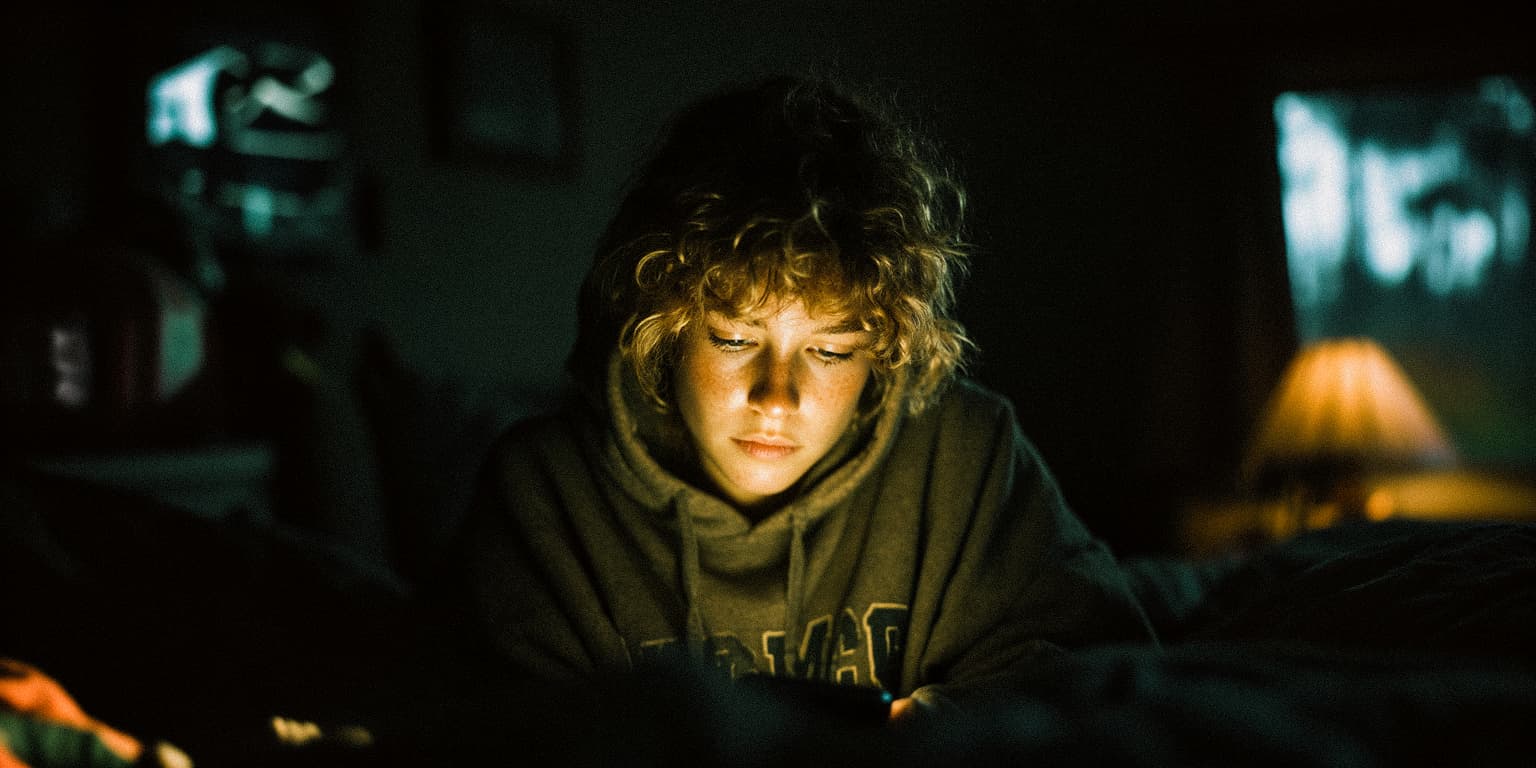
The silence comes first. Your phone glows at 3AM, screen hot in your palm, but the likes stall at twelve and die there. You refresh until your thumb aches. Nothing. Your stomach knots, a hollow drop like missing a step on the stairs. You wonder if you’re invisible. Or worse. Irrelevant. That creeping doubt is not random. It’s designed.
Creators across TikTok post desperate clips asking, “Am I shadowbanned?” Instagram influencers trade hacks to “escape throttling.” Reddit fills with threads dissecting the algorithm like it’s the Zapruder film. Platforms call it conspiracy. Users call it survival. The ambiguity is intentional. Because silence keeps you posting harder, boosting more, second-guessing yourself instead of second-guessing the system.
The receipts are buried in policy pages. Instagram’s Account Status quietly admits some posts are “not eligible for recommendations.” TikTok confesses certain videos never reach For You. X doesn’t use the word shadowban. They call it “visibility filtering”. Corporate PR denies censorship while engineering reach reduction in plain sight. The contradiction is brutal. They say “we don’t silence you” as they throttle you into paranoia.
And paranoia prints money. Because when silence swallows your posts, you’re nudged toward the Boost button. You’re nudged toward verification. You’re nudged to pay just to confirm you’re still alive. It’s a slot machine without rules. Every spin costs. Every silence convinces you the jackpot is one more pull away.
That doubt becomes the leash. You can’t fix what you can’t measure. You can’t fight what you can’t prove. And so you stay hooked. Chasing reach that was designed to vanish.
When journalism suffocates, propaganda fills the lungs.

The wildfire smoke turned the sky blood-red in Canada. People turned to Facebook for updates. Instead, they got nothing. Meta had blocked news links in retaliation to new regulation. Local reporting suffocated. Clickbait and scams filled the vacuum. Citizens were stranded without credible information in a disaster. That’s not an accident. That’s design.
This is what happens when platforms decide news is too costly. Instagram in 2024 stopped recommending politics by default. Facebook killed its News tab. TikTok heating scandals showed staff could arbitrarily boost fluff while burying harder truths. Journalism didn’t fade. It was throttled out of circulation.
And when truth suffocates, lies thrive. Conspiracy influencers push content that advertisers find “safe enough.” Scam ads flood feeds because they pay. Meanwhile, investigative journalism withers. Activists lose reach. Movements dissolve into silence.
The contradiction stings. Platforms claim to “fight misinformation.” But their own rules starve the only entities built to counter it. They block oxygen from fact-based reporting, then reward viral garbage. Even under the Digital Services Act (DSA), platforms are being forced to reveal how their recommendation systems bury journalism. Outside Europe, opacity still rules.
Culture collapses when truth can’t trend. And culture has collapsed. The vacuum is filled with distraction, entertainment, and profit-friendly lies. Because when truth doesn’t trend, lies pay the rent.
Your voice didn’t vanish. It was buried under a price tag.
Platforms swear they don’t shadowban. They’re technically right. They don’t delete your words. They bury them. Downranked. “Not eligible.” Non-recommended. Non-monetized. Your words survive in the database. They die in the feed.
This isn’t punishment. It’s economic exclusion. Meta’s own 10-K filing spells it out. “Substantially all of our revenue comes from advertising.” If your content can’t be packaged as safe inventory, it’s throttled. If you can’t afford boosts or verification, you sink. Small creators watch their reach collapse while influencers with budgets float.
The insult is deeper than censorship. At least censorship admits power. This is commodification. Your existence is measured against brand safety and monetization filters. You didn’t get silenced because you were wrong. You got silenced because you weren’t profitable.
Creators know it. They beg followers in captions. “Please engage or the algorithm buries me.” They livestream rants about dying reach. They aren’t exaggerating. They’re documenting their own economic exile.
The internet didn’t censor you. It sold you. Then marked you down. No free speech online.
The final lie is the cleanest. Free speech online. It sounded noble. It sounded democratic. But it was camouflage for the most ruthless sales machine in human history. Every post was inventory. Every voice a SKU. Every opinion another slice of ad placement.
Feeds protect margins, not rights. Distribution belongs to advertisers, not users. Access belongs to subscribers, not citizens. The “town square” you thought you were in. It was a mall food court where your words were taxed before they even left your mouth.
The cost isn’t just reach. It’s culture itself. News dulled. Activism silenced. Truth throttled. All because brand safety and algorithmic moderation suffocate free speech online. You didn’t lose freedom. You lost distribution. And distribution is the only freedom that matters in a world run by feeds.

 N. Fontaine