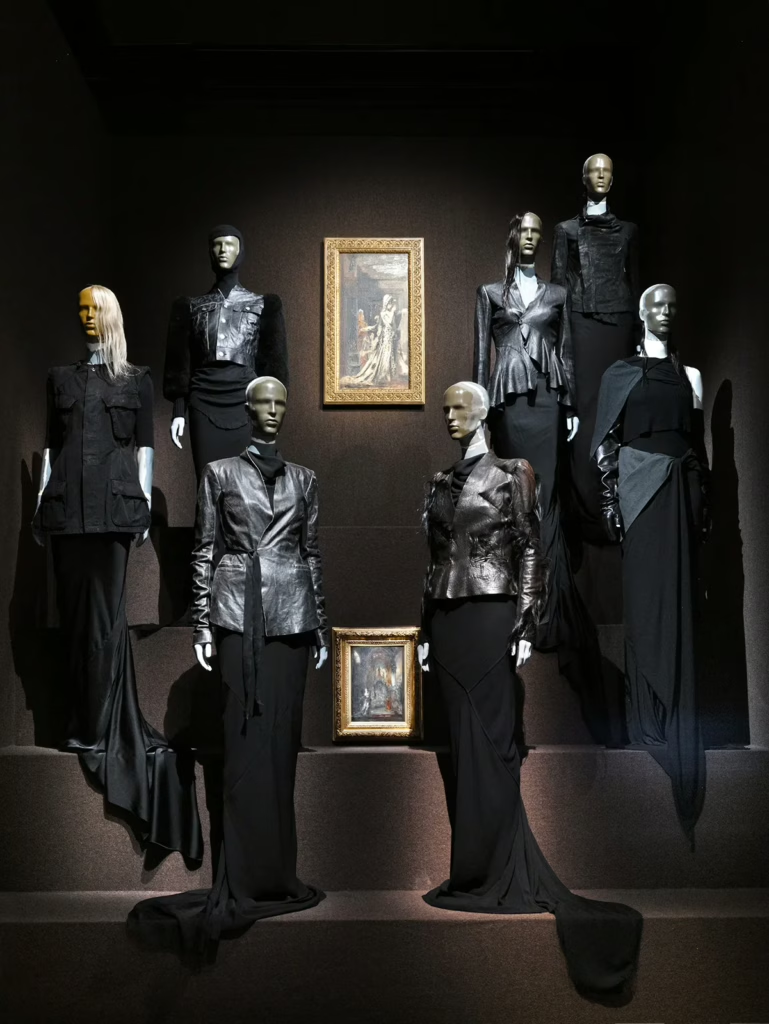
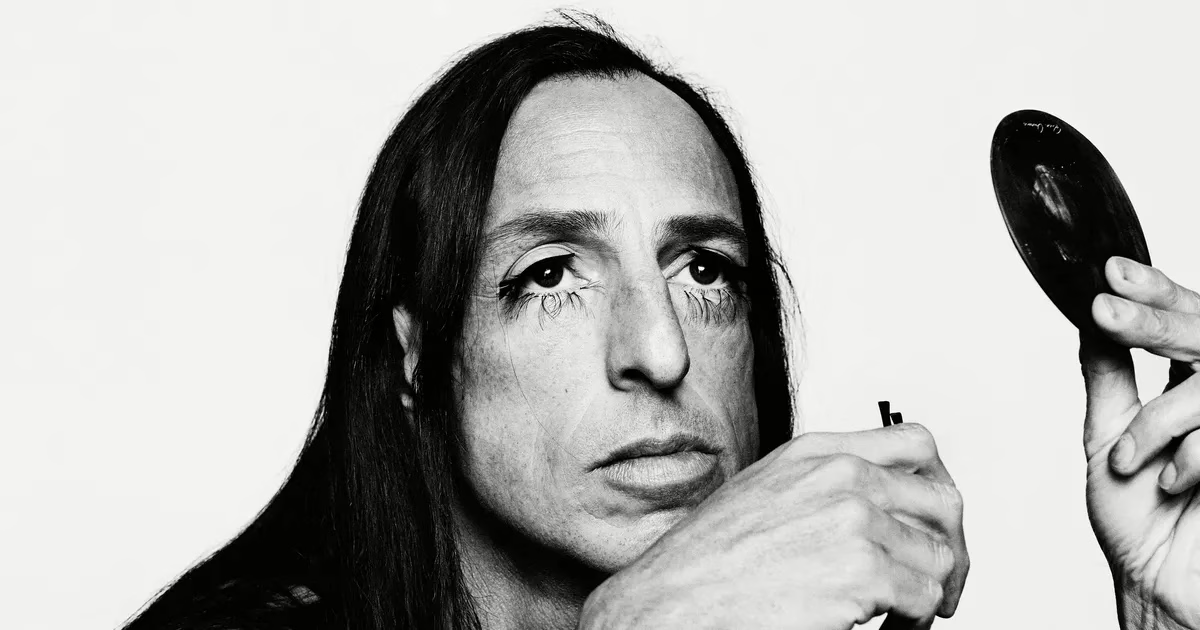
They call it Temple of Love. It is not a temple. It is a refrigerated coffin where rebellion lies under glass.
You step inside and the air is wrong. Not holy. Not hostile. Controlled. The marble sweats under the spotlights. Sequins glint like embalmer’s tools. Every piece sits with the reverence of a saint’s rib bone. Displayed. Protected. Drained of its pulse. Ten rooms. Ten sermons. Ten reminders that the Rick Owens you came for is gone.
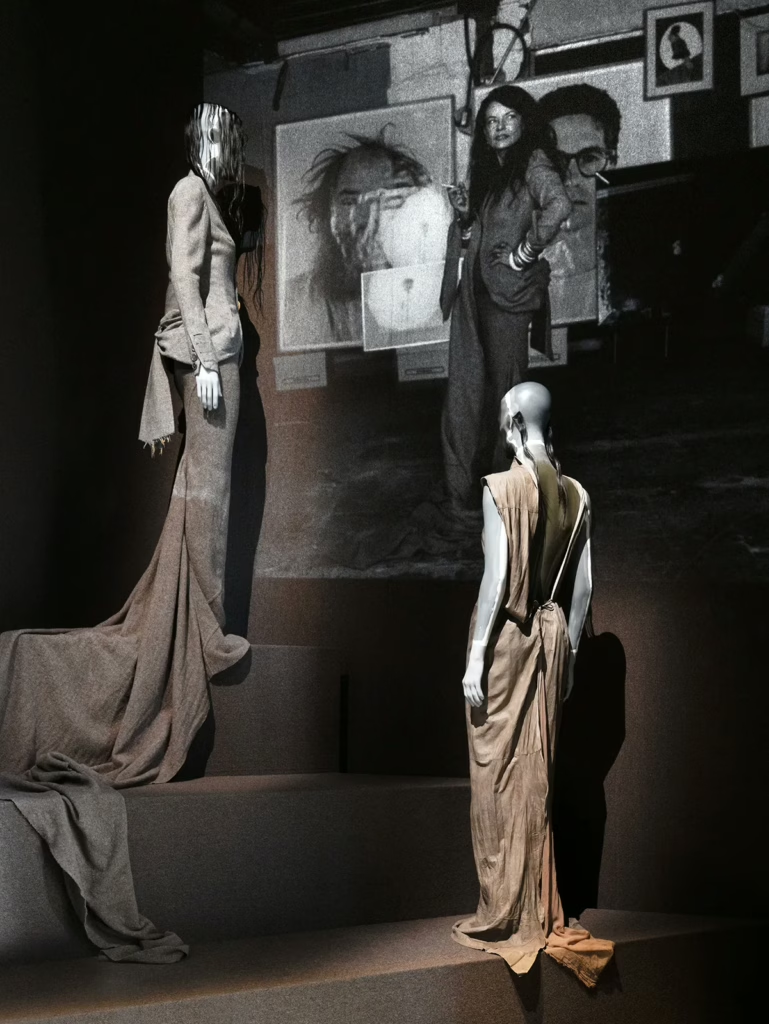
You do not stumble into rebellion at Palais Galliera. You file in like a guest at a wake. The priest is alive but he is standing over his own body. Owens once made Paris couture week feel like a crime scene. Now he watches visitors admire his relics from behind velvet ropes. What was chaos is now climate control. What was ritual is now retail. Guided audio tours. Heavy-stock exhibition books.
Rick Owens was once a heretic with a sewing machine. The early L.A. years were leather-trash gospel. The collections smelled like sweat and cigarettes. They looked like they had been dragged down an alley and blessed in blood. Paris did not know what to do with him. He was an industrial accident in a room full of crystal. The runway was a pagan sacrifice. The bass rattled plastic cups of cheap wine backstage. The clothes were beautiful the way a funeral pyre is beautiful. It was the burn you remembered.
Now the burn is laminated. Galliera has not just collected Owens. They have domesticated him. The brutalist furniture sits in the garden like docile monuments. Sculptures that once felt like they could crush you are now framed by polite landscaping. Inside, the mannequins hold their poses under perfect white light. You could eat your lunch off the glass between you and their faces.
“I will be doing transgression till the day I die.” — Rick Owens
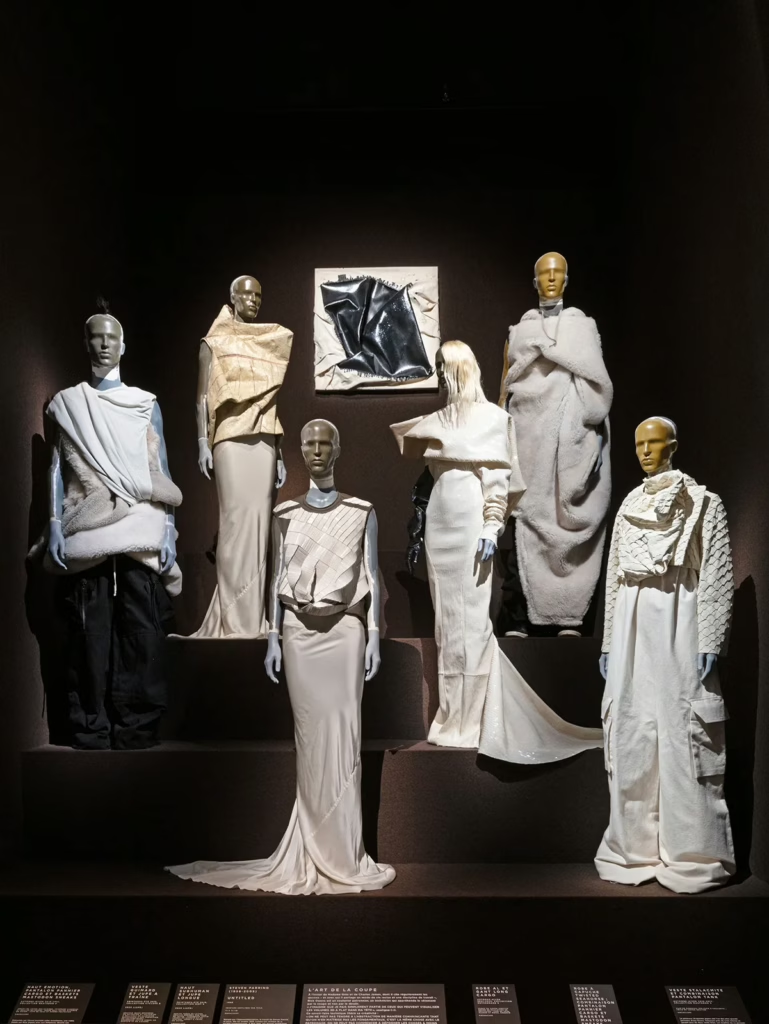
Pause. This is not transgression. This is heritage branding. It is fashion’s favorite embalming ritual. The industry finds its most dangerous animal. It kills it. Skins it. Mounts it for permanent display. They did it to punk. Spiked leather and safety pins turned into mall-rack accessories. They did it to grunge. Flannel and ripped jeans sold at Urban Outfitters. They did it to streetwear. Supreme logos auctioned like art investments. And now they are doing it to gothic couture right in front of us.
The sensory shock hits again when you realize how still it is. The silence is not reverent. It is suffocating. No hum of backstage chaos. No bodies brushing past with half-pinned garments. No cigarette smoke curling from the alley door. Only the soft shuffle of museum shoes on polished wood. This is not a living room. It is a viewing room. And the body on display is the work.
The industry no longer fears Rick Owens. It collects him. It curates him. He is not the virus anymore. He is the museum’s crown jewel. And the worst part is that he is not fighting it. He is building the glass case.
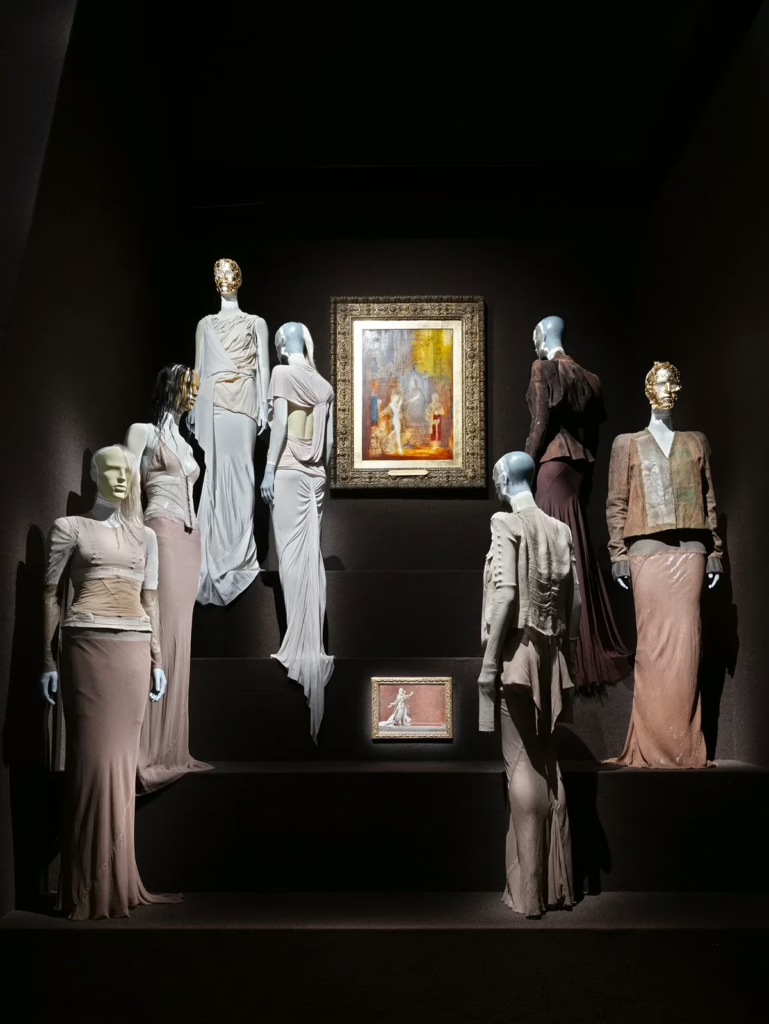
The exhibition title Temple of Love is not a new spell. It is nostalgia cosplay. Pulled from The Sisters of Mercy. A band whose gothic ache defined outsider devotion. Here it becomes safe branding. A hashtag for the Galliera social team. The dark romance is pressed into brochure-friendly language. The temple is no longer a place for blood rituals. It is a venue for sponsor dinners.
Across the street at Palais de Tokyo his Spring Summer 2026 runway tried to remind us of chaos. A scaffold temple in a drained pool. Models descending like cult disciples. Platform boots pounding concrete. It had the visuals but it was déjà vu. The same gospel of doom he has been delivering for two decades. You could mouth along with the sermon.
Owens is not stumbling into this phase. He is orchestrating it. He is the taxidermist of his own myth. Arranging the body. Perfecting the drape. Even the OnlyFans stunt reads like a staged act of controlled transgression. Selling foot-fetish videos to fund a trans shelter in Versailles. Noble in intention. Perfect as brand PR. The “cheerfully depraved” king of haute goth still playing at the edges. Never truly threatening the system that now houses him.
“I did not want anybody interpreting me.” — Rick Owens
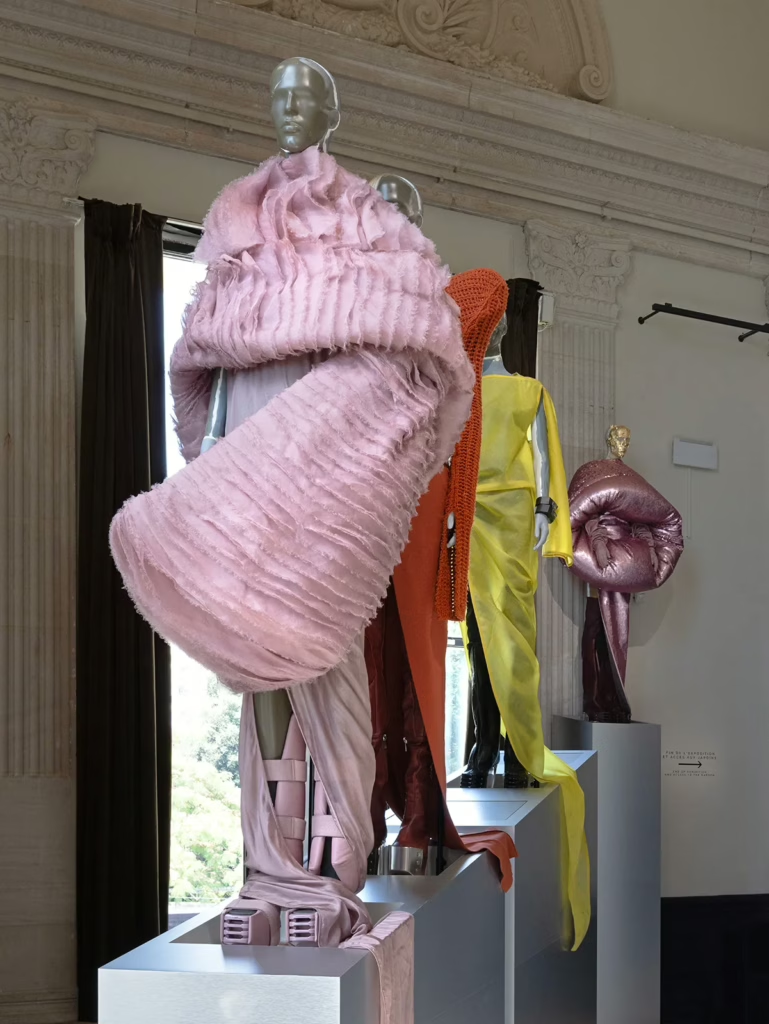
Too late. The museums have already done it. They have translated the language into something the brunch crowd can swallow. The Paris fashion elite can now take their children to see “the rebel” without catching the fever. The fever has been cured. You can touch the altar without getting burned.
You have felt this before. Punk merch at H&M. Grunge in a bank commercial. Every underground scene eventually becomes a coffee table book. The moment rebellion becomes exhibit it stops breathing. It becomes a backdrop for selfies. A neutralized memory.
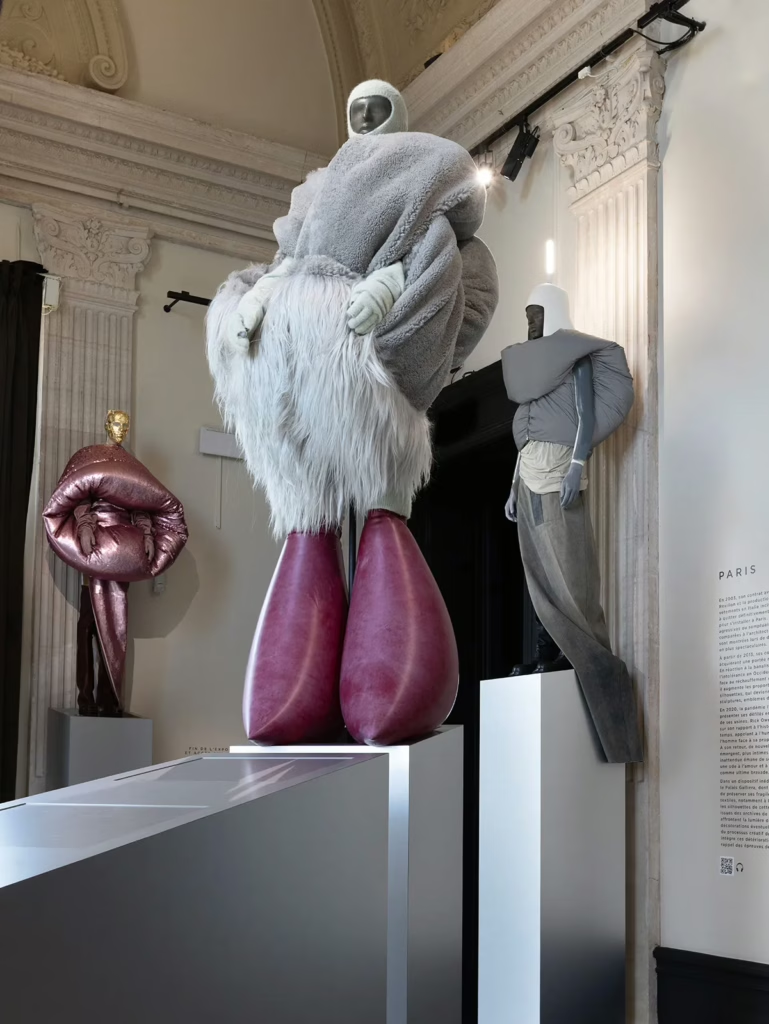
Owens could still burn it down. He could murder the silhouette that made him famous. He could refuse the archive. Deny the retrospective. Walk away from the altar. But that would mean betraying Rick Owens the brand. The brand is now bigger than the man. It is marble. Sequins. Mythology. A fortress that sells tickets.
Pause again. The industry does not just archive rebellion. It turns it into religion. Religion loves a high priest who never leaves his cathedral. Galliera is the cathedral. Owens is the priest. Every room in Temple of Love is a chapel. The audience are pilgrims. We kneel before glass-cased relics. We congratulate ourselves for being in the presence of danger without ever risking anything.
The sensory truth of Temple of Love is not love. It is climate control. The faint hum of air filtration. The scent of polished wood floors and preserved fabrics. The cold glow of LED lights balanced to protect the garments. It is sterile reverence. A place where decay is not allowed even though decay is the only thing that ever made Rick Owens’ work truly alive.
“Shining light on a neglected part of our community.” — Allanah Starr
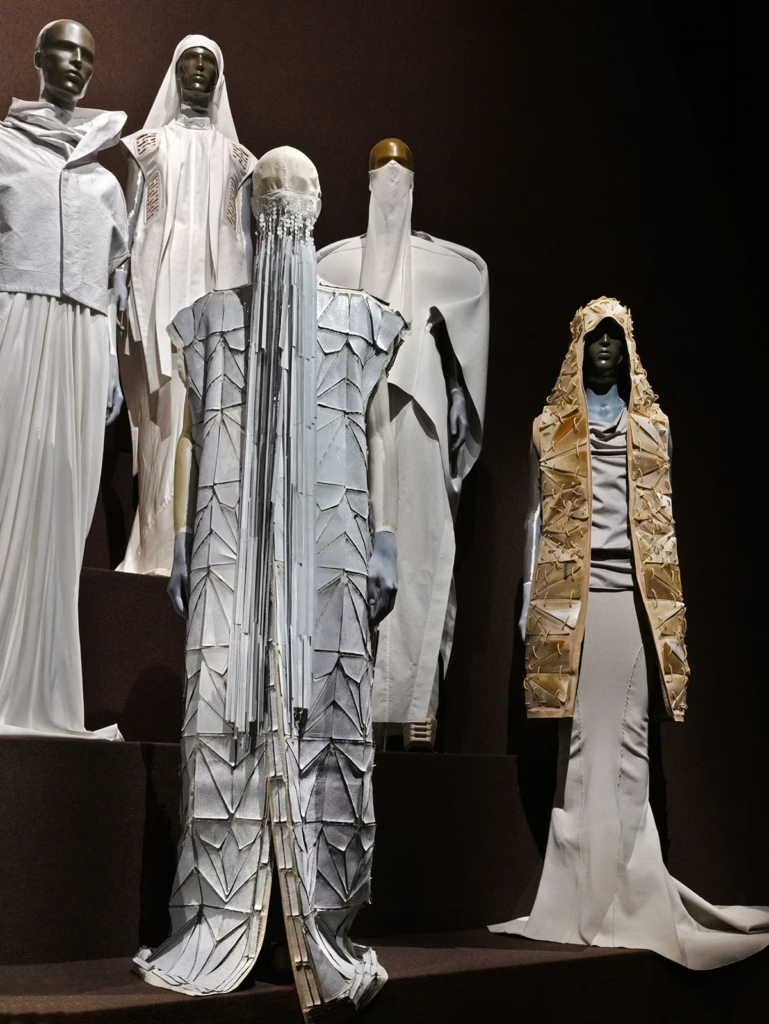
Even the good deeds feel embalmed in this frame. Starr’s praise for Owens’ fundraising is deserved. Inside this context it reads like exhibit text. The rebellion is no longer in the streets. It is printed on a wall placard in polite serif type.
The Temple wants you to believe you are standing inside something alive. It is not a temple. It is a reliquary. A reliquary does not protect the living. It guards what is already dead.
By the time you leave you know the most dangerous thing about Rick Owens in 2025 is not the clothes. It is how safe they feel. The same boots. The same capes. The same industrial romance that once rattled the front row now sits politely in place. Waiting for the next preservation check. The altar still stands. The fire is gone. Replaced with electric light.
The rebel became a relic. The system did not kill him. He did it himself. He embalmed the danger. Sealed it in glass. Handed us the key. Rebellion does not belong in a case. It belongs in the air. In the sweat. In the sudden gasp of something you did not see coming.
If Rick Owens does not burn his own temple down history will do it for him. And it will not be beautiful.