
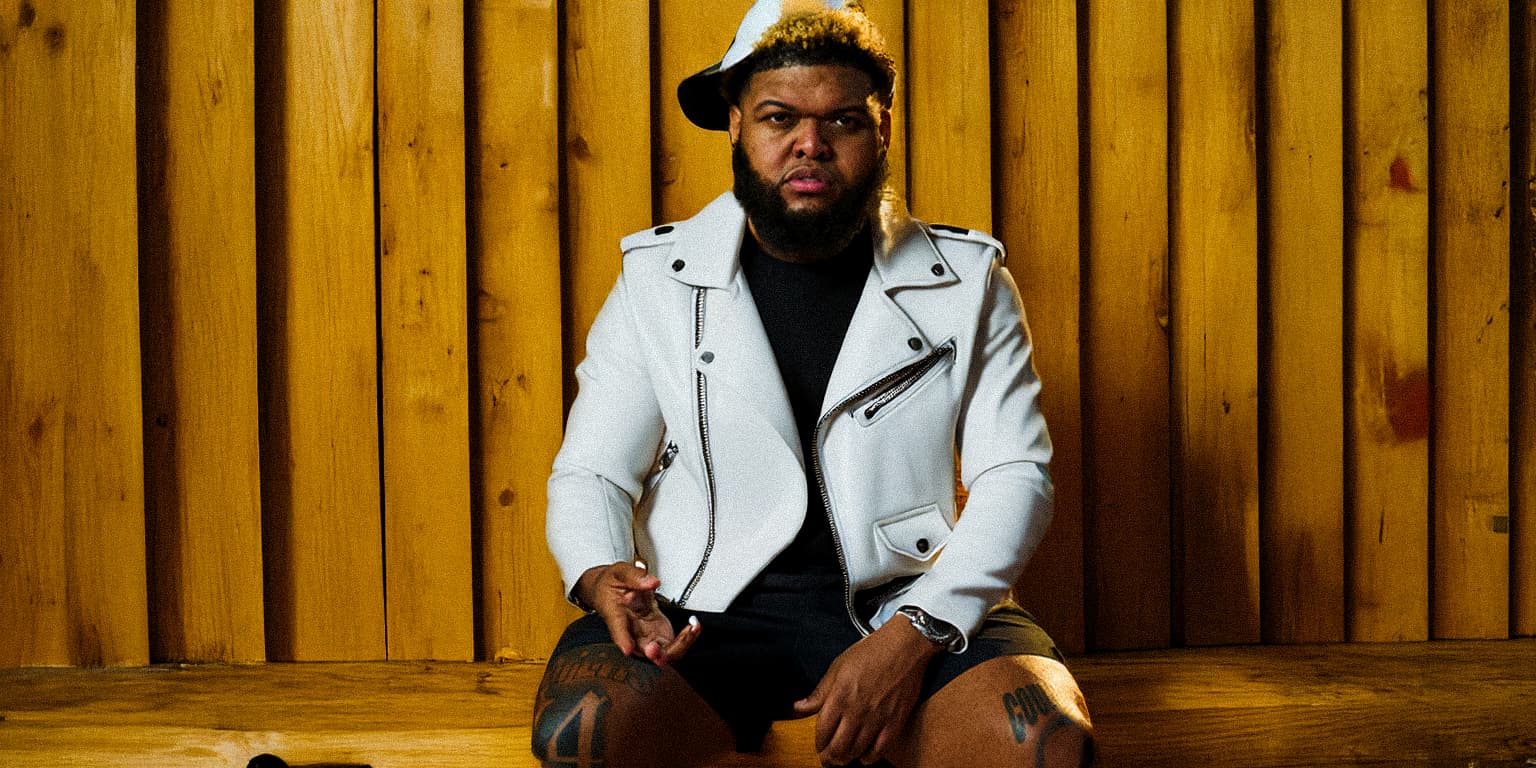
The label isn’t dead. It’s laughing at you in arenas. Druski Coulda Fest turned a parody into infrastructure. A fake record deal into a real Druski tour 2025 that fills NBA stadiums. The joke was supposed to be on the industry, but the crowd paid to be the punchline. This isn’t comedy. It’s Coulda Been Records weaponized. It’s the blueprint for how memes became the new machine.
The contract is clout. Nothing else pays faster.
The room stank of smoke and ring lights. Rappers screaming into iPhone mics. Comments spamming clown emojis while Druski laughed them out the room. That was the “deal.” No studio. No contract. Just humiliation on IG Live. Coulda Been Records was born out of ridicule, a mirror of how labels pimp desperation. But mirrors drag you in. What started as a clown show mutated into a content empire.
Now the mirror has walls. Cameras. Sponsors. The prize is $50,000 and bragging rights in a fake label. Coulda Been House runs like reality TV. Contestants fight for screen time and online crumbs. On YouTube, episodes pass 20 million views. The satire became scalable. Auditions aren’t jokes anymore. They’re episodes. They’re tickets. They’re an economy.
Then came Druski Coulda Fest. State Farm Arena in Atlanta sold out in 2024. By 2025, Ticketmaster lists him at Barclays, Chase, United Center. These are NBA buildings. Comedy never scaled that fast. Music didn’t either. But ridicule did. The contract isn’t about songs. It’s about clout. That’s the only currency that cashes instantly.
Druski didn’t chase a record deal. He built a record deal simulator and sold tickets to it.
The industry didn’t collapse. It got rebranded as comedy.
Sweat-drenched kids spit bars for clout. They think they’re auditioning for salvation. They’re auditioning for content. Coulda Been Records takes their hunger and flips it into punchlines. But when Birdman pulled up on Instagram Live, it wasn’t a skit. It was real power pressing parody. Cash Money saw itself in the reflection and didn’t laugh.
Coulda Been House promises $50,000 and a “record deal.” It feels generous. It’s theater. The prize looks shiny, but the paper is still inked with the same exploitation. The only difference is the contract is filmed for views instead of buried in a lawyer’s office. Fans clap at the spectacle. But the humiliation is monetized twice. Once by the audience. Once by the sponsor.
The truth is simple. This isn’t rebellion. It’s rehearsal. Druski isn’t burning the industry. He’s cloning it in a way the crowd can stomach. The predators wore suits. Now they wear punchlines. The same hustle. Cleaner optics. Bigger laughs.
Coulda Been Records mocks the trap while running the same trap.
The meme went corporate and the brands lined up.
Scroll one minute and you’re in a Coulda Been Records audition. Scroll the next and there’s Druski selling Google Pixel with the NBA. Bud Light Seltzer ads run his jokes nationwide. KFC paired him with Jack Harlow. Nike used him to push sneakers. The same clown roasting labels is now the mascot of corporate America.
This isn’t betrayal. It’s strategy. Brands didn’t buy Druski for comedy. They bought him because he’s viral gravity. He turns ridicule into reach, clout into campaigns. People laugh at the ad and share it like it’s content. Nobody feels sold. But they are. That’s the trick. Comedy isn’t safe. Commerce made it safe.
The system never feared him. It hired him. Because Druski did what no agency could. He found a way to make the hustle entertaining enough to be invisible. The same machine that steals from artists now sells sneakers through skits.
Comedy didn’t break into music. Commerce did.
From viral clip to NBA arena. That’s not luck. That’s architecture.
September 2024. Atlanta. Druski Coulda Fest sold out State Farm Arena. By 2025, the “fake label” is touring through Barclays Center, Chase Center, Capital One, United Center. This isn’t stand-up. This isn’t rap. This is a circus built out of memes. The Druski tour 2025 is the first comedy act to play like a label without music.
Every stop is content. Auditions in each city feed YouTube. YouTube clips fuel ticket sales. Ticket sales fuel bigger clips. It’s an algorithm turned physical. The loop never breaks. Fans think they’re watching chaos. They’re watching a machine refine itself.
The industry spent decades and billions trying to scale artists to arenas. Druski did it with jokes and humiliation clips. He cracked the algorithm and dragged it into real life. This isn’t virality. It’s infrastructure.
He didn’t go viral. He built a stage and made virality pay rent.
The crowd laughs at the joke. The machine laughs at the crowd.
The arena smells like beer and fried food. Fans scream at strangers rapping off-key. Contestants sweat through bad verses. Everyone laughs like they’re in on the scam. They’re not. They’re the product. Druski Coulda Fest proves the satire doesn’t dismantle the label. It updates it.
The contestants think they’re competing for a record deal. The fans think they’re rebelling against the music industry. The brands think they’re reaching Gen Z. Everyone thinks they’re winning. But the only thing that wins is the machine. The same hustle that ate artists alive now sells itself as comedy. And the crowd pays to clap along.
Druski didn’t just prove the label isn’t dead. He proved it’s immortal. He proved you can laugh at the scam while buying it twice.
We thought the label was dying. Druski proved it just changed costumes.