
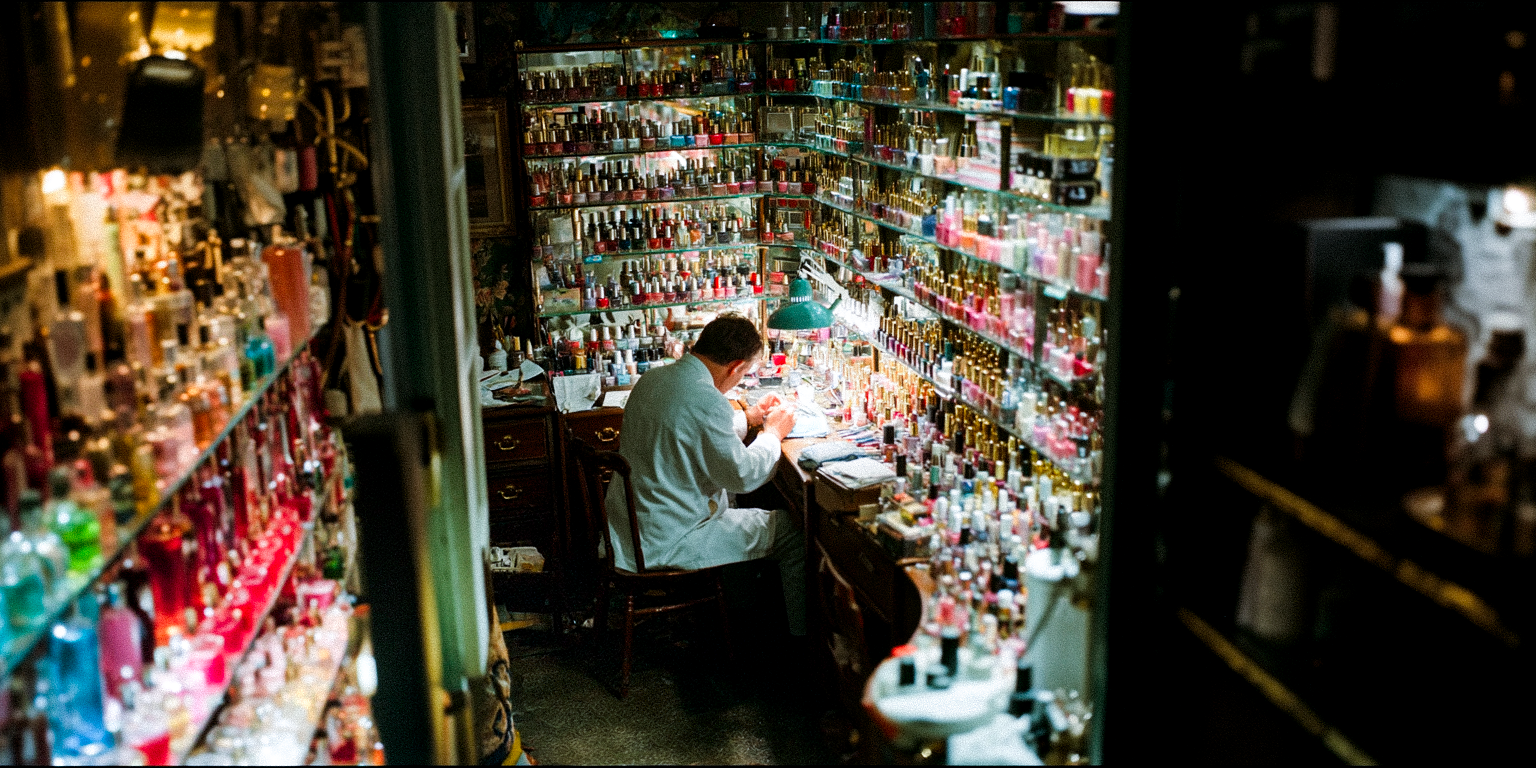
Gel nails didn’t get banned. A chemical did. Europe slammed the door on TPO because its own system sees hazard as enough. America kept the shelves stocked, because here the engine runs on denial until the lawsuits stack. The cost isn’t just brittle nails or UV burns. It’s salon workers breathing poison while regulators shrug. That’s the split. Europe bans on a warning. America waits for a funeral.
Europe banned the trigger, America kept selling the gun.
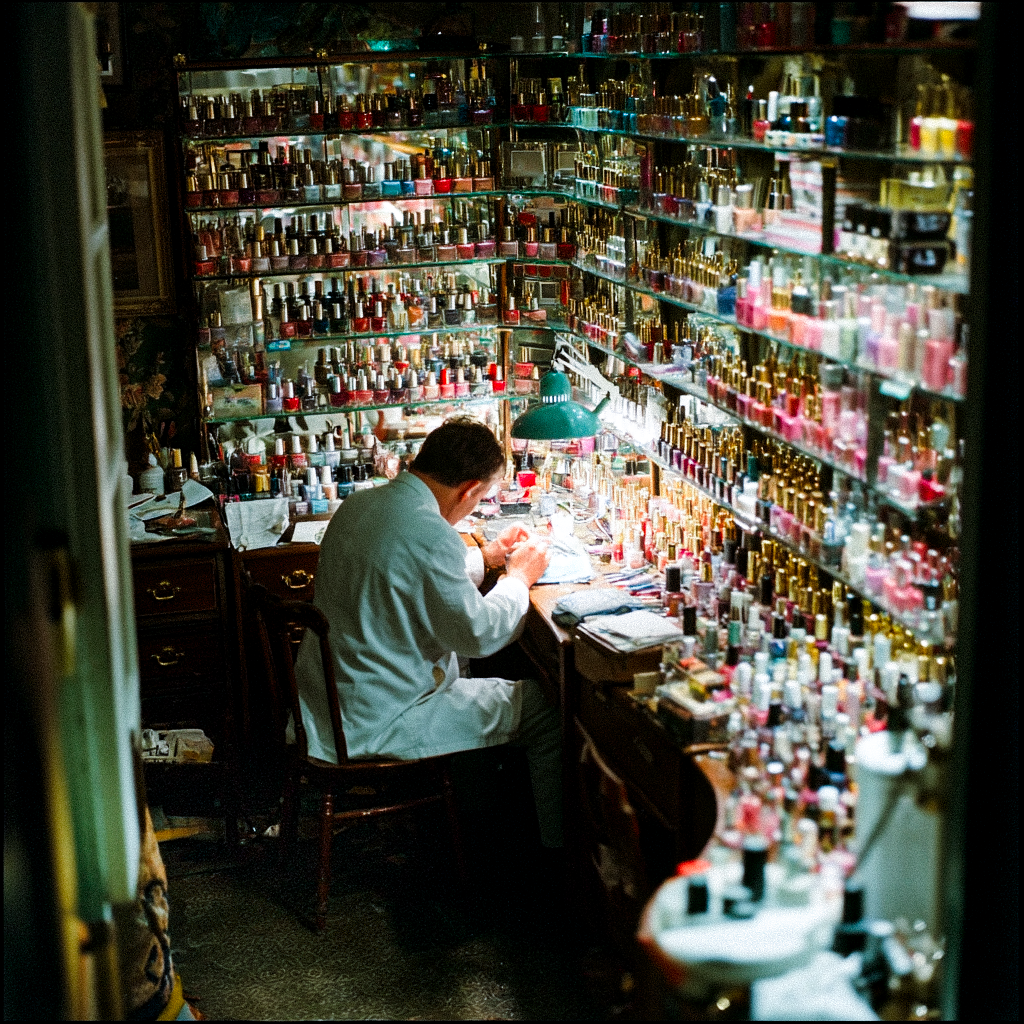
Walk into a salon in Paris this fall and TPO is gone. Walk into a salon in New York and the bottles look the same as last week. That’s the gel nail ban in action. Not a myth. Not a scare. A photoinitiator named TPO classified as a reproductive toxicant. Europe cut it clean from the market under the EU cosmetics ban. No debate. No delay.
The way it works is brutal in its clarity. Hazard is enough. Under EU law, when a chemical gets branded CMR 1B, it’s automatically banned in cosmetics. September 1, 2025, was the kill date. Salons, brands, retailers. All forced to purge. It doesn’t matter how profitable. The moment science raises the red flag, law drops the hammer.
In America, the FDA pretends safety is optional. There’s no premarket approval for cosmetics. TPO still slides through customs, past regulators, and straight into consumer nails. The agencies move only when damage piles up, when lawsuits bite, or when headlines force their hand. FDA MoCRA gave them new powers but didn’t give them Europe’s trigger. The difference is simple. One system bans smoke before fire. The other waits for ash.
In Europe, hazard alone is enough. In America, harm has to be proven in blood.
The FDA doesn’t regulate nails. It regulates damage control.
The bottles lined up on your vanity don’t need FDA approval. That’s the dirty secret nobody likes to spell out. The only cosmetic ingredients that get pre-approval are color additives. Everything else is a free-for-all until something goes wrong. That’s why the gel nail ban never crossed the Atlantic. There is no mechanism. There is no automatic kill switch like the EU cosmetics ban.
MoCRA was supposed to fix this circus. Congress paraded it as reform. Facility registrations. Adverse event reports. Mandatory recalls. But scratch the paint and it’s just new paperwork. FDA MoCRA didn’t build a system to prevent harm. It built a system to record it after the fact. The agency can track the fallout but still won’t block the exposure.
This is what corporate capture looks like. A regulator designed to serve brands, not bodies. OSHA has been warning for years that nail salons are chemical war zones. NIOSH reports ventilation problems and acrylate dust exposure. Still the FDA calls UV lamps “low risk when used properly.” Nobody’s counting the cracked hands or ruined lungs. Because the metric isn’t suffering. The metric is litigation.
America doesn’t test ingredients. It tests people.
Allergy epidemics don’t trend. They blister.
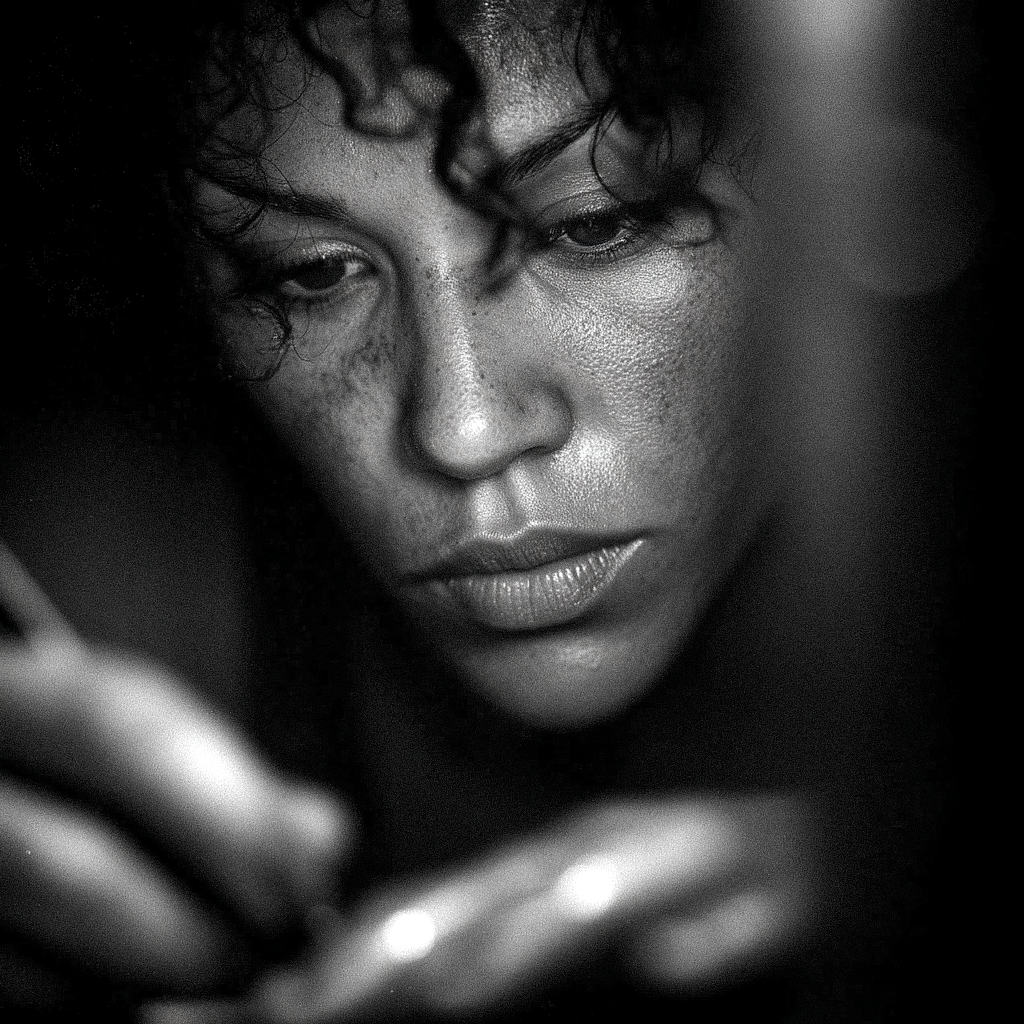
Fingers swollen like sausages. Nails crumbling to pulp. Skin splitting open under polish. That’s what allergic contact dermatitis from acrylates looks like. It’s not a rare case. It’s not user error. Studies show nearly four percent of patients in patch-test groups light up positive for acrylate allergy. Salon workers hit even higher numbers. The gel nail ban didn’t target acrylates directly, but they are the daily poison everyone ignores.
The allergy doesn’t fade. Once sensitized, you’re marked for life. Every new manicure becomes an ambush. Yet America still lets HEMA-based gels flood Amazon and Walmart. Teens order kits with no warnings. No gloves. No ventilation. No training. Scroll TikTok and it’s a horror feed. Bloodied cuticles. Red-raw fingers. DIY disasters brushed off as “cheap products” or “bad technique.” The truth? It’s chemical warfare dressed as self-care.
Europe at least admitted the problem. In 2020, regulators locked HEMA products behind professional use only. Labels now scream warnings in EU salons. That’s not happening here. The FDA let it slide. Because without deaths in ERs, there’s no urgency. That’s how America runs. Injury gets privatized. Corporations keep cashing in. Workers keep getting scarred.
Your nails aren’t the canvas. They’re the battlefield.
UV lamps. Cancer scare or chemical cover story?
The glow looks dangerous. Blue light humming like a tanning bed for your fingertips. That’s why UV lamps dominate the panic around gel manicures. UC San Diego scientists showed the lamps cause DNA mutations in vitro. FDA shrugged and labeled them “low risk when used properly.” The cancer scare trends. It’s clickable. It’s shareable. It’s also a distraction from the real poison.
The truth is in the bottle. TPO. Acrylates. Solvents. Invisible chemicals that don’t glow, don’t hum, don’t give you an immediate sunburn. They seep into the skin. They sit in the lungs of every worker filing acrylic dust. The light is spectacle. The chemical is the attack. By fixating on lamps, regulators let the formulas slide under the radar. Consumers panic over cancer while the industry profits from allergy and toxicity.
That’s how diversion works. Point to the glowing box. Call it the threat. Ignore the daily grind of acrylates wrecking hands and lungs. A lamp can be tested. A lamp can be regulated. A chemical ban cuts profit, so it’s buried in silence. The EU called it out with the gel nail ban. America plays theater instead.
The lamp is the decoy. The real burn is in the bottle.
Regulation isn’t neutral. It picks a side, every time.

A chemical doesn’t care about borders. But regulation does. The gel nail ban in Europe is a case study in how law can shield people. The refusal to ban in America is a case study in how law shields profit. That’s the entire split. One system bans early. The other stalls until forced.
The FDA MoCRA rollout proves it. The law gave the agency more tools but not the power to preempt hazard. No automatic bans. No protection by default. Just a slower paperwork trail to record what happens after damage. By the time the data is “strong enough” to act, the injuries have already stacked. The EU cosmetics ban cut TPO off at classification. That’s the difference between a precautionary shield and an execution by delay.
The cost is predictable. Consumers absorb the allergy risks. Workers breathe the dust and solvents every day. Brands collect profit until lawsuits bite. The math is systemic, not accidental. Every silence is a policy choice. Every scar is an acceptable cost of doing business.
In Europe, law shields people. In America, law shields profit.