
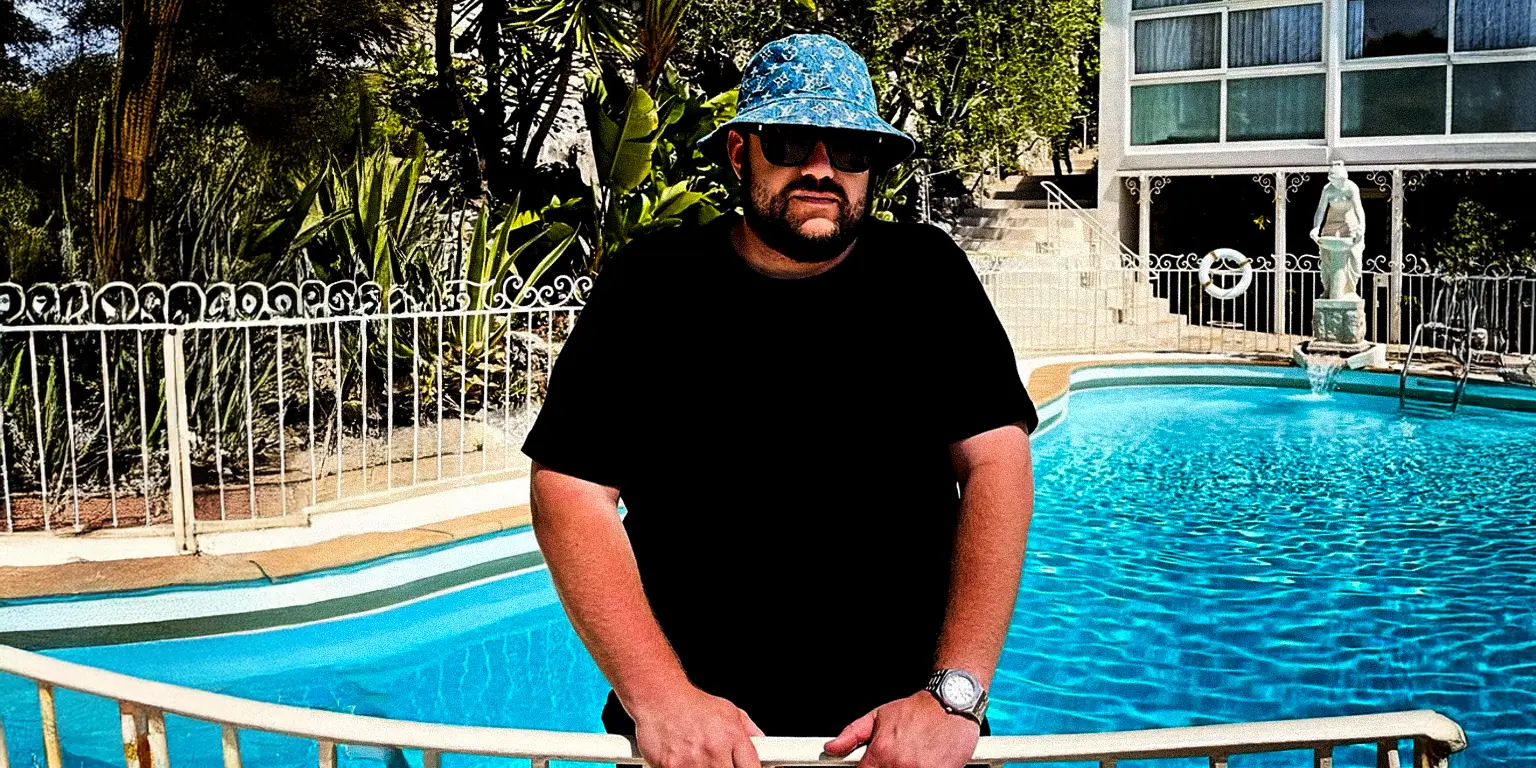
Everyone’s chasing attention. David Thornell built memory. While the algorithm feeds us another dopamine show, he frames what we forgot. He doesn’t sell nostalgia. He codes it into icons. But in a culture built to erase, immortalizing anything is a revolt. That’s what makes his work dangerous. It reminds people they mattered.
Everyone is nostalgic. Few know what for.
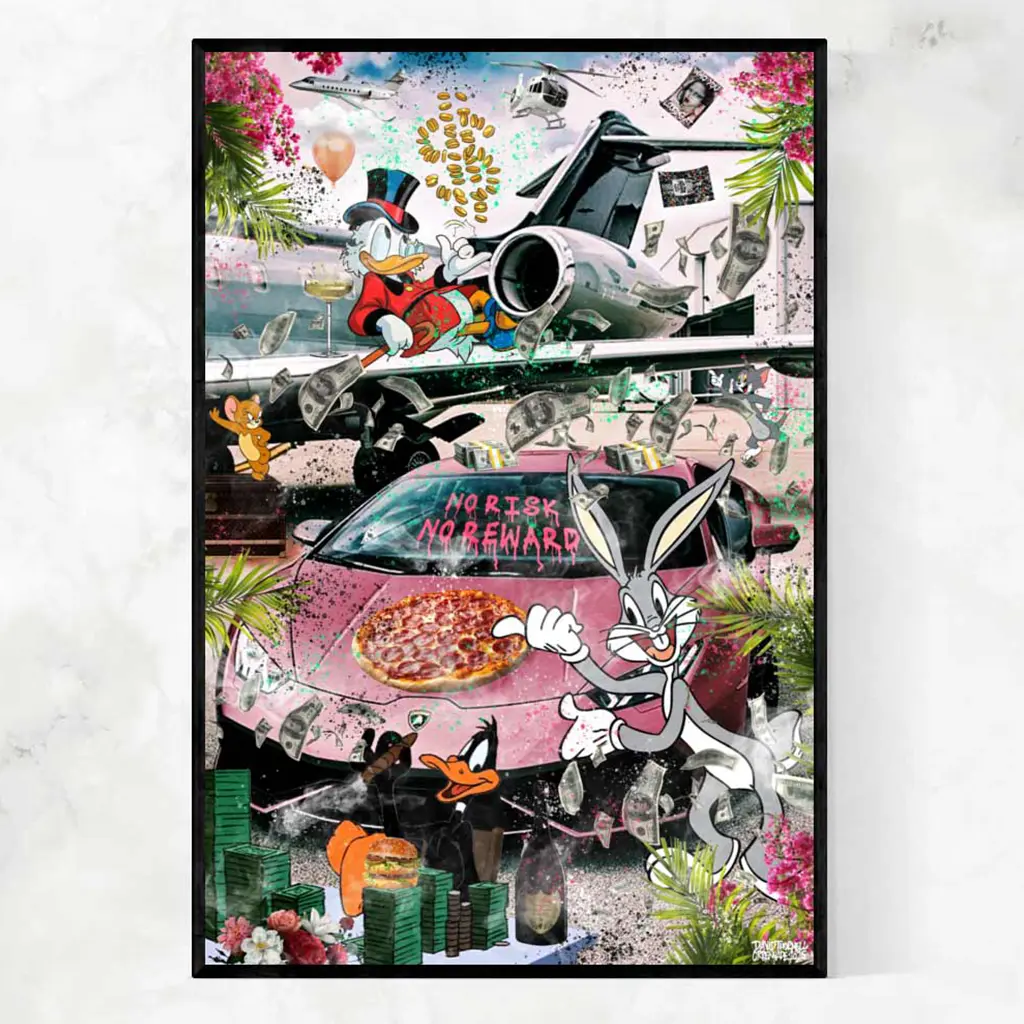
His maps don’t scream. They whisper. You’re halfway through a room when your breath catches. The shape of that word. The curve of that line. Something about the way he arranges city names makes your stomach tense. It’s not just typography. It’s time travel. The kind that hurts.
David Thornell isn’t a designer chasing likes. He’s an archivist with blood on the lens. Every letter in his work carries place, but also loss. Nostalgia culture isn’t a soft FOMO cycle. It’s grief in disguise. That’s what makes Thornell’s visual identity lethal. He doesn’t decorate walls. He rips people open.
What looks like clean design is really forensic. Each word a remnant. Each city a scar. People don’t buy his art because it matches their couch. They buy it because it matches a version of themselves they thought was dead. That’s what nostalgia culture does when it’s wielded right. It doesn’t make you miss the past. It makes you confront it.
People don’t buy his art to remember places. They buy it to remember who they were.
Nostalgia isn’t soft. It’s a survival mechanism.
It hits fast. The rush. Like smelling your grandmother’s perfume in a stranger’s hallway. Thornell’s work hijacks you like that. Not with drama. With familiarity. And your body doesn’t wait for permission. Your chest tightens. Your eyes blur. You remember shit you didn’t choose to forget.
This isn’t design. It’s neurochemistry. Nostalgia triggers dopamine and oxytocin like you’re falling in love with a memory. According to research published in Frontiers in Psychology, nostalgia improves psychological resilience by reconnecting you with meaningful experiences. David Thornell isn’t just selling posters. He’s handing people their anchors back.
In a digital world that erases everything the second it scrolls off screen, his work stops time. It says: this mattered. You mattered. And it hurts because you believed it didn’t. That’s why his visual identity cuts so deep. Because it isn’t crafted for approval. It’s carved from truth.
Nostalgia isn’t a vibe. It’s a scar with good lighting.
Everyone’s designing for clout. David Thornell designed for memory.
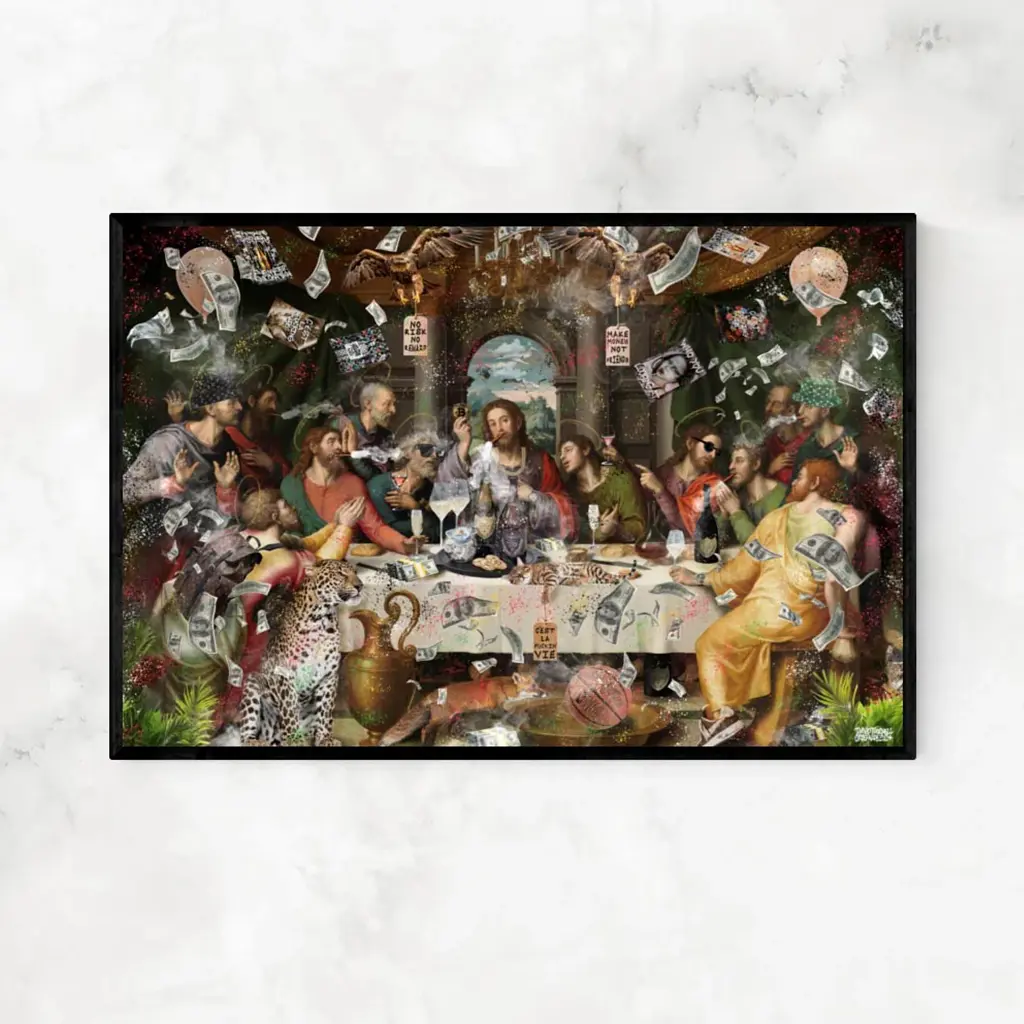
Most people build for now. David Thornell builds for after. After the scroll. After the hype. After the dopamine wears off. While TikTok shits out the same copy-paste vibes dressed as trends, Thornell’s visual identity refuses to perform. It doesn’t chase. It stands still. And dares you to stop.
Design today is clout choreography. A mood board of meme culture stitched together with Helvetica and desperation. Thornell said no to that shit. He stripped it back. Built work that breathes. Work that echoes. Because memory doesn’t need a drop shadow. It needs room.
Nostalgia culture isn’t new. What’s rare is someone who treats it like scripture instead of strategy. Every line he draws is restraint. Every city he prints is a trigger. While others inflate their work with fake-built meaning, Thornell removes everything until only memory remains. That’s not minimalism. That’s war against the FOMO cycle.
His art doesn’t trend because it outlives trends.
Art doesn’t become iconic. It gets remembered.
You don’t remember most things you see online. But you remember Thornell. Not because he yells. Because he lingers. His “table made of text” isn’t just a design gimmick. It’s a ritual. People stare at it like they’re looking at their own funeral photo. Clean. Cold. Familiar.
That’s what makes his nostalgia culture lethal. It doesn’t try to manipulate you with plastic real or Ikea-core emotion. It burrows under. It lives in your wall. It leaks into your memory. And when people walk past it, they stop. Every time. Because they know those words. That place. That pain.
He didn’t ask permission from the art world. He didn’t need to. His work moves through people like a ghost. It isn’t talked about. It’s felt. And that’s the only kind of art that matters. The kind that doesn’t give a fuck about fame. It just waits. And it wins.
Going viral is a moment. Being remembered is a revolution.
Nostalgia is memory with teeth. David Thornell gave it fangs.
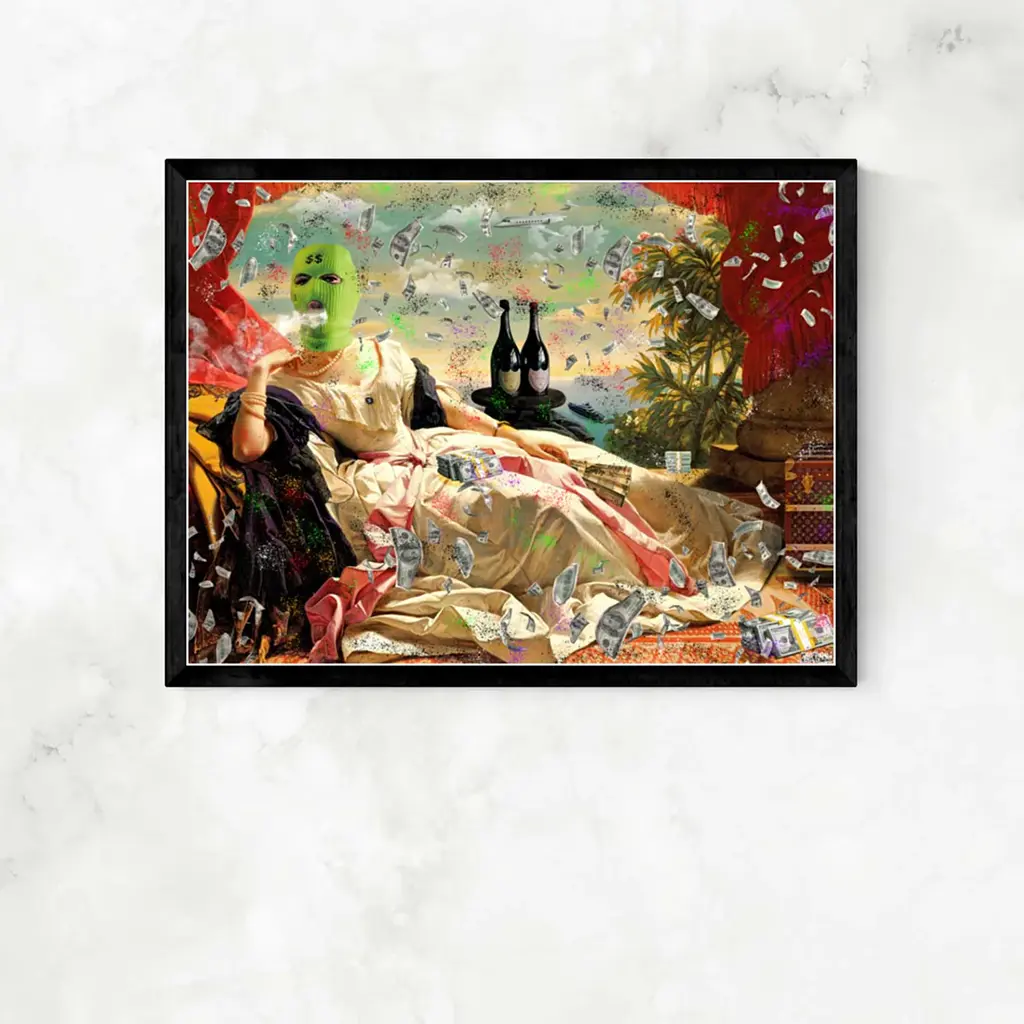
His work is clean. But the feeling isn’t. Behind every polished poster is a wound. A regret. A version of yourself that thought you’d be further by now. David Thornell doesn’t just capture cities. He captures the silence between who you were and who you’re still trying to become.
While the world kept repackaging trauma into dopamine content, he built monuments. Small. Honest. Brutal. You hang them in your home because you need to. Because something in you still needs to be seen. And Thornell’s art doesn’t ask you to heal. It asks you to remember. Then keeps you there.
This isn’t about brand-building. It’s about blood. And that’s why it hits harder than anything else in the feed. Because Thornell isn’t chasing you. He already found you. He’s just waiting for you to admit it.
Most people forget their past. He built his career off it.
His official site is the only place you’ll find the original prints. They’re not just for sale. They’re for reckoning.
Explore his work at DavidThornell.com