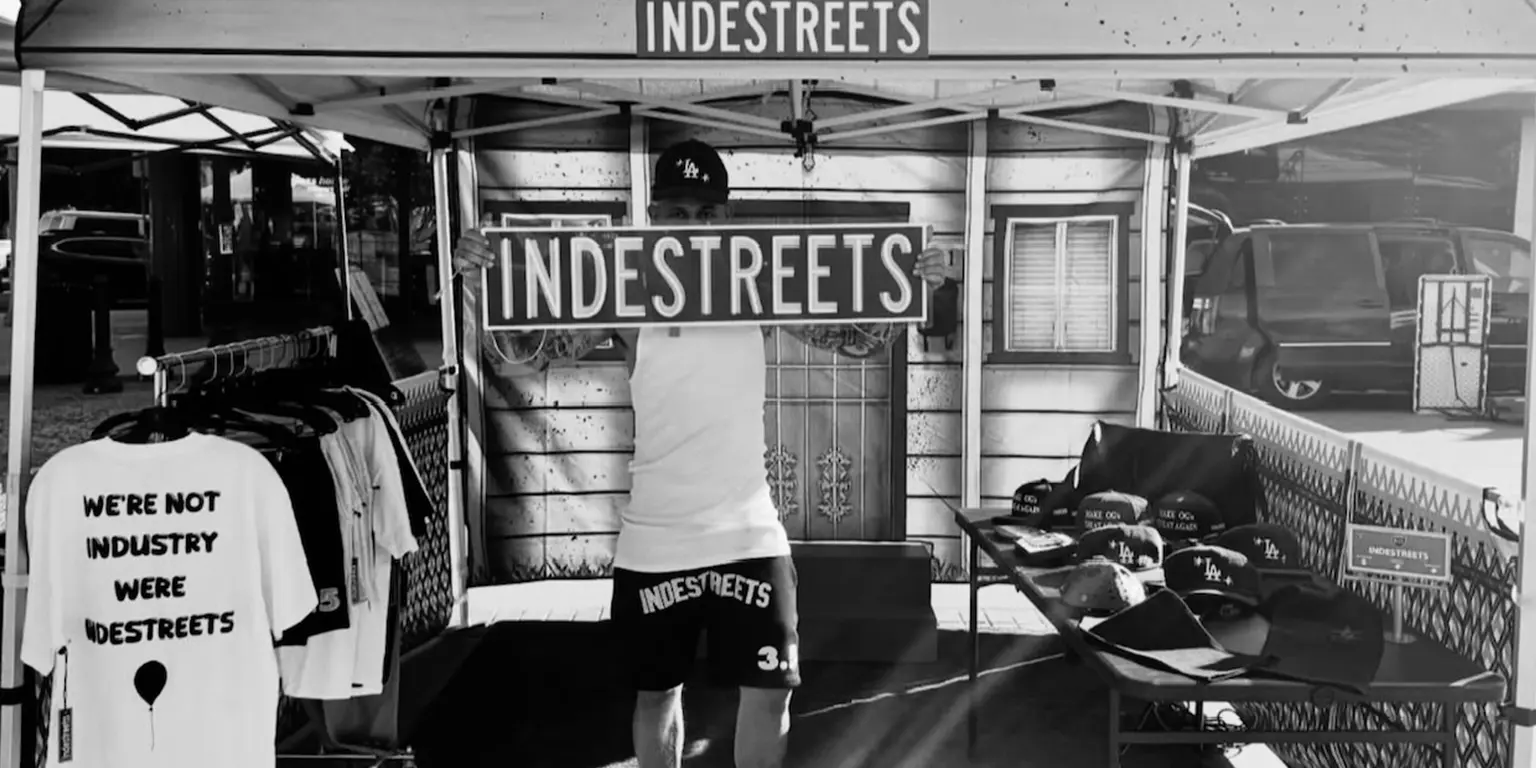
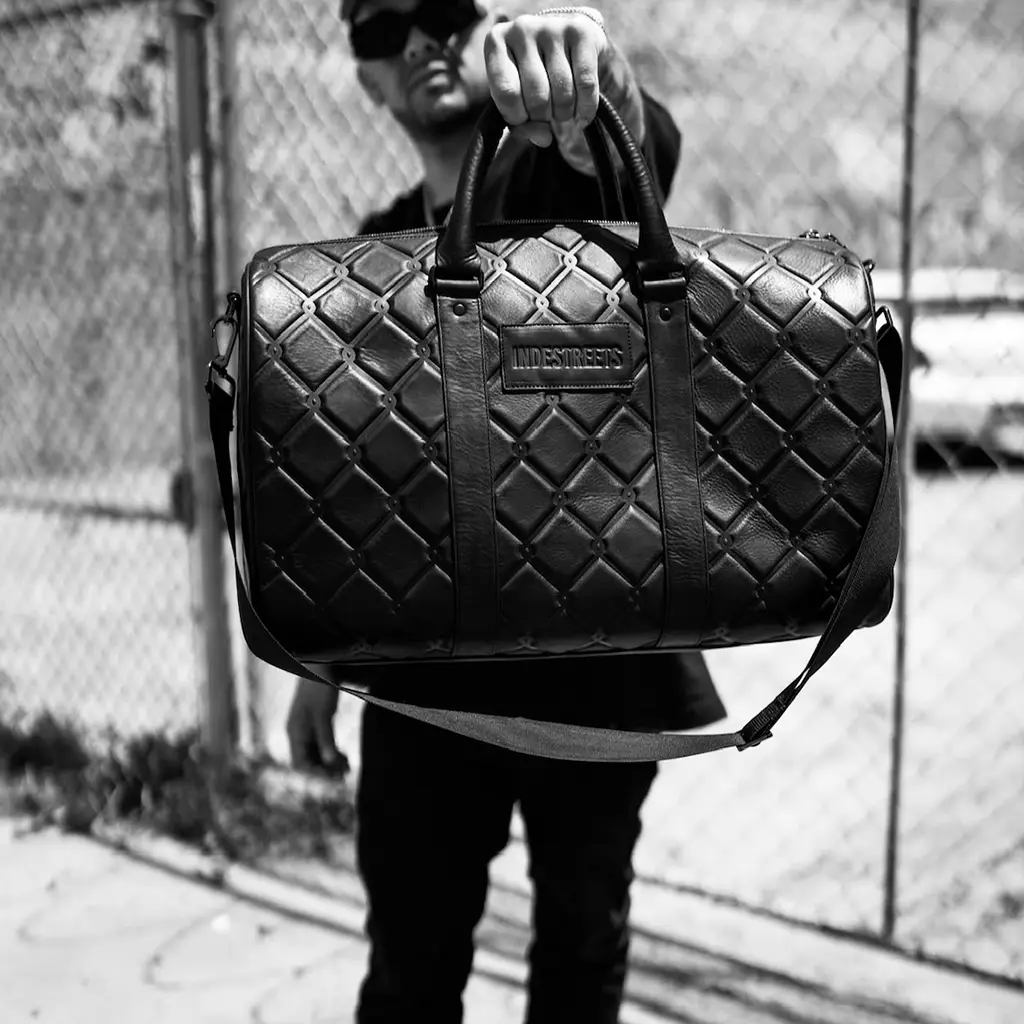
INDESTREETS on Branding. Originality Is Always a Remix
Branding isn’t about originality. It’s about survival. Every brand claims uniqueness while copy-pasting the same silhouettes, the same slogans, the same drip recycled from yesterday’s hype. The engine is manipulation, not inspiration. The cost is identity rot. Creatives drowning in their own sauce while pretending it’s juice. INDESTREETS knows because he’s been both the architect and the accomplice.
Originality is just theft with better timing
“Most brands I’ve worked with love to claim being innovative, original and unique. The reality is they have a brand or style they want to be like.” That’s INDESTREETS cutting straight through the lie. He’s watched deck after deck filled with “new” ideas that were really just bootlegs with better lighting. The sound of copy machines echoes louder in this industry than the voice of any genius.
The so-called pursuit of originality is just brands remixing their homework and praying nobody calls them out. INDESTREETS admits timing is the real weapon. Drop jogger pants when the world is fiending for joggers, not when you think you’re Picasso with a sewing machine. His work with Fairplay proved it. They weren’t in boutiques. They weren’t drip gods. But they quietly pulled five million a year selling joggers to regular dudes. Originality didn’t pay that bill. Timing did.
Neuroscience shows brand logos trigger the brain’s reward system, hijacking the same networks tied to value and addiction. Originality isn’t even the point. It’s chemical manipulation disguised as design.
Originality doesn’t sell. Remixing does.
Branding is therapy with a side of manipulation
A burrito at Taco Bell isn’t healing. But in your worst mood it feels like it. INDESTREETS sees branding the same way. “Identifying with a brand’s aesthetic and having an emotional tie to a brand can feel like therapy. The manipulation is that the quality of food isn’t great for you.” That’s the trap. Your favorite brand is your therapist and your dealer.
Every logo carries a smell. A texture. A memory. The hoodie you wore when you kissed her. The sneakers that squeaked in the gym when you still thought you’d make varsity. Brands know this. They hijack the same neural pathways as trauma and therapy. It’s not poetry. It’s science. Emotional branding lights up dopamine like a drug hit, and ads with emotional content perform 31 percent better than rational ones.
So you keep paying for comfort that kills you. You’re not just buying drip. You’re buying therapy sessions disguised as receipts. INDESTREETS doesn’t lie about it. He feeds culture and creativity because that’s what the streets demand. But he knows the cost. Every sale is equal parts healing and harm.
Your favorite brand is your therapist and your dealer.
Bullshitting is chasing juice without the sauce
“Some brands just chase BS fads. They have the juice, but don’t know about the sauce.” INDESTREETS spits this with disgust. Branding has structure. Bullshitting is just sloppy chase. Juice is hype. Sauce is legacy. The difference is survival.
The streets bury bullshitters quick. TikTok-born brands that vanish before their ads finish loading. Merch hustlers slapping stolen album art on blanks. Even billion-dollar scams like Fyre Festival exposed the fraud. Juice fades. Sauce stains.
Real branding demands DNA. It requires a heartbeat. Bullshitting is empty calories. It fills closets with shit nobody remembers. INDESTREETS turned down clients who lived in that hustle. Bootleg artist merch didn’t deserve his fingerprints. He’d rather walk away than stain his own sauce with someone else’s juice.
The problem is systemic. Investors want fast flips. Founders want viral instead of vital. So they pour money into juice brands that evaporate in sunlight. Meanwhile the ones with sauce keep serving. You can’t fake flavor.
Juice fades. Sauce stains.
Vulnerability sells better than cool
“Growing up if you tried to stand out people would call you out. ‘Look at me head ass.’ Now you have to put yourself out there.” INDESTREETS hated modeling his own clothes. It felt sus. But models cost money. And he learned the streets wanted vulnerability. Cool was capped. Vulnerable was profitable.
That’s the cruel shift of branding. Visibility became survival. You don’t just sell joggers. You sell yourself wearing them. The squad doesn’t buy the fit. They buy the fact you look breakable in it. It’s capitalism demanding confession. And confession always sells.
But here’s the catch. Vulnerability stops being real the second it’s performed. It’s manipulation wearing your own face. INDESTREETS admits he hated it. Hated standing in front of the camera. But he did it because relevance is bloodsport now. Invisible is dead.
This isn’t empowerment. It’s exposure as currency. It’s the brand eating its creator.
Cool is fake. Vulnerable is marketable.
If branding disappeared, would anything be left
Strip away branding. Kill the logos. Delete the feeds. INDESTREETS says what’s left for him is ceviche. “My Ceviche business. I find joy in making and serving ceviche. I honestly feel good about starting over.” It’s the rawest confession in the whole interview.
He built empires on culture. He sold manipulation dressed as identity. But his soul feels cleaner making food than designing drip. That contradiction is the truth branding doesn’t want you to hear. Sometimes meaning comes when the hype dies.
He admits he often believes in other people’s projects more than his own. That’s not weakness. That’s honesty. And honesty doesn’t sell in this industry. But it matters here.
If branding disappeared tomorrow, INDESTREETS would still be feeding people. That’s survival without the scam. That’s what’s left when originality, manipulation, and branding all rot away.
Take away the brand and you see the soul.
Scroll his Instagram and you see it — not drip, not flex, just a dude forced to sell his own face because vulnerability is the new currency.