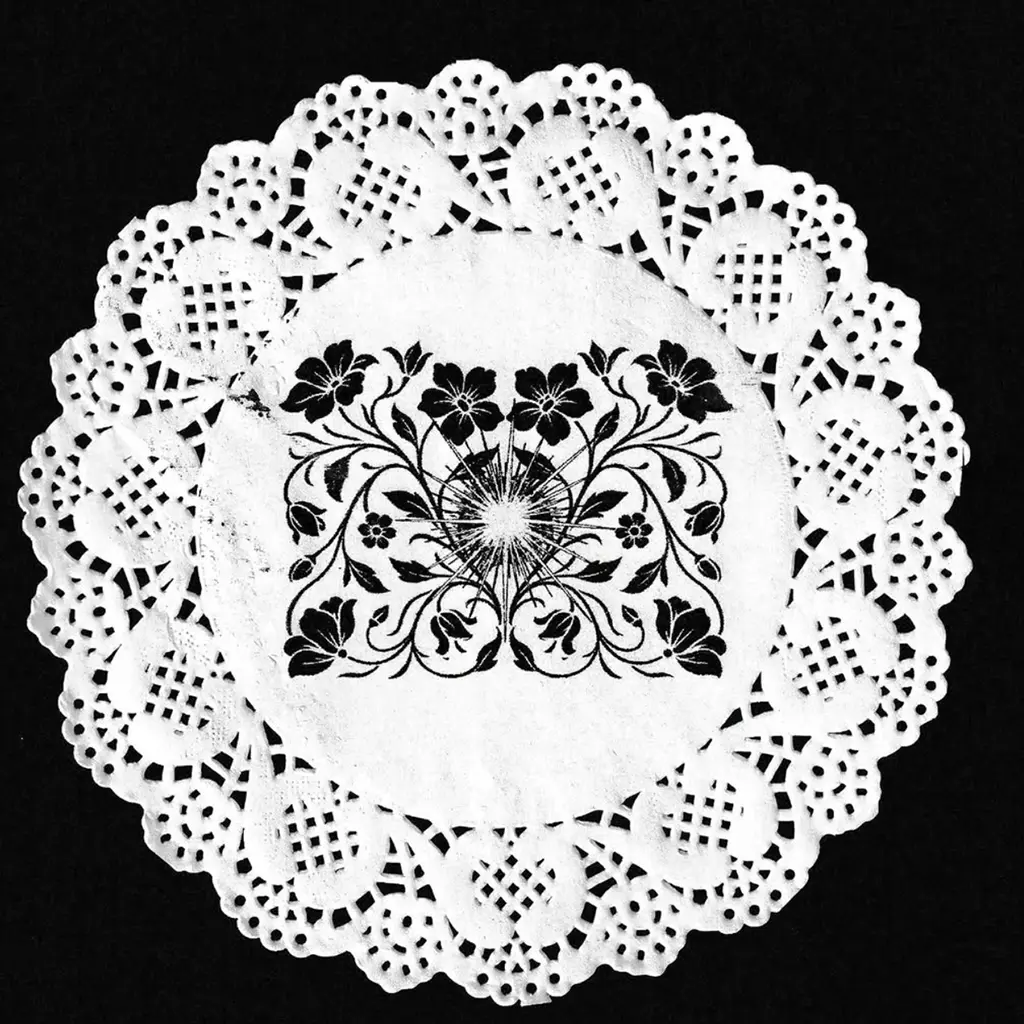
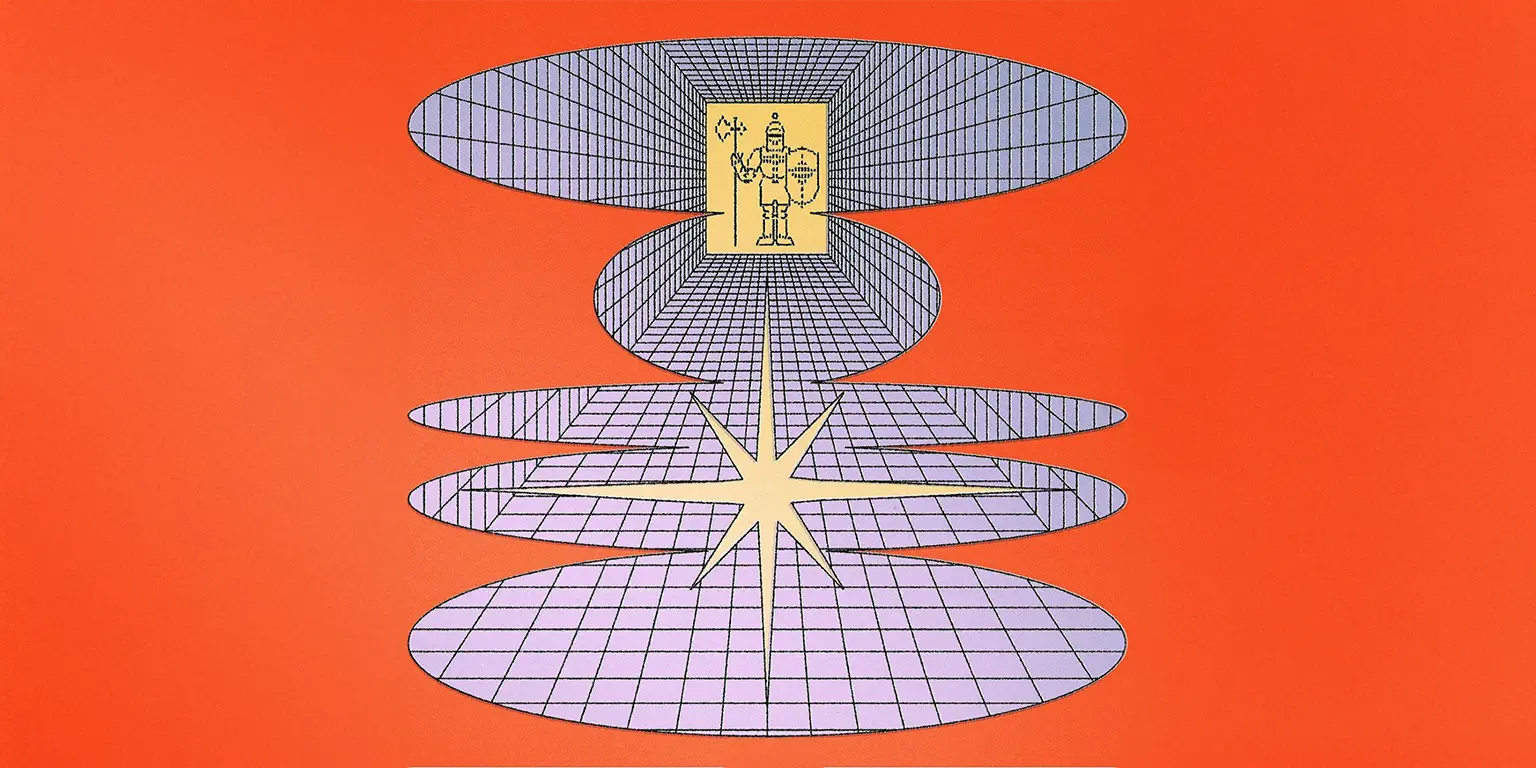
Your feed feels cloned. Same fonts. Same pastel gradients. Same hollow branding faking connection. That isn’t coincidence. That’s the algorithm grinding identity into stock templates, selling sameness as culture. Jordan Schiffer work isn’t just pretty. It’s a glitch in the feed. A refusal of the uniform lie. The cost of ignoring it? A generation raised on recycled pixels, mistaking copy-paste monotony for creativity.
Your feed is a graveyard. Every scroll is another funeral.
The scroll tastes like dust. Every swipe is déjà vu. Influencers shilling the same Stanley cups. Posters rotting in Canva hell. Logos screaming fake-playful in the same sterile font. It’s a morgue of culture and you can smell the embalming fluid.
That’s not coincidence. That’s system design. The algorithm pushes sameness because sameness sells. Safe for brands. Safe for ad buyers. Safe for the machine. A study in Computers in Human Behavior found algorithm-driven feeds trap you in monotony by design. The endless loop is profitable.
But sameness eats you alive. Your body knows. Eyes glaze. Chest compresses. You scroll because you’re bored, and boredom has been commodified into revenue. This isn’t curation. This is cloning at scale.
Your feed isn’t curated. It’s a graveyard.
Ugly is holy. Perfection is the lie.
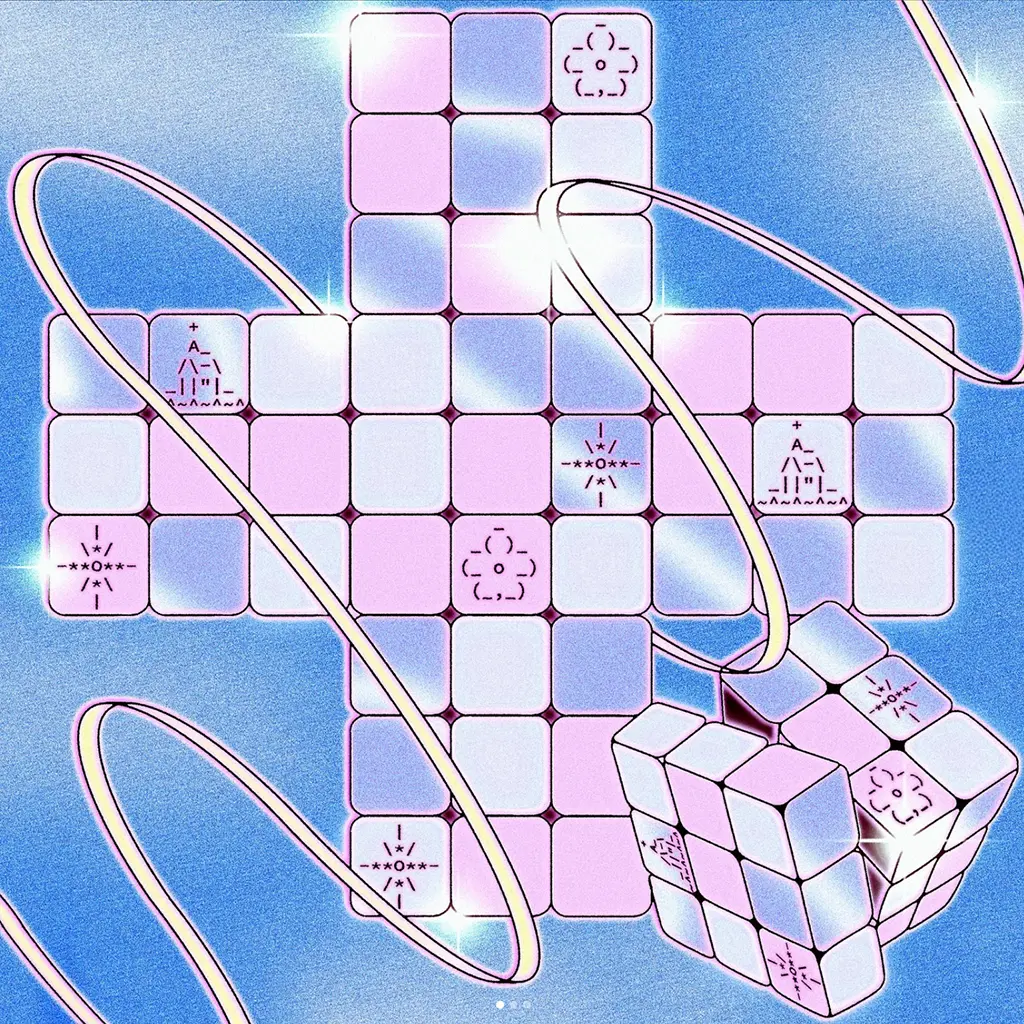
Jordan Schiffer doesn’t smooth the edges. She rips them raw. Retro illustration style jagged like broken glass. ASCII art illustration that glitches instead of soothing. Cross-stitched hearts bleeding pixels. It’s not aesthetic. It’s sabotage.
Perfection is the most expensive scam ever sold. Instagram calls it empowerment. Brands package it as self-care. Really, it’s control. Smooth surfaces mean no friction, no fight. Schiffer breaks that spell. Every imperfection screams human. And in a system built to erase humanity, that’s holy.
Authenticity has been commodified into hashtags and collabs. Influencers cry on schedule. Brands pay agencies to fake vulnerability. It’s all a cheap act. Schiffer doesn’t perform authenticity. She weaponizes it. Her ASCII art illustration glitches the loop, forcing you to face something unpolished, something unstable.
Flaws are the only honest flex left.
The past wasn’t cute. It was free.

Her work feels like a time warp. The ASCII grids. The glitch bleed. Fonts ripped from chatrooms that stank of teenage chaos. It’s nostalgia but it doesn’t hug you—it slaps you awake.
Nostalgia in Schiffer’s hands isn’t comfort. It’s critique. Retro illustration style here is a weapon. A reminder of when the internet was ugly and alive. Before feeds became corporate cages. That ache you feel isn’t about childhood. It’s about freedom stolen. Psychologists even call it restorative nostalgia—the kind that makes you want to rebuild what was lost.
The myth says progress is clean. Sleek. Polished. Schiffer drags us back to when imperfection was the norm. Not because it was better. But because it was real. That longing isn’t delulu. It’s survival instinct remembering oxygen.
The past you miss never existed. It was freer.
Boredom pays their bills. Your scrolling is their profit.
Why does every feed look the same? Because monotony makes money. Predictability guarantees engagement. Advertisers don’t want chaos. They want safe clones. And platforms serve it up. A study on algorithmic curation showed repetitive content keeps you scrolling longer—even when you report being bored. Boredom is not a failure. It’s a feature.
So the beige influencer survives. The Canva infographic thrives. The Spotify-core poster multiplies. Your boredom is a line item on a balance sheet. They’re making blood profit off your disinterest.
Jordan Schiffer’s ASCII art illustration breaks that economy. It doesn’t slide smooth into the scroll. It jars you. It irritates. That irritation is dangerous because it interrupts time-on-site. And time-on-site is their god. Imperfection doesn’t monetize as easily. That’s why her work matters.
Your boredom is someone else’s paycheck.
Break the machine or become it.
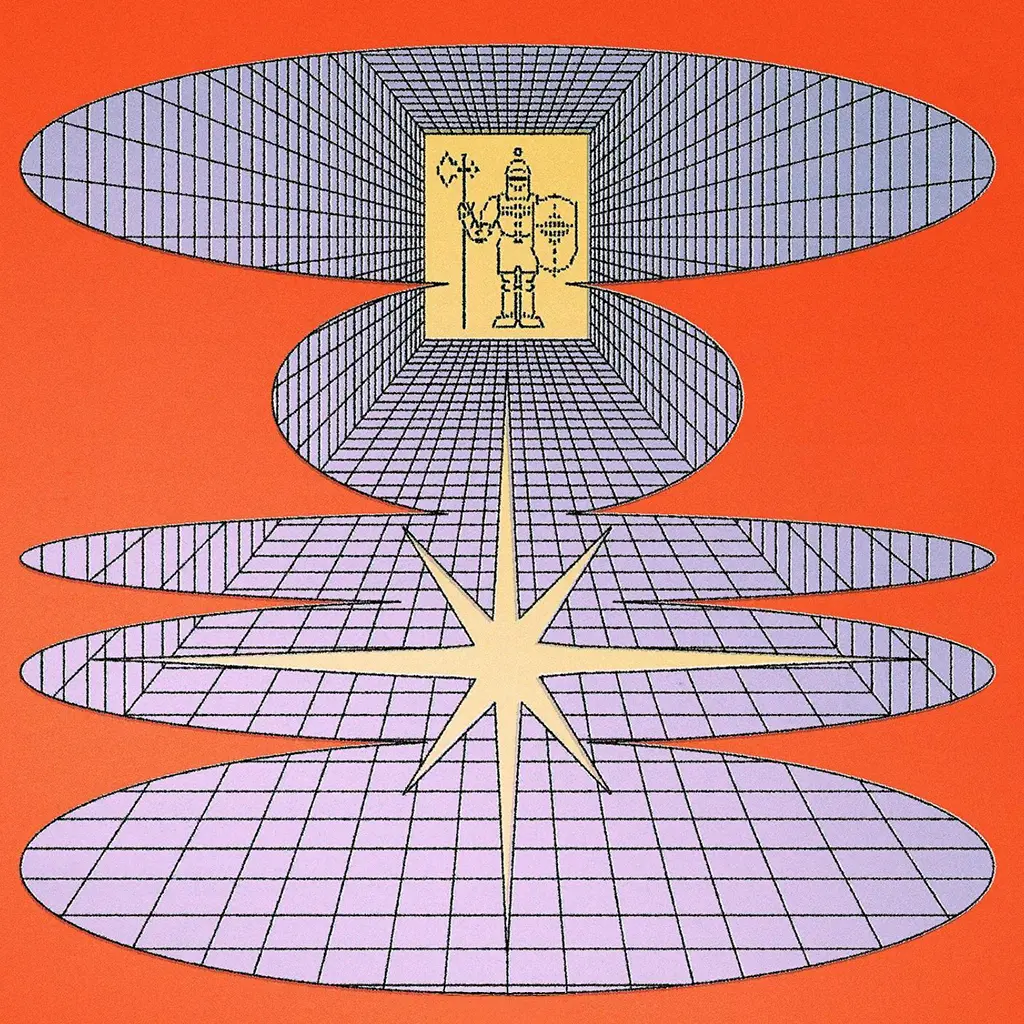
Sameness isn’t an accident. It’s silence wired dirty. Pastel paint over prison walls. Retro illustration style isn’t cute here. It’s rebellion. Schiffer’s ASCII art illustration throws static into the algorithm, reminding you what wrongness feels like. Reminding you what it means to still be human.
Glitches are oxygen. Imperfections are exits. If it looks perfect, it’s already profiting. If it looks ugly, it’s alive. Her work doesn’t just decorate your feed. It exposes it. It breaks the illusion.
You can obey sameness or amplify the glitch. There’s no middle ground. One path is obedience and creative death. The other is rupture. Jordan Schiffer shows that rupture isn’t optional—it’s survival.
If it looks too clean, it’s already killing you.