
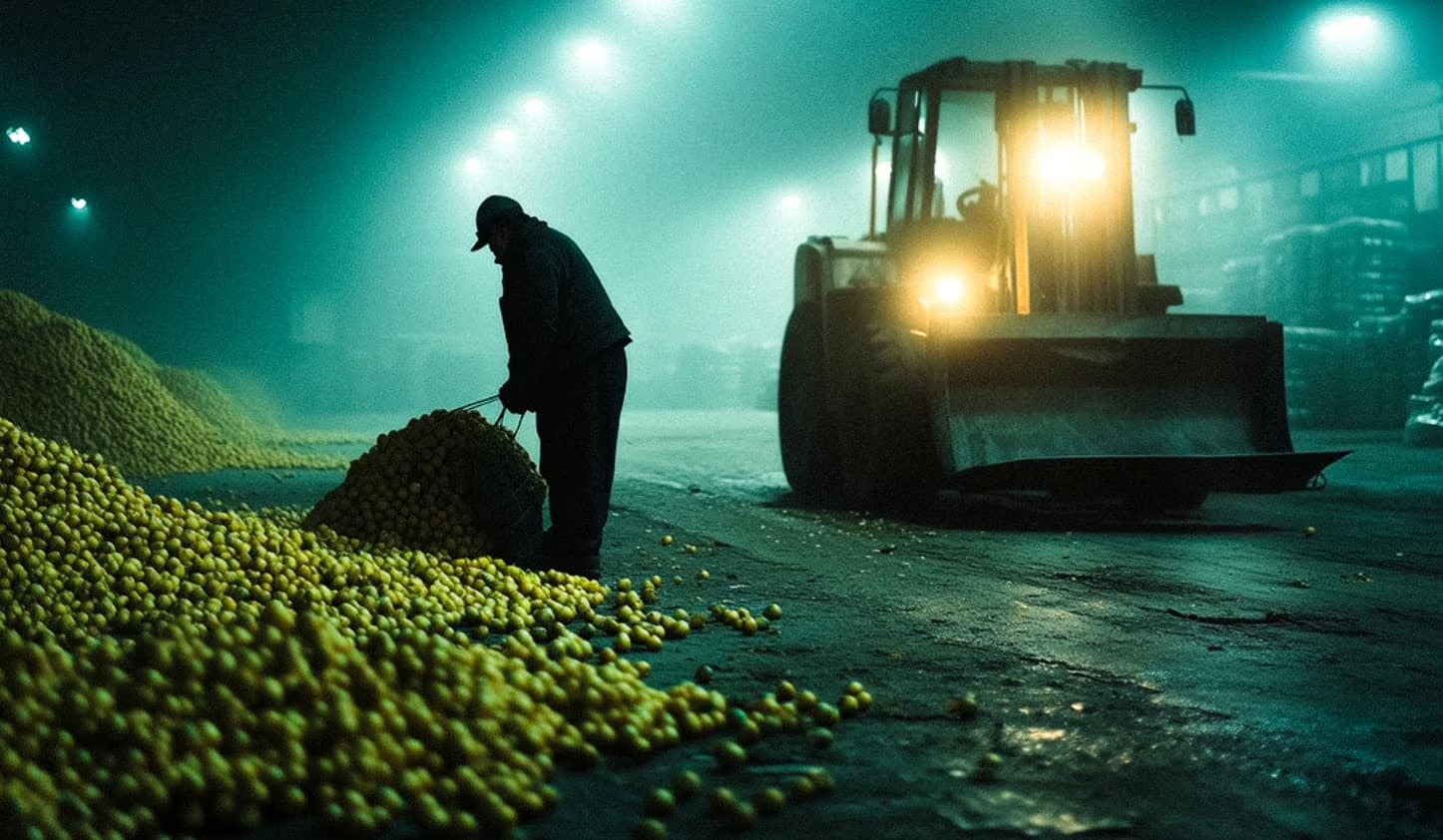
USDA loopholes turned “organic” into a purchasable fantasy. Not a hard-earned promise.
The peach in your hand tastes like static. Warehouse air. LED glare. Plastic bin dust. Cardboard and ammonia on the skin. The juice is thin and chemical. You paid double for the privilege of biting into marketing. But organic isn’t organic.
The USDA calls it organic. The farm calls it organic. Your receipt calls it organic. The soil never had a say.
The National List of Allowed and Prohibited Substances is their loophole Bible. Copper sulfate is legal. Chlorine too. All you need is the phrase “no other choice.” That isn’t farming — it’s chemical laundering in plain sight.
“As long as the paperwork’s clean, you’re fine.” That’s a USDA inspector, not a critic.
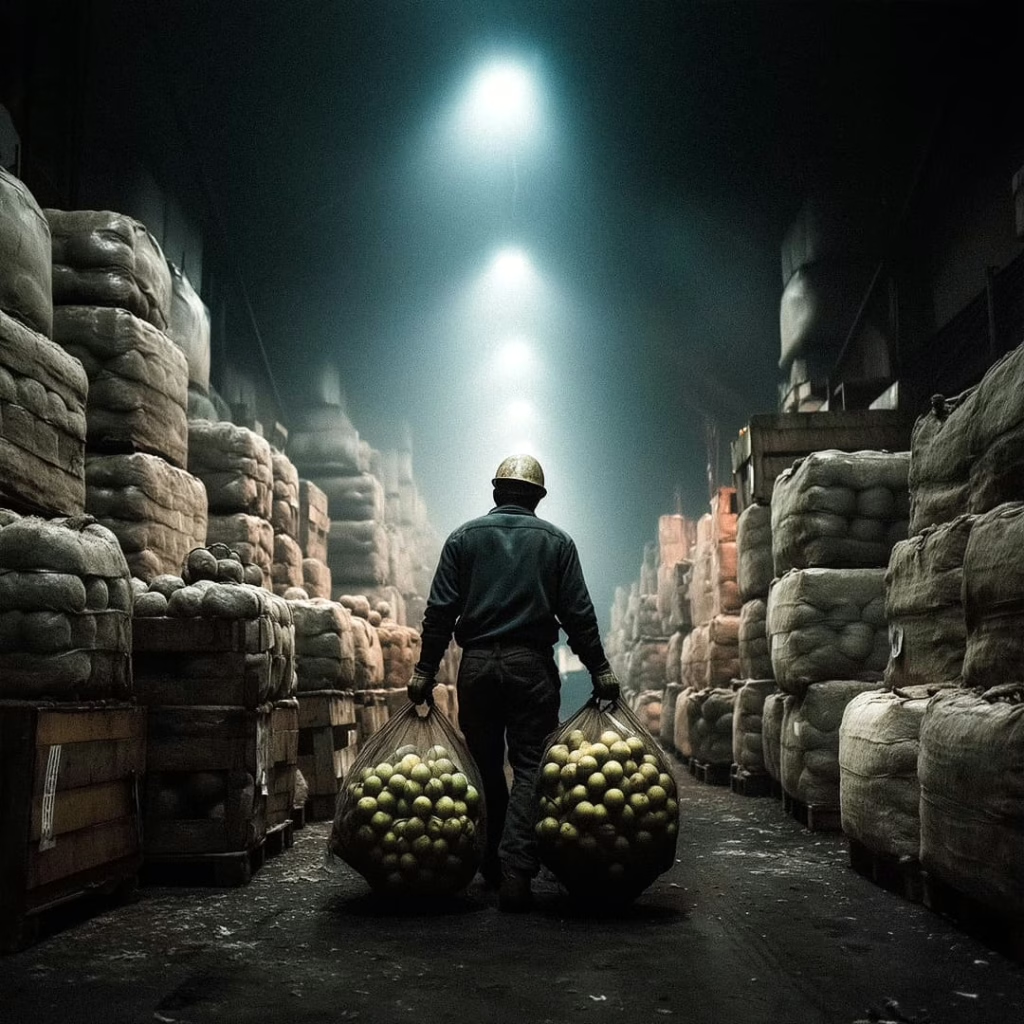
Randy Constant faked $142 million in organic grain. It went into your “ethical” eggs, your “happy cow” milk, your “clean” chicken. The USDA caught him years too late because certifiers are paid by the farms they inspect. That’s not oversight. That’s a payroll arrangement.
Minnesota. Two farmers. $46 million in chemically treated crops sold as organic from 2014–2021. Every shipment USDA approved. Every invoice stamped — until the FBI stepped in.
South Dakota. Larry and Joseph Bormann sprayed synthetic fertilizer across thousands of acres, then fed it into organic supply chains. They ran the scheme for years. It took federal prosecutors to shut it down.
California. A fertilizer company spent a decade selling ammonium sulfate to “organic” farms across the state. USDA knew. The Washington Post proved it. No systemic overhaul followed.
Globally, the fraud is industrialized. China, India, Turkey. Group certification means entire supply chains get the USDA seal without a single legitimate inspection. It’s the fake Rolex of agriculture.
“The organic seal is now a marketing term. Not a standard.” — Dave Chapman, Real Organic Project.
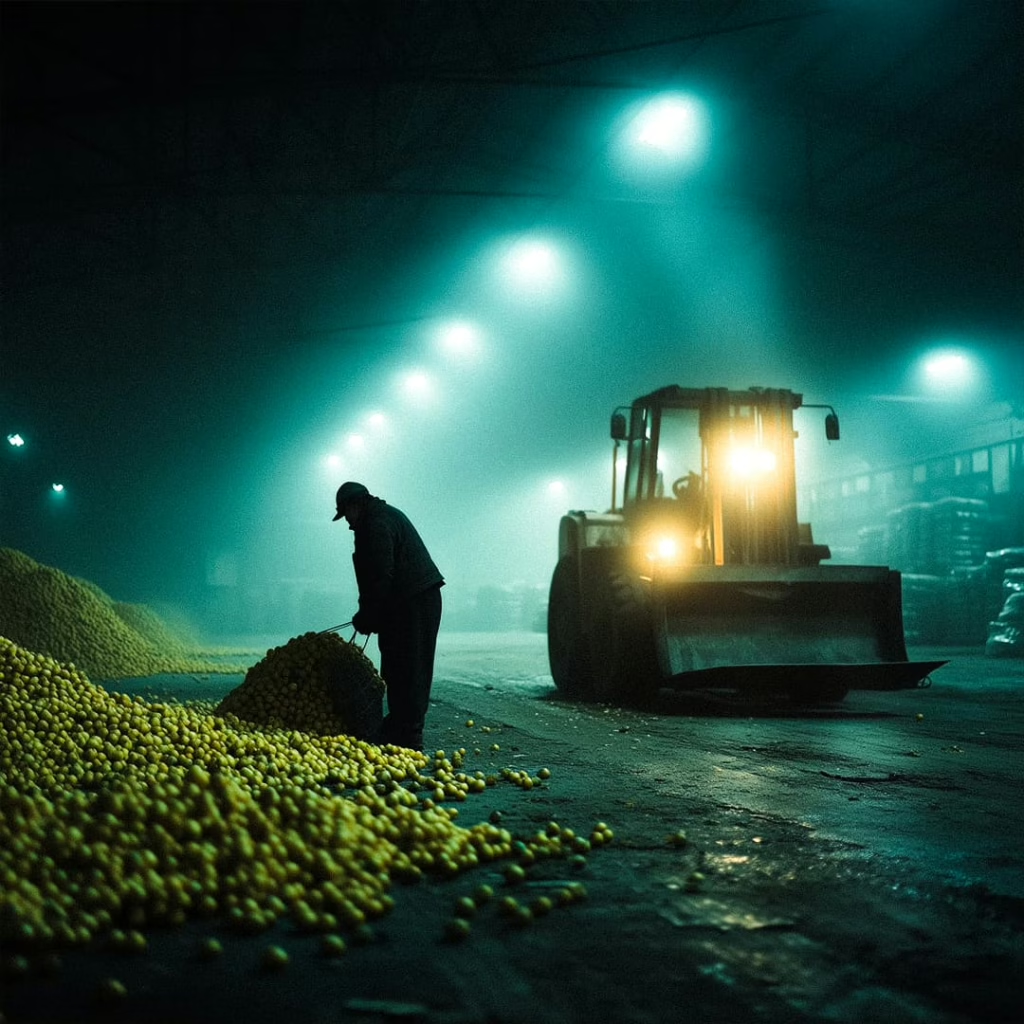
Animal welfare? A prop. Aurora Organic Dairy keeps thousands of cows penned like prisoners. Less than 10% ever touch pasture. The USDA yawned.
Your “organic” chicken might live its entire life in a warehouse staring at a screened porch that legally counts as “outdoor access.” The rule to stop it was killed before it mattered.
Hydroponics is the final insult. The Organic Foods Production Act says organic farming should maintain and improve soil. Hydroponics has no soil. Corporate farms lobbied. USDA folded. A coalition sued. They lost. Soil lost. You lost.
Pause. Let’s talk about you.
You wanted the sticker to mean clean food. You wanted to hand over cash and buy your way out of guilt. You didn’t want to hear about ammonia-treated grain or porch chickens. You didn’t want to see the boats, the warehouses, the chemicals in your “chemical-free” dinner. You wanted plausible deniability in a green font. And you paid for it.
Here’s your scoreboard:
• General Mills owns Cascadian Farm, Muir Glen
• Danone cashed out Horizon Organic in 2024 to Platinum Equity
• Hormel owns Applegate Farms
• Nestlé owns Sweet Earth Foods
In 2024, General Mills sold its yogurt arm to chase “high-growth” organics. In 2025, Danone bought Kate Farms. Authenticity is now a SKU number.
This is not about ethics. This is about a $60 billion U.S. organic market by 2035. This is about a $147 billion global fruits and vegetables racket by 2030. It’s about agribusiness dropping over $523 million on lobbying in just five years—more than Big Oil.
The Strengthening Organic Enforcement rule is their decoy. More inspections. More traceability. But it’s underfunded. Undermanned. Unenforced.
“You wanted the lie. Because the truth is work.”
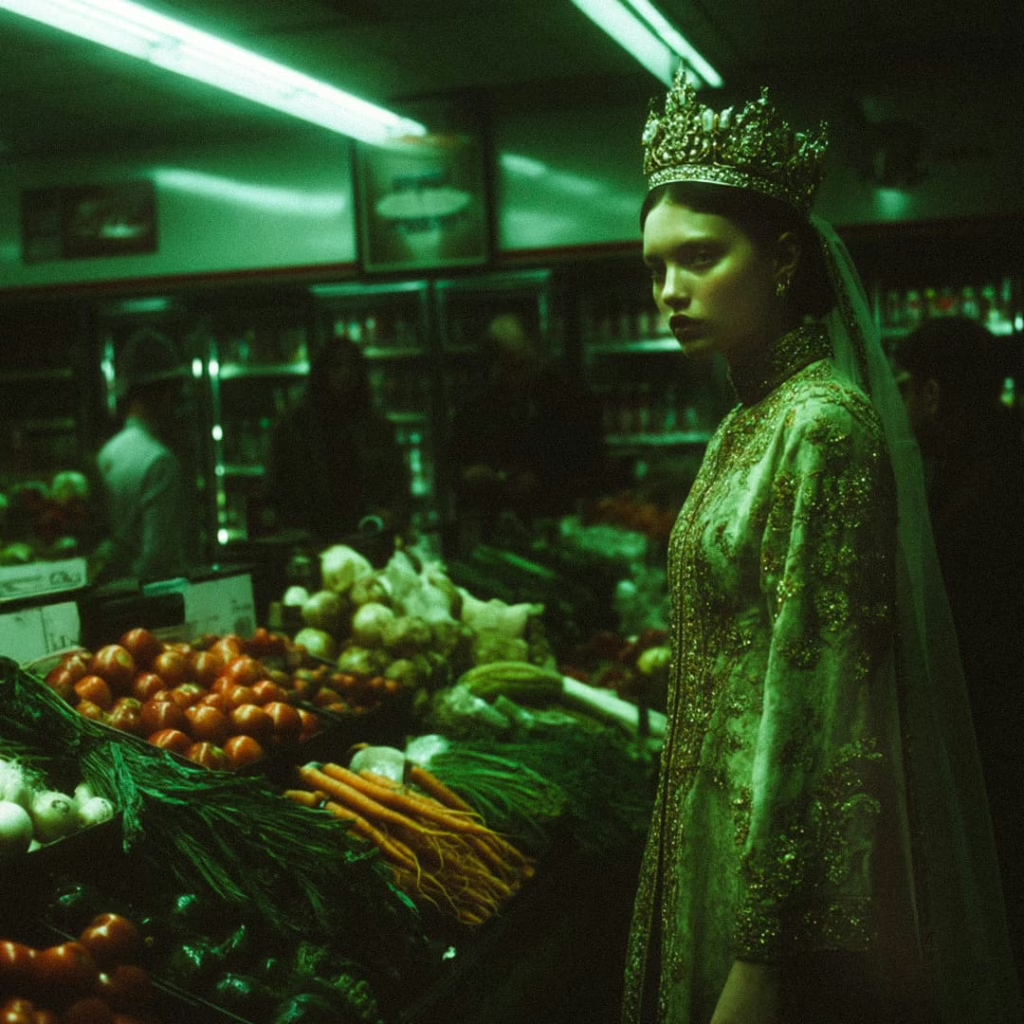
Organic does not mean chemical-free. Organic does not mean local. Organic does not mean humane. It means someone paid enough to pretend.
You think you’re buying integrity. You’re buying a corporate handjob in compostable wrap. You lit the match. You handed them the gasoline.
And now that peach in your hand tastes worse. You can feel the static in your teeth. The dust in your mouth. The plastic on your tongue. You paid to eat the brand — and the brand ate you back.
Organic started as rebellion. Now it’s a brand. And brands don’t feed you. They fucking eat you alive.