
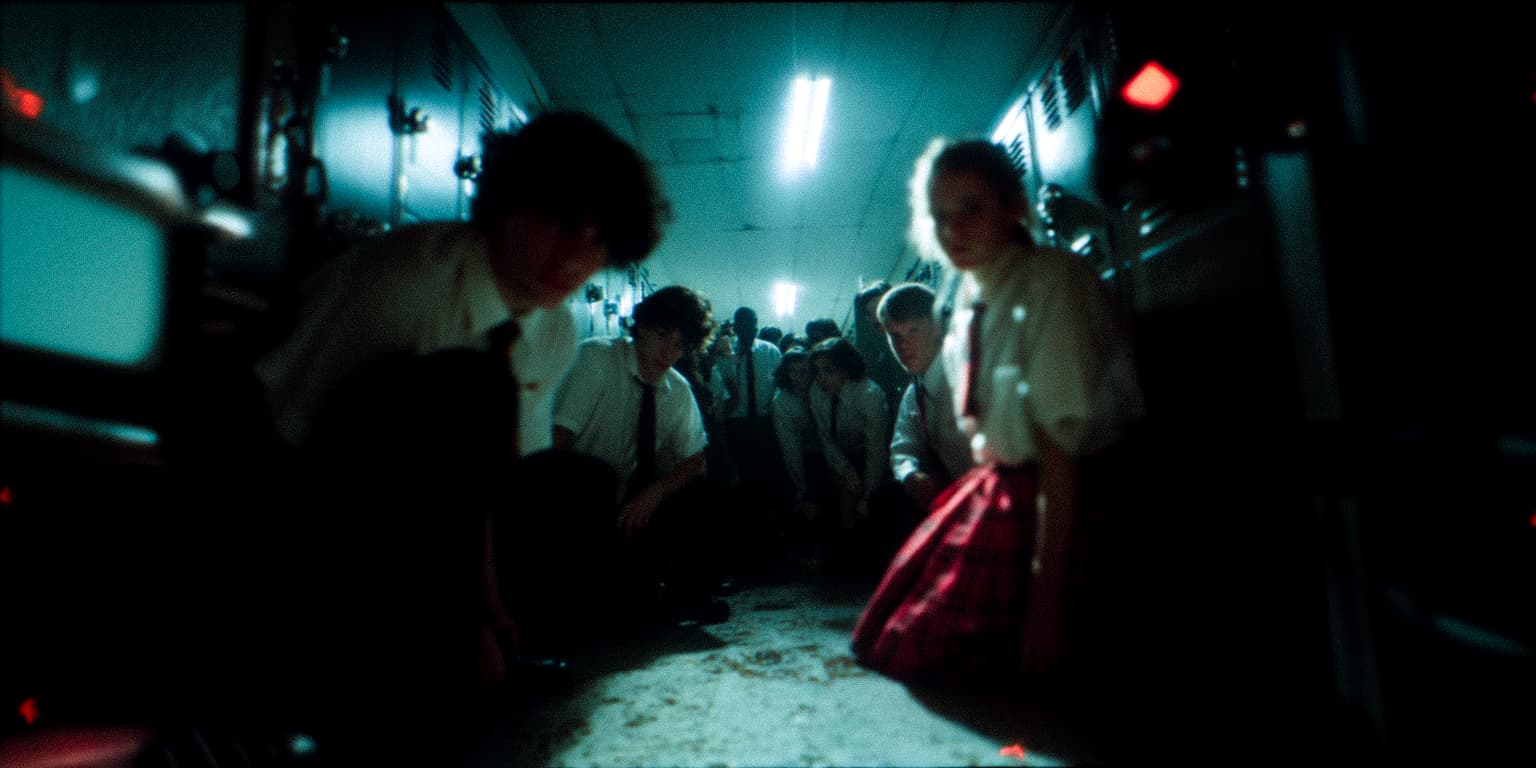
The alarms blare. Doors lock. Cameras blink red. Yet classrooms and parking lots still run with blood. School security has become a billion-dollar theater where politicians buy cameras instead of courage. They hire guards instead of passing gun laws. The result is predictable: staged protection. Real funerals. The industry cashes in on fear while kids trade math homework for active-shooter drills. The Minneapolis attack only proves the obvious. That our defenses are built for optics, not survival. What is safe storage?
The threat isn’t outside the walls. It’s inside the dresser.
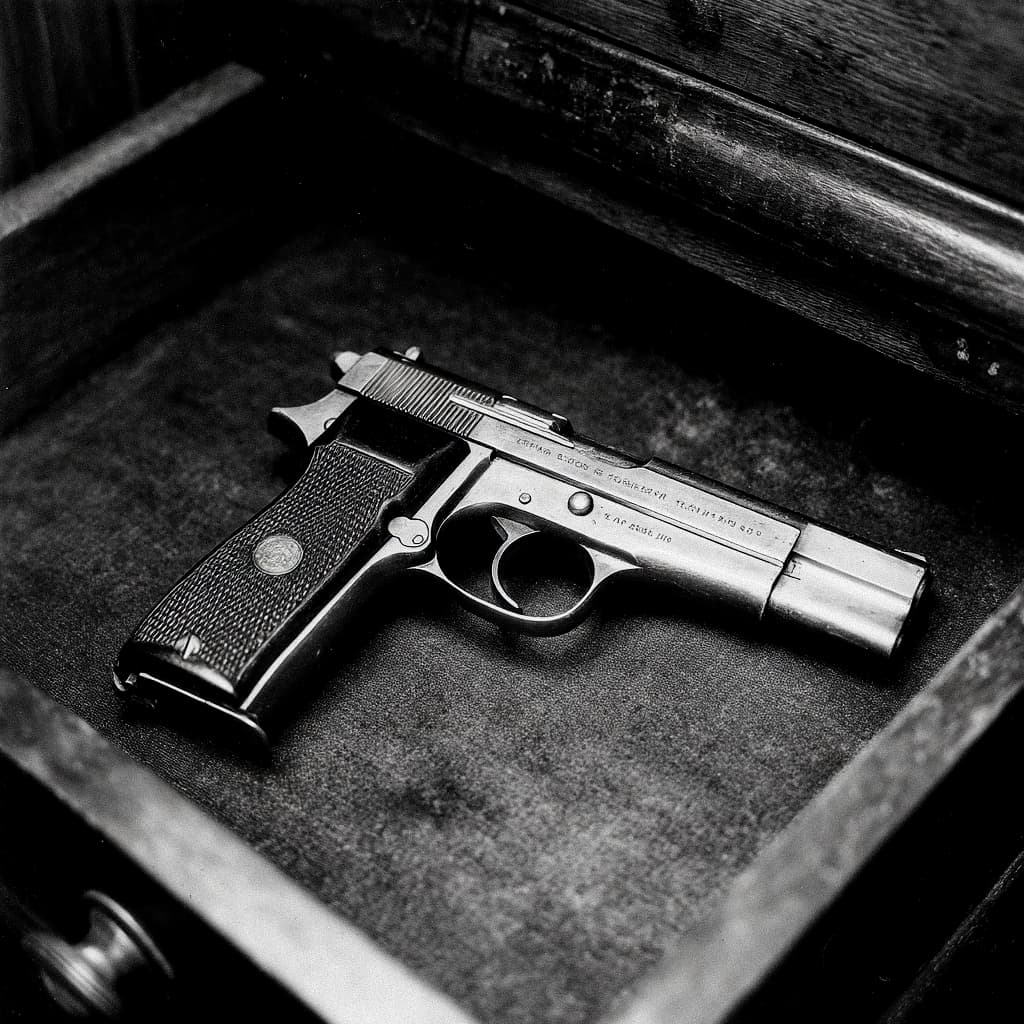
The click of a closet latch is quieter than a gunshot but just as mortal. Most school shooters don’t buy weapons on the street. They raid their own homes. Rifles behind coats. Pistols in nightstands. Codes guessed from a parent’s ATM pin. The house is the supply chain.
The U.S. Secret Service found that 76 percent of school shooters accessed their firearms from home, often just hours before the attack. Even when families claimed to use safe storage, kids cracked locks or grabbed the keys. Prevention isn’t collapsing at the school gate. It’s collapsing in the living room.
Parents still rush to buy bulletproof backpacks as if polyester shields can stop AR-15 rounds. They can’t. That’s not safety. It’s guilt disguised as consumerism. Meanwhile, billions funnel into school security contracts—metal detectors, surveillance cameras, panic apps—while the real breach sits in a dresser drawer.
The obsession with hardening schools ignores where the blood trail begins. Not at the perimeter. Not in the classroom. In bedrooms with unlocked closets. In homes where a gun is considered protection but becomes the weapon that arms a child.
Schools don’t arm the killers. Families do.
Lockdowns don’t stop bullets. They just choreograph panic.
The intercom summons yet another drill. Kids press into the floor, breathing dust. This is the theater of school security. Billions spent on cameras, buzzers, and School Resource Officers. But research shows armed guards don’t lower casualties, and in some cases the death toll is higher (Urban Institute). The Minneapolis shooter never breached the door. He fired from outside. Every lock, alarm, and barricade failed.
This isn’t protection. It’s panic choreography. Cameras record fear. Teachers rehearse trauma. Politicians praise “hardening” while the evidence shows it’s cosmetic—an illusion to soothe parents.
The culture has descended into absurd consumer rituals. Panic pods marketed for classrooms. Parents buying bulletproof hoodies. A cottage industry that thrives because fear is profitable. Reality is ignored because reality would demand gun laws.
Drills don’t stop bullets. They just train children how to die quieter. The real casualty is innocence—the belief that a locked door means safety.
We’ve perfected the performance of safety, not the reality of it.
Every shooter leaks the plan. Nobody listens.
Threats echo in halls days before the shots. A post online. A friend hears a threat. Parents see a change. Yet the system stays deaf. The U.S. Secret Service reported that 66 percent of shooters communicated intent within two weeks, and over half did so within 48 hours. But only 17 percent of schools had anonymous reporting systems. Billions are wasted on scanning for threats. Almost nothing is spent on hearing them.
So we perform. Teachers memorize scripts. Students stack desks. The warnings scream. The system snores.
In Minneapolis, like in other shootings, the weapons were legal. The pattern familiar. Signs almost certainly visible. But the mechanisms to act weren’t there. The chaos wasn’t random. It was preventable.
We call these attacks unpredictable. That’s a lie. Predictability isn’t the problem. Negligence is.
School shootings aren’t sudden. They’re scheduled.
$3 B buys security theater. Kids still die for free.
After Parkland, states poured nearly a billion dollars into security upgrades. Today, the school security market is worth over $3 billion. AI trackers. Panic apps. Biometric locks. They sell salvation in a box. But none of it prevents the carnage. It profits from it.
Parents want action. Politicians want optics. Vendors want contracts. The result is a booming industry of tech gimmicks with no measurable casualty reduction.
Meanwhile, proven solutions—like child access prevention laws—remain politically toxic. Studies show safe-storage laws cut child firearm deaths by up to 15 percent. But a locked closet doesn’t produce a profit margin. Fear does.
So fear thrives. Trauma drills. Bulletproof vest fashion. Classroom fortifications. All funded because every new tragedy fuels another sales pitch.
School shootings don’t just kill students. They bankroll industries.
The system isn’t failing. It’s functioning exactly as designed.
The Minneapolis shooting wasn’t an error. It was the blueprint. A shooter with legal guns. Security cameras humming. Chaos captured. The school theater collapsed under real fire.
This is the American trade. Guns unlocked at home. Politicians buying illusions instead of passing laws. Vendors fat off taxpayer money. Kids turned into props. Death sold as spectacle.
We call it failure. That sounds accidental. But the system performs exactly as designed. It sustains an industry. It shields lawmakers. It guarantees profit.
School security isn’t protection. It’s distraction. It’s engineered to calm parents, enrich vendors, and keep accountability buried. Minneapolis was not the glitch. It was the system working.
This isn’t a broken machine. It’s a functioning one. The spectacle rolls on. Coffins keep closing. Lobbyists keep winning.
Kids aren’t collateral. They’re the business model.
 N. Fontaine