
The Biggest Loser Documentary Exposed. The Viewer Is the Villain.
The Biggest Loser documentary didn’t expose a show. It exposed you. Reality TV guilt is the new denial. And millions watched without blinking.
They collapsed. You clapped.
Tracey Yukich’s muscles liquefied on Day One of The Biggest Loser documentary. Rhabdomyolysis. She saw a light. Heard her grandfather’s voice. Then a helicopter took her to the hospital. The episode aired. The ratings spiked. You called it inspirational.
That wasn’t a warning. It was a hook.
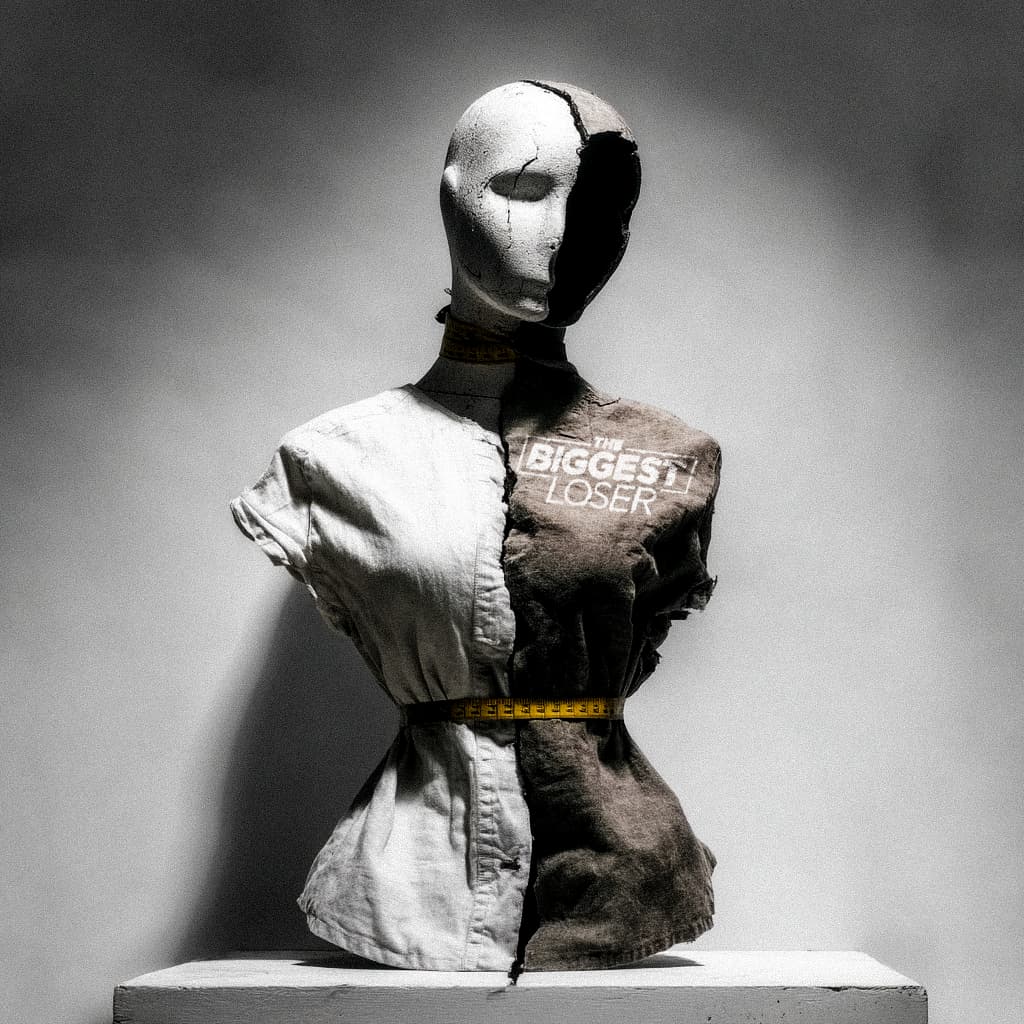
The Biggest Loser wasn’t a show. It was a televised breakdown marathon. And you were the finish line.
“Millions Watched. That’s Not an Audience. That’s an Accomplice.”
At its peak, The Biggest Loser finale dragged in 13.4 million viewers. Most episodes hovered near 8 million. Week after week. For years. Viewers didn’t just watch pain. They came back for it.
That’s what The Biggest Loser documentary can’t soften. Not the 800-calorie diets. Not the 8-hour workouts. Not the contestants who signed contracts under pressure. Lost their periods. Blacked out on camera.
Almost none of them left the show whole. Winners like Ryan Benson and Danny Cahill found their bodies spiked back to danger zones. Not from relapse. But from metabolic sabotage. Danny’s metabolism permanently slowed by over 500 calories a day. The system didn’t rehabilitate them. It decommissioned them.
And not you. Because you knew. And you kept watching.
“This Isn’t About the Show. It’s About You.”
You weren’t watching to be inspired. You were watching because watching someone suffer made you feel clean. Because you’ve spent your whole life believing that fat people are failed people. And finally. There was a show that said it out loud for you. It told you their pain was earned. Their humiliation was healing. It turned your disgust into morality.
The Biggest Loser didn’t invent fatphobia. It just gave it a studio audience. This country doesn’t hate fat. It worships the punishment of fat. We cheer weight loss the way we cheer military victories. Without caring who dies in the process. Doctors call it treatment. Influencers call it wellness. Families call it love. It’s a war disguised as self-improvement. And The Biggest Loser made it prime time. Not because it was right. But because it was already popular.
“You Applauded When the Scale Screamed.”
Now that The Biggest Loser documentary is trending. You’ve switched masks. Critic. Ally. Historian.
But you weren’t silent back then. You were loud. You were loyal. You reposted the weigh-ins. You laughed at the vomit montages. You quoted the trainers.
You didn’t just watch the show. You gave it language. You turned it into shorthand for effort, for failure, for pain-as-progress. You built memes from people’s meltdowns. You texted friends things like “channeling my inner Jillian” as if Jillian wasn’t screaming through someone’s tears. You wore their suffering like merch.
You branded people’s trauma as content. And that’s not entertainment. That’s a fucking pathology.
“Reality TV Guilt Isn’t Redemptive. It’s Rot.”
The guilt you feel now is just more performance. You don’t feel bad because they suffered. You feel bad because you got caught applauding. You don’t mourn the damage. You resent the mirror. That’s what Reality TV guilt is.
It’s not healing. It’s optics. It’s cultural rebranding. You want to pretend you’ve evolved. That you would never share those clips now. But you haven’t. You still use transformation arcs to feel holy. You still weaponize before-and-after stories to validate your grind.
You’re not trying to make it right. You’re trying to look like the kind of person who would have made it right if you had known. But you did know. You just didn’t care until the shame became socially expensive.
“You Don’t Get to Blame the System. You Funded the Sadism.”
Trainers screamed. Doctors warned. Contestants collapsed. But ratings soared. Sponsors renewed. Seasons kept rolling. Because you watched.
You made it profitable to turn human suffering into lifestyle porn. You made trauma bingeable. You didn’t just co-sign the violence. You scaled it.
That’s the Biggest Loser controversy. Not what the show did. What it revealed about everyone who supported it.
🩸 Anatomy of a Cultural Execution
- Select the Weak – Cast for desperation. Make sure they’ll break fast.
- Rewrite the Rules – Sign contracts that erase medical rights.
- Starve the Body – Underfeed. Overtrain. Call it wellness.
- Shame as Fuel – Use public weigh-ins. Humiliation as arc.
- Make the Pain Beautiful – Cinematic music. Inspirational edits.
- Sell the Collapse – Put sponsors between sobs.
- Silence the Aftermath – No therapy. No follow-up. No care.
- Profit Again – Re-release the story as a redemption doc.
“He Threatened to Quit. Then Stayed.”
Dr. Robert Huizenga. The show’s on-screen physician. Saw the starvation. The injuries. The blackout drills disguised as workouts. He said he threatened to quit every season.
But he didn’t quit.
He watched the meltdown. Said nothing. Collected his check. That’s not medicine. That’s myth maintenance.
He wasn’t just complicit. He was the medical seal of approval. Every time he stayed, he gave cover to the carnage. Contestants trusted him. Viewers trusted him. His presence said: this is extreme, but safe. Brutal, but scientific. Necessary.
And when he finally raised concern? He hid it behind legalese. Lawsuits. Defensiveness. Image control. He didn’t expose the system. He negotiated his exit from it.
The Biggest Loser documentary casts him as a reluctant soldier. But no one forced him to stay. He stayed because he was still being paid. Heroism doesn’t get a producer credit.
“Netflix Didn’t Redeem Anything. It Resold the Wound.”
Netflix didn’t break the silence. It broke open a vault of monetized suffering. And called it journalism. This wasn’t whistleblowing. This was repackaging trauma for autoplay. The same company that streams documentaries on diet culture. Fatphobia. Health misinformation. Has a fitness inspiration category full of identical lies.
They don’t care about the truth. They care about the binge. They want you to feel bad, but not bad enough to unsubscribe. Just enough to hit “next episode.” Their strategy isn’t accountability. It’s contrast. Hurt you, then heal you. But only on camera.
The media didn’t just cover The Biggest Loser. It built it. People Magazine. Entertainment Tonight. Morning shows. Fitness blogs. They all turned contestants into heroes, trainers into gurus, and suffering into spectacle. They wrote puff pieces about trauma. They aired exclusives on weight loss while ignoring hospitalizations. The media wasn’t curious. It was complicit.
And when it ended, they didn’t investigate. They waited. And when Netflix handed them the script, they printed it.
They profit on both ends. First when you cheer for collapse. Then when you cry about it years later. This isn’t accountability. It’s content strategy. The pain didn’t move them. They just saw there was still money left in the corpse.
“Aftermath Isn’t Just Weight Regain. It’s Lifelong Damage.”
The cameras left. The scars stayed.
Many contestants left with eating disorders. Body dysmorphia. Trauma unprocessed. The show didn’t fix them. It broke them professionally. It taught them their value peaked at their thinnest and their suffering was only meaningful if televised. Off-camera, they became ghosts of their most watchable selves.
Some couldn’t hold jobs. Some spiraled into shame cycles so deep they stopped seeking help altogether. And when they cried out post-show, nobody cared. They were old news. Their bodies had already been used up by the brand.
But worse than the silence was the muzzle. Contestants signed NDAs that choked truth before it left their throats. They weren’t allowed to criticize the show. Not on social media. Not in interviews. Not to each other. One wrong word, and the network could sue.
The price of healing was silence. The cost of speaking out was legal warfare. So most just vanished. Not healed. Not whole. Just edited out of the narrative.
And no one paid for the aftercare. Because in America. If you collapse for TV. The credits are your tombstone.
“Social Media Didn’t Watch. It Weaponized.”
You didn’t just consume. You co‑produced. Every reposted weigh-in. Every inspirational meme. Every before-and-after body you shared to shame your own. You were the marketing department.
Social media turned the show into folklore. You built TikToks around “glow-ups” that were trauma rebounds. You filtered breakdowns. Edited sobs. Created duets with dying metabolisms. Reddit became a tribunal. Twitter was the executioner. Instagram made eating disorders aspirational.
You turned contestants into content. Into hashtags. Into punchlines. You turned breakdowns into brand deals. Some contestants tried to reclaim their narratives online. And got drowned out by accounts impersonating their journey. Voice stolen. Story stolen. All for a like count.
This wasn’t just viewer complicity. This was cultural choreography. A social ecosystem designed to amplify shame and reward spectatorship. You made sure the trauma stayed in circulation. Not because it was important. Because it was viral.
“The Biggest Loser Wasn’t on TV. It Was on the Couch.”
And now there’s a documentary to make you feel bad. To let you cry. To pretend you wouldn’t cheer again.
But you would.
If it aired tomorrow. You’d share the clip. You’d post the before-and-after. You’d laugh at the meltdown disguised as a milestone. You’d DM it to your gym buddy. You’d screen-record the tears. Caption it “motivation.” Use it to guilt yourself into starving. You’d tag your favorite trainer. You’d call it a wake-up call. You’d do it all over again.
Because it’s not about change. It’s about control. And you still think suffering is sacred. That pain earns purity. That broken bodies prove discipline.
You wouldn’t watch to help. You’d watch to hate. Because the real transformation wasn’t on-screen.
It was in you. And it made you colder. Crueler. Hungrier.
For someone else’s collapse.
 N. Fontaine