
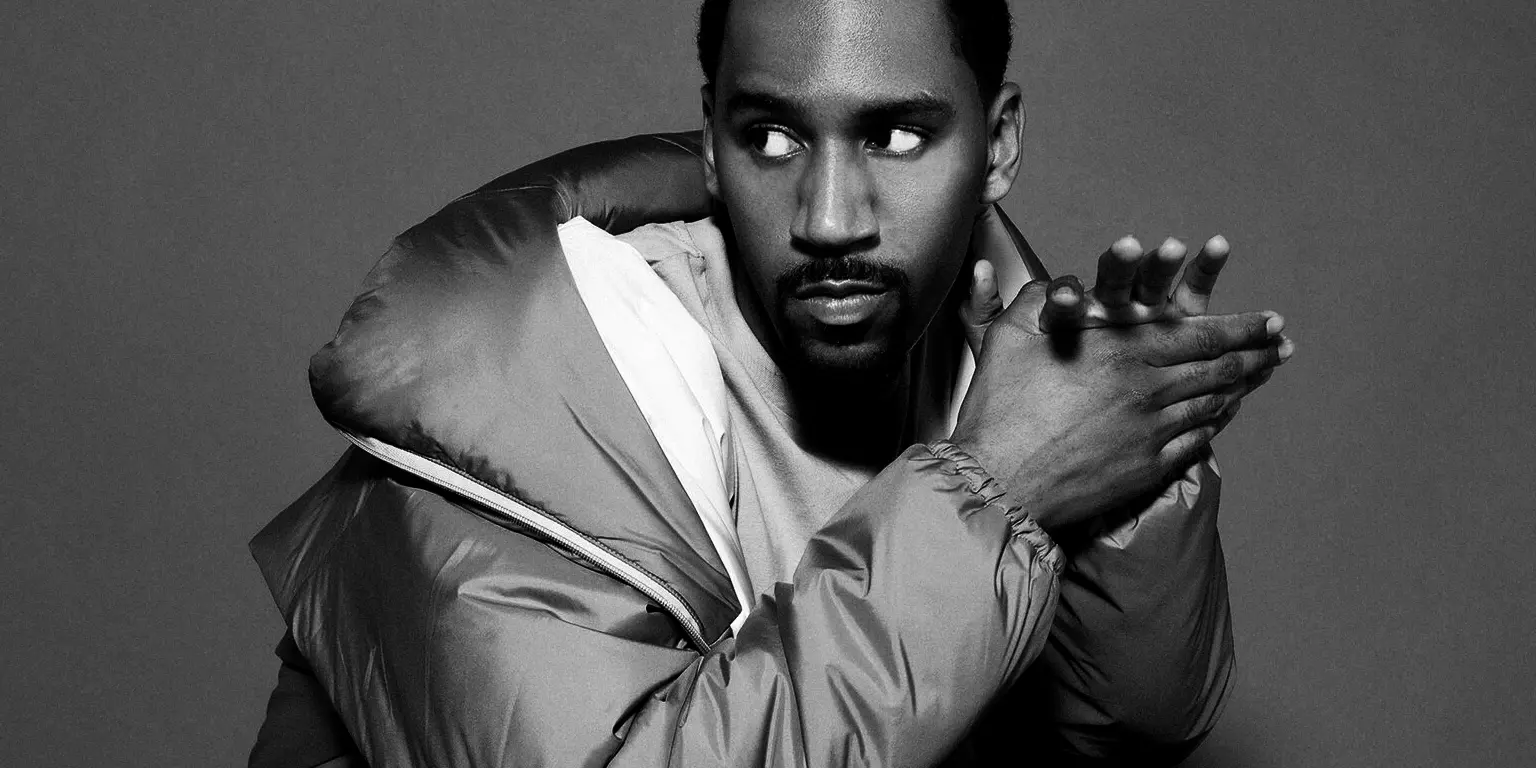
They keep calling it a breakout like he wasn’t already built. Siddiq Saunderson wasn’t plucked from obscurity. He was ignored by a system wired dirty to only spotlight Black pain when it comes with a soundtrack. The industry loves to stream the hood, but not elevate the men who survive it without spectacle. This isn’t a Cinderella story. It’s a case file. Brooklyn made him. They just finally stopped pretending they couldn’t see it.
They call it a role. He made it a resurrection.
They handed Siddiq Saunderson a hip-hop ghost and expected a copycat performance. What they got was grief in human form. From the first beat of Wu-Tang: An American Saga, he didn’t just play Ghostface Killah. He rebuilt him. Brought back the breath between the bars. The weight behind the punchlines. The echo in every silence.
Because what the script wanted was swagger. But what Siddiq gave them was soul. The way he moved through scenes wasn’t acting. It was testimony. Ghostface wasn’t just some rap legend. He was a trauma survivor. A brother. A lover. A kid with a chronically ill bae and nowhere to put the guilt.
Streaming execs love this circus of pain-turned-prop. But Siddiq refused to perform the trauma without truth. His Ghostface bled with nuance. His presence pushed back against the dopamine show. Hulu didn’t give him that depth. Brooklyn did.
He didn’t just play Ghostface. He rebirthed him.
Craft doesn’t go viral. But it never dies either.
The myth says you can’t be trained and real. Siddiq Saunderson proves that lie broke a long time ago. This Brooklyn actor studied Shakespeare, fought through monologues and method, then showed up in every scene like he still smelled the streets he came from.
He didn’t trade local truth for technique. He fused them. The result? Lines that didn’t just sound good. They cut. He made every syllable feel like it came from a theater and a bodega. That’s not branding. That’s bloodline.
Wu-Tang: An American Saga let him spit craft into a space that usually demands noise. Where most performers chase clout cash, Siddiq chased meaning. The roles he takes aren’t vehicles. They’re indictments. And the industry’s beige-coded metrics don’t know what to do with that.
Technique isn’t white. Survival isn’t amateur.
Hollywood loves Brooklyn. Until Brooklyn talks back.
It’s easy to love a place when it’s copy-paste. Brownstones. Subway screech. Nostalgic graffiti. But Siddiq Saunderson doesn’t serve Brooklyn as vibe. He brings it like a wound. Like a warning.
He doesn’t name-drop the borough. He embodies it. From the halal spot quotes to the pool hall pride, every interview, every breath he gives off-camera is an archive. Not for clout. For memory. For those who never made it to the mic.
Brooklyn actors usually get filtered. Cast to color the scene, not define it. Siddiq refuses that erasure. And Wu-Tang: An American Saga gave him a rare moment to burn the map and redraw it with his own language.
They want the backdrop, not the builders.
Fame is the side effect. Story is the substance.
Siddiq Saunderson could’ve chased the loop. The meme treadmill. But he doesn’t perform for virality. He performs for permanence. His craft lives outside the scroll. That’s why he doesn’t just act. He archives.
Every frame he owns feels like it was built for rewatch. Not because he’s doing the most. Because he’s doing the necessary. No TikTok bait. No forced realness. Just presence that burns slow and stays.
Wu-Tang: An American Saga didn’t launch him. It let him detonate. And the blast radius is still expanding. Because while others chase the shot, he’s rewriting the scene.
Stardom is noise. Craft is legacy.
Brooklyn didn’t raise a star. It raised a storyteller.
They frame it like Siddiq Saunderson made it out. But what he actually did was bring it in. Every room he enters gets the full weight of the block. Not as prop. As presence. You can’t brand that. You either carry it or you don’t.
This isn’t evolution. It’s return. To voice. To memory. To depth. He doesn’t owe the industry anything. And he’s not waiting for their grace. He’s narrating from the frontlines. With syllables made of sweat, craft, and grief.
The system didn’t make him. It just stopped ignoring him.
This is what real looks like. Burn everything else.