
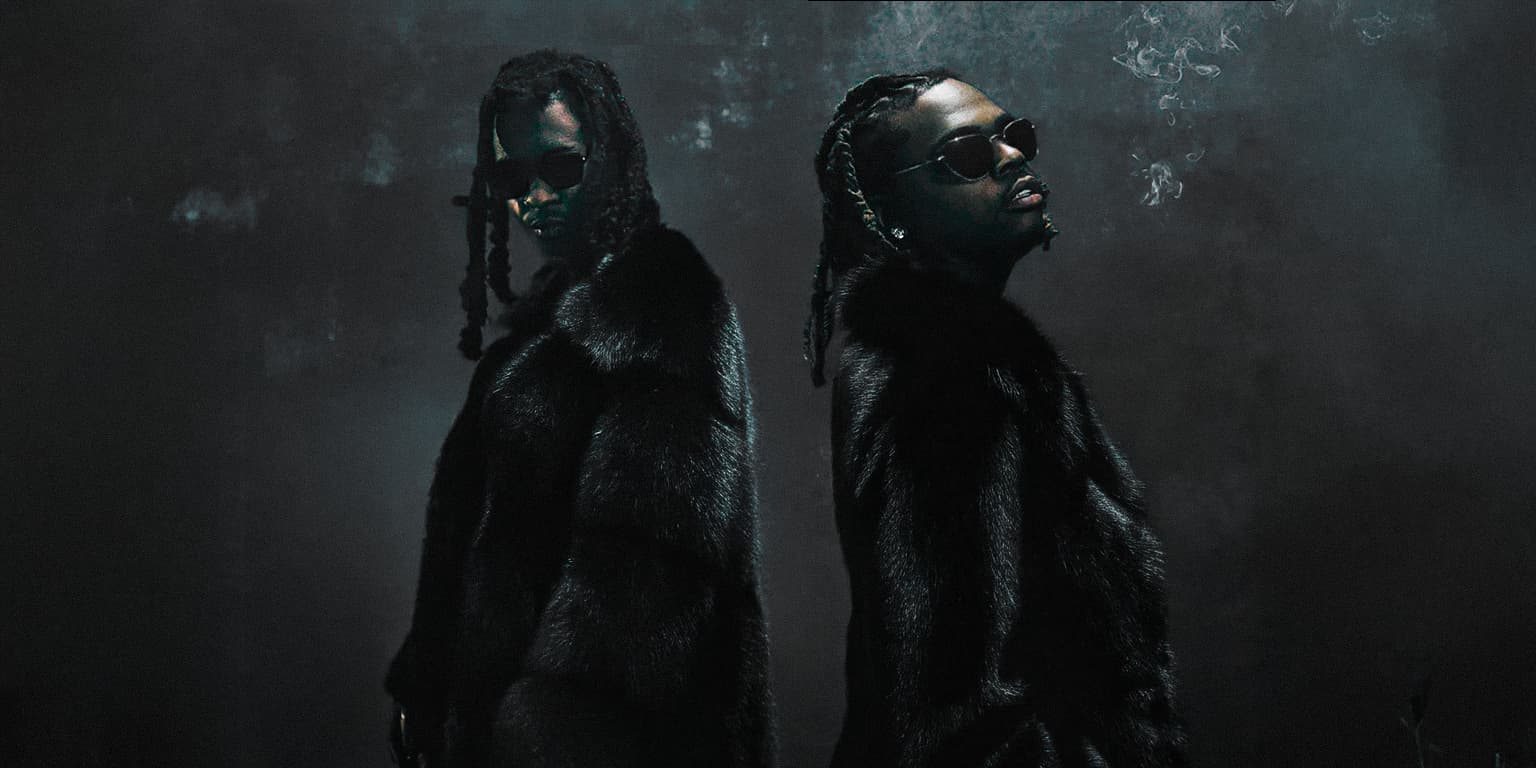
Fans noticed the YSL trial isn’t just about crime. It’s about whether rap culture’s no snitching code can survive the courtroom. Snitching in rap isn’t theory. It’s paperwork spread on the table, names circled in red, and fans screaming “rat” before the ink dries. The system is built to reward cooperation. Plea bargains, sentence cuts, informant deals. The cost is careers gutted, crews fractured, and trials turned into theater where rap lyrics in court become evidence instead of art. The YSL case with Young Thug makes it plain. The courtroom has weaponized the code, and snitching in rap is on trial for crimes real and imagined.
The streets say loyalty. The courts say deals.
The holding cell smells like bleach and fear. Ankles stiff. Stomach tight. A public defender whispers options while the clock hammers. Take the deal and go home sooner. Refuse and risk years. This isn’t about bravery. It’s a machine designed to make people fold, because trials have practically vanished. More than 90 percent of convictions come from pleas, according to the American Bar Association. That’s not justice theater. That’s the whole show.
Inside that machine, the government buys cooperation with time. The U.S. Sentencing Commission recorded 6,099 “substantial assistance” sentence cuts in 2024 under §5K1.1. Judges reward information with years shaved off. The guidelines even spell it out. Help prosecutors bury someone else and the court can go below mandatory minimums. Call it cooperation in court. Call it survival math on the block. Either way, the paperwork doesn’t lie and the incentives are loud. When the culture screams loyalty, the courthouse quietly does the math. What the streets call betrayal, the courtroom calls cooperation.
Paperwork parties are the new mixtapes.
Screens glow. PDFs load. A signature zoomed to 400 percent. Comment sections turn into juries. Fans and rivals host “paperwork parties” to prove a rapper cooperated. It’s entertainment and punishment in one swipe. Artists defend themselves by dropping filings online. T.I. literally waved his paperwork on video to kill rumors. Battle rap built entire rounds around someone else’s affidavit. Screenshots become punches. Receipts become hooks. This isn’t legal literacy. It’s spectacle built for the algorithm.
The YSL case poured gasoline on the fire. Gunna’s Alford plea wasn’t a cooperation deal. He didn’t testify against Young Thug. His lawyer spelled it out: he did not cooperate. But the internet stamped him anyway. Nuance dies online because outrage pays. Paperwork became content. Loyalty became public theater. And fans, chasing truth or blood, did the state’s work for free by turning discovery into viral ammo. Paperwork isn’t just evidence. It’s clout currency.
Rap lyrics don’t just chart. They testify. Right, Young Thug?

The beat fades and the courtroom gets quiet. A prosecutor reads bars with no rhythm like they’re sworn statements. Persona turned into proof. In the YSL case, a judge allowed Young Thug’s lyrics into evidence over defense objections. The performance of a character got treated as confession. That’s why California passed AB 2799, forcing courts to weigh prejudice before letting lyrics in. It did not end the practice. It just raised the bar. So the bias still slips through. Rap lyrics in court remain a loaded weapon.
The double standard is obvious. Johnny Cash could sing about killing a man in Reno and nobody raided the tour bus. But when Young Thug rapped about slime and sticks, the DA called it a map. Industry groups cheered the new law, and the Recording Academy called it a protection for artistic speech. Still, prosecutors adapt. They thread lyrics through timelines and surveillance like copper wire. The message is ugly. Art is free until it threatens a winning case. Then art becomes ammo and the hook becomes a charge. When rap lyrics hit the courtroom, art turns into ammunition.
Snitching doesn’t always kill careers. It mutates them.
Hate-watch streams still count. That’s the part purists don’t like. 6ix9ine cooperated, came home branded the ultimate rat, and “GOOBA” still debuted at No. 3 on Billboard. He even accused Billboard of rigging the charts when it didn’t hit No. 1. Didn’t matter. Millions watched. Attention is a currency that doesn’t care why you showed up. Outrage buys the same play count as applause.
Then look at Gunna. Branded a rat by memes after his Alford plea, he dropped A Gift & a Curse and debuted at No. 3 on the Billboard 200. Streams surged. Algorithms fed the spectacle. Respect fractured, but revenue didn’t. That’s the new split. Credibility shrinks on one side while visibility explodes on the other. Brands may hesitate. YouTube won’t. The audience mutates. The bag adjusts. And in a feed economy, relevance beats purity. Every. Single. Time. Being called a rat doesn’t end your career. It rewrites your audience.
The code isn’t dying. It’s being weaponized.
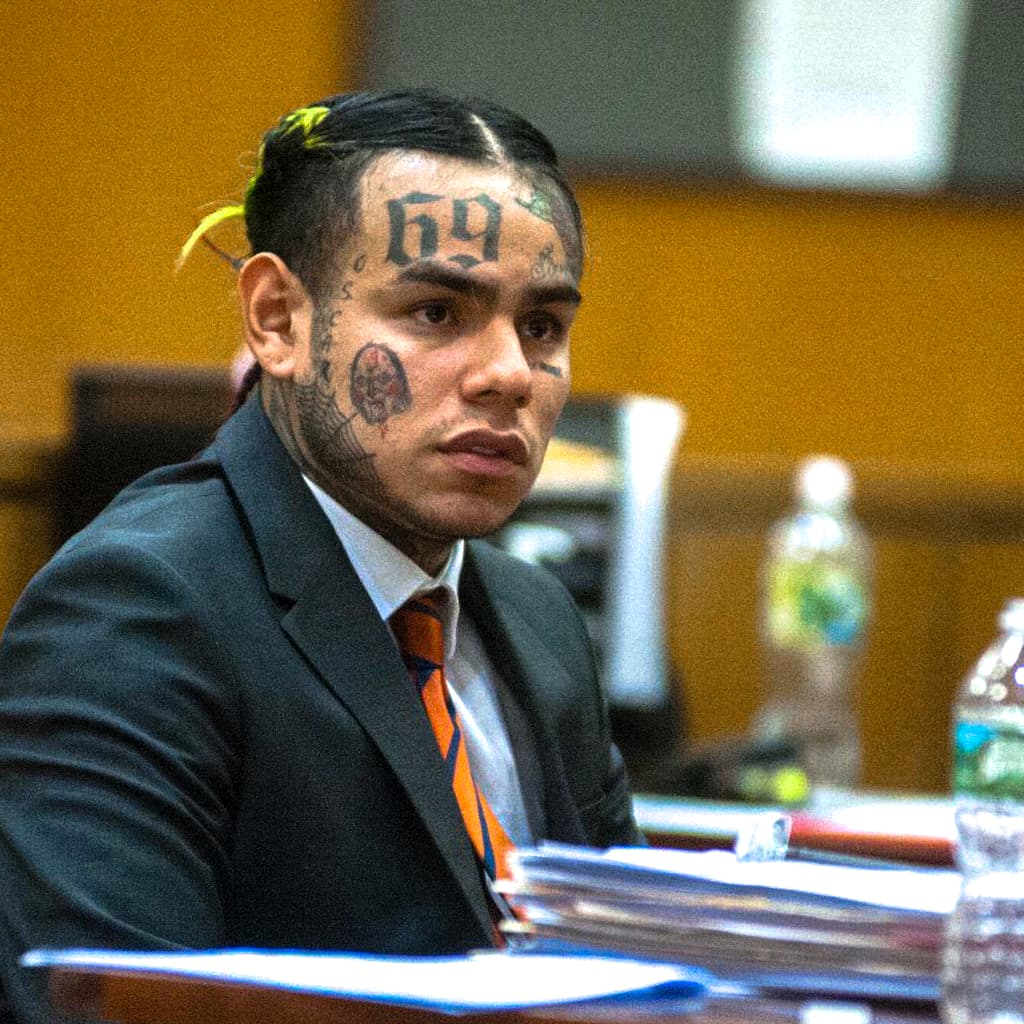
Back to the room. Back to the Young Thug headlines. Back to the YSL case sucking oxygen out of every timeline. The no-snitching code still rules the streets, but it now serves a second master. Prosecutors lean on it to split defendants. Fans enforce it to police identity. Platforms monetize it to farm clicks. Everyone eats while the artist bleeds. And every time rap lyrics in court get read like news, the state borrows culture to sell a story.
So the trap is complete. Stay silent and face the hammer. Cooperate and lose the room. Post paperwork and feed the spectacle. Either way, the same engine spins. The lesson is not that the code vanished. It’s that the system learned how to use it. The courthouse did not kill snitching in rap. It repackaged it. And the audience, addicted to receipts, keeps paying to watch. The code still runs the streets. But now it fuels the state.
 N. Fontaine