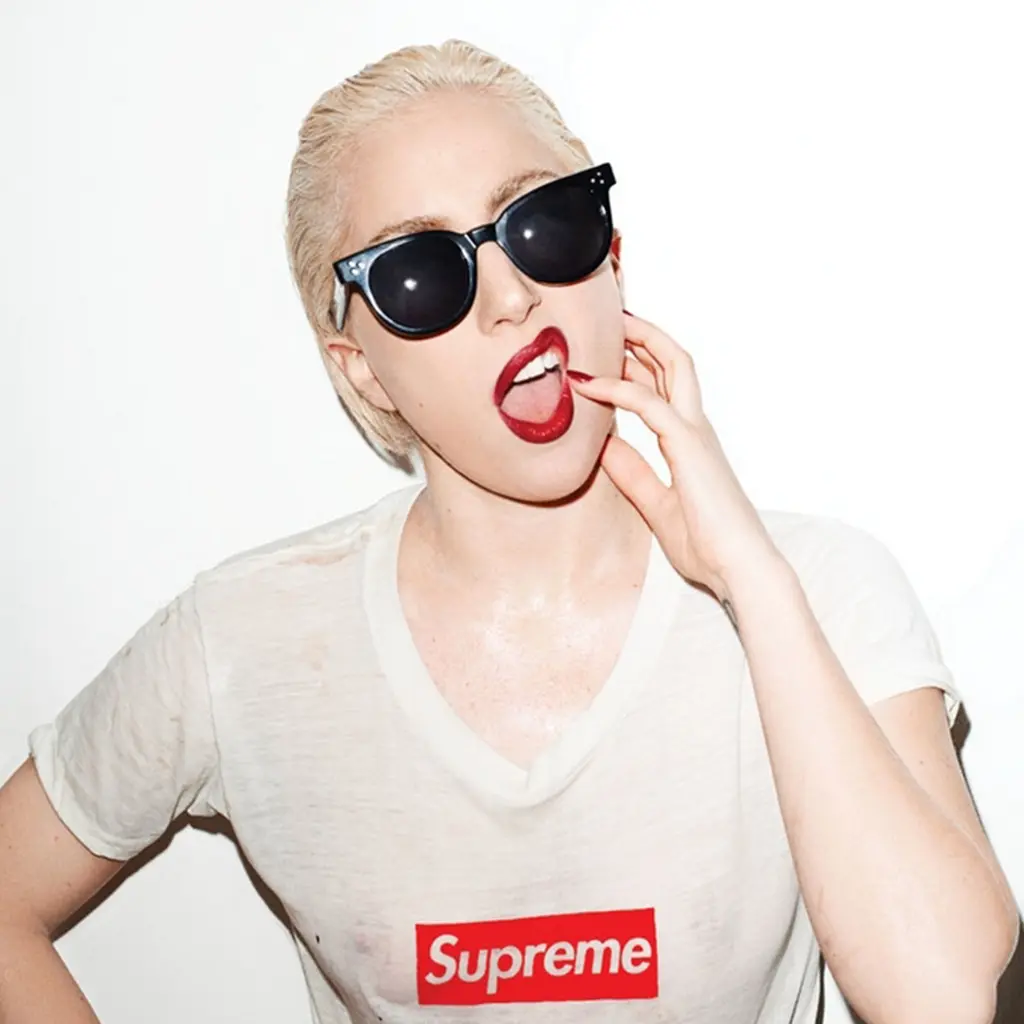
The box logo was never just a sticker. It was a flag. Kids wore it like armor. Now that flag has been sold for billions, shrink-wrapped into a corporate barcode. Scarcity was never an accident. It was the business model. And the cost is clear: fans bled out while Wall Street auctioned their culture. Supreme resale turned kids into speculators. Supreme drops became rituals wired dirty. The Supreme box logo stopped being culture. It became collateral.
The drop was never for fans. It was bait for machines.
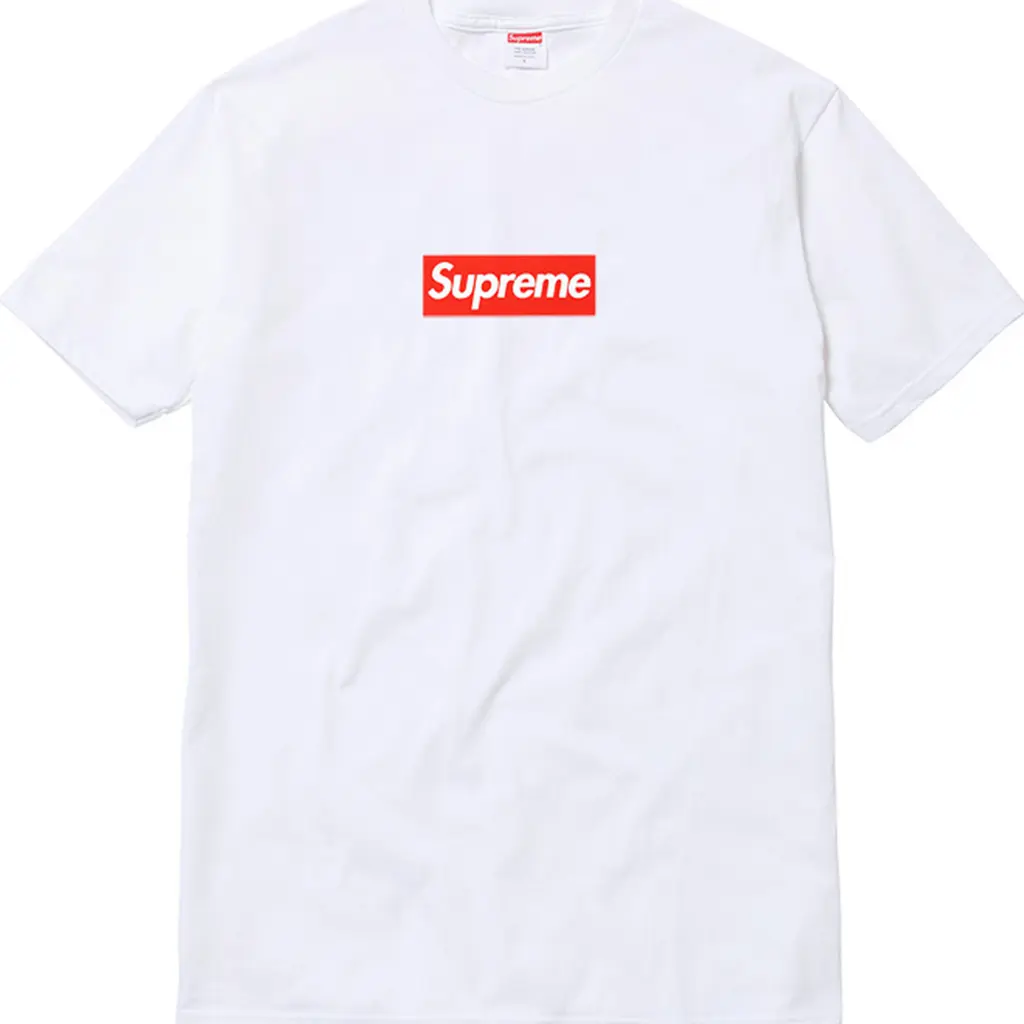
You could hear the street hum on Thursdays. The shuffle of sneakers. The smell of weed in the air. The glow of phones waiting for the site to flip from “coming soon” to “sold out” in seconds. Supreme drops were a ritual. But they weren’t for the fans. They were for the bots.
By 2017 even Wired admitted the game was lost. Coders built scripts that could check out faster than any human thumb. Brands patched. Coders adapted. The war was never fair. It was a machine feast while loyal kids starved. Fans lined up around Lafayette Street. Bots lined up in server farms. Guess who won.
Supreme turned that tension into marketing. Not everyone could get in. And because not everyone could get in, you wanted in more. That’s casino logic. The dopamine spike of maybe. The same scam slot machines pull with flashing lights and fake hope. Except now it wore a box logo hoodie.
The drop wasn’t a community builder. It was engineered exclusion. A weekly humiliation ritual where fans prayed and bots profited. The drop wasn’t a gift. It was a hunger game.
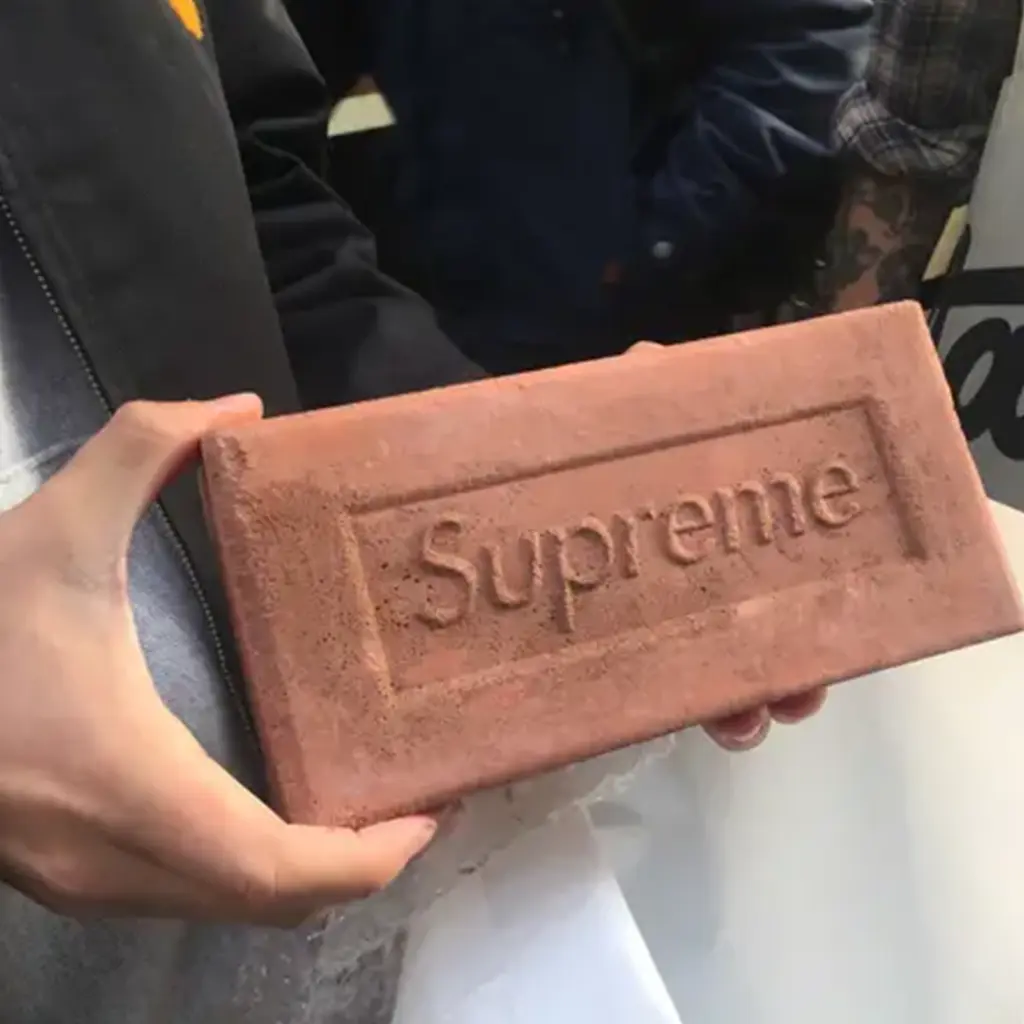
A Supreme brick shouldn’t pay rent. But hype made it currency.
You could hold it in your hand. A plain brick stamped with Supreme. It weighed like any other brick. It looked like any other brick. But it sold for a grand on resale. That’s not culture. That’s a punchline turned into an ATM.
Supreme figured out the sickest trick in retail. Turn absurdity into scarcity. Oreos dyed red became a five-figure bidding war on eBay. A crowbar resold like it was a weaponized artifact. People laughed at the memes. But the company laughed louder at the profit. Hype wasn’t a side effect. It was the product.
Auction houses legitimized the circus. Christie’s and Sotheby’s treated box logo tees like Warhol prints. Christie’s sold an archive of Supreme for millions. A hoodie was no longer clothing. It was an asset. Culture turned into collateral. The absurd made investors rich. Fans just wanted to wear it. They became props in the resale game.
The joke was never on Supreme. It was on you. You bought into the meme and called it culture. They cashed out. The brick wasn’t a joke. It was a business plan.
The logo stopped being culture. It became collateral.
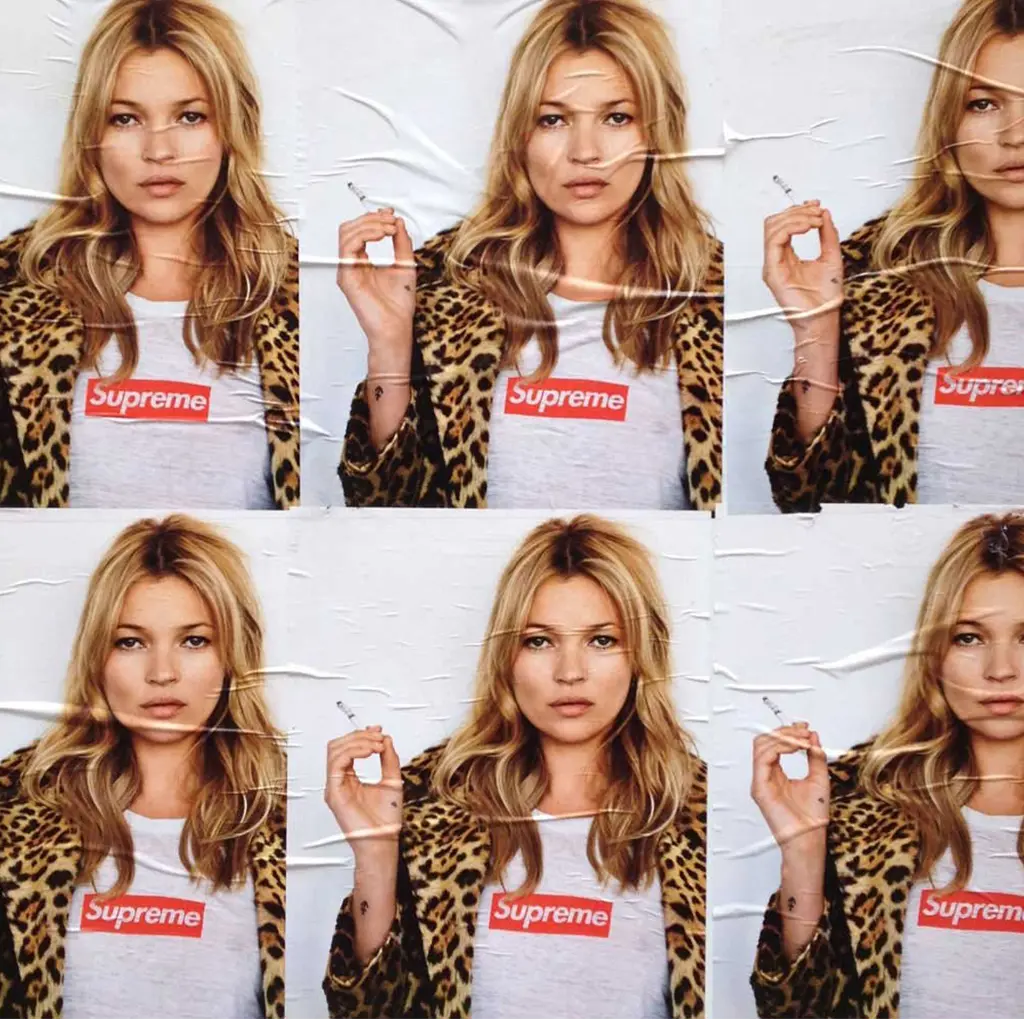
The Supreme box logo started on Lafayette Street. It was a flag for skaters who wanted to be seen. Now it’s a line item on a corporate balance sheet. VF bought it for $2.1B in 2020. EssilorLuxottica scooped it for $1.5B in 2024. A red rectangle shuffled between conglomerates. That’s not culture. That’s collateral.
The companies swore they’d “preserve the brand.” What they meant was preserve scarcity just enough to keep shareholders fat. VF’s reports listed 17 stores. EssilorLuxottica slotted Supreme next to Ray-Ban like a collectible sticker in a portfolio. Skateboarding’s rebellion filed next to sunglasses. That’s synergy for Wall Street. For the fans, it’s a gut punch.
Ownership killed the myth. Supreme wasn’t underground. It was always wired dirty for acquisition. Every logo became intellectual property. Every drop became a data point for future profit. Fans saw culture. Corporations saw collateral.
The red rectangle is no longer a flag. It’s a barcode. A billion-dollar asset traded by suits who never lined up once. The logo was never for you. It was collateral.
Resale isn’t community. It’s a tax on the desperate.
StockX called it culture. Fans called it robbery. A Supreme tee retailed at $38. It flipped to $728 during the 2020 Murakami charity drop. The Guardian covered it like philanthropy. In reality, it was profiteering dressed up as giving. The resale market didn’t protect Supreme. It cannibalized it.
Secondhand fashion is projected to hit 10 percent of the global market by 2025. ThredUp calls it growth. Supreme sits dead center. Hoodies turned into futures contracts. Tees became stock tickers. People didn’t buy to wear. They bought to flip. If you couldn’t afford the resale premium, you were priced out. Community became a cash grab.
Auction houses made it worse. Christie’s ran box logo sales like Sotheby’s runs diamonds. That shift crowned speculation as the new authenticity. The question wasn’t “is this drop good.” It was “what’s it worth.” And if you couldn’t play the speculation game, you weren’t in the culture.
Supreme resale turned culture into debt. Kids weren’t buying hoodies. They were paying hype tax. Resale wasn’t community. It was a hype tax.
Scarcity wasn’t a glitch. It was the scam all along.
Supreme told you scarcity meant cool. That it was proof of authenticity. That the Thursday ritual was about community. That the box logo was a flag. But scarcity wasn’t proof of culture. It was proof of manipulation.
Every move screams the same scam. Drops designed for bots. Collabs engineered for memes. Acquisitions priced on hype, not heritage. Resale framed as culture while kids bled rent money. Scarcity wasn’t accidental. It was deliberate. It was the hook that kept you hungry while corporations ate.
The flag became a barcode. The logo became collateral. Streetwear became speculation. Fans became fodder. Scarcity wasn’t the glitch. It was the business plan.
And the plan never cared if you wore it. It only cared if you paid. The box logo was never a flag. It was always a price tag.