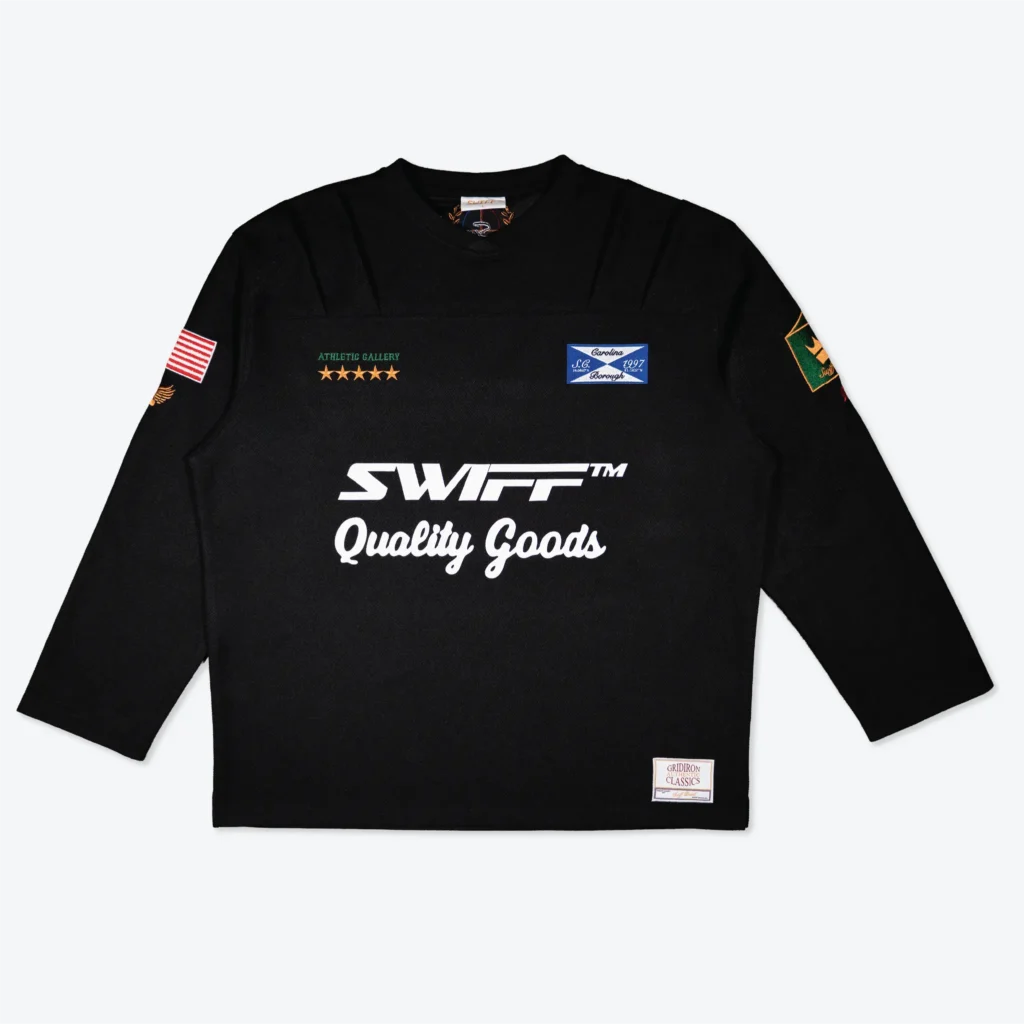
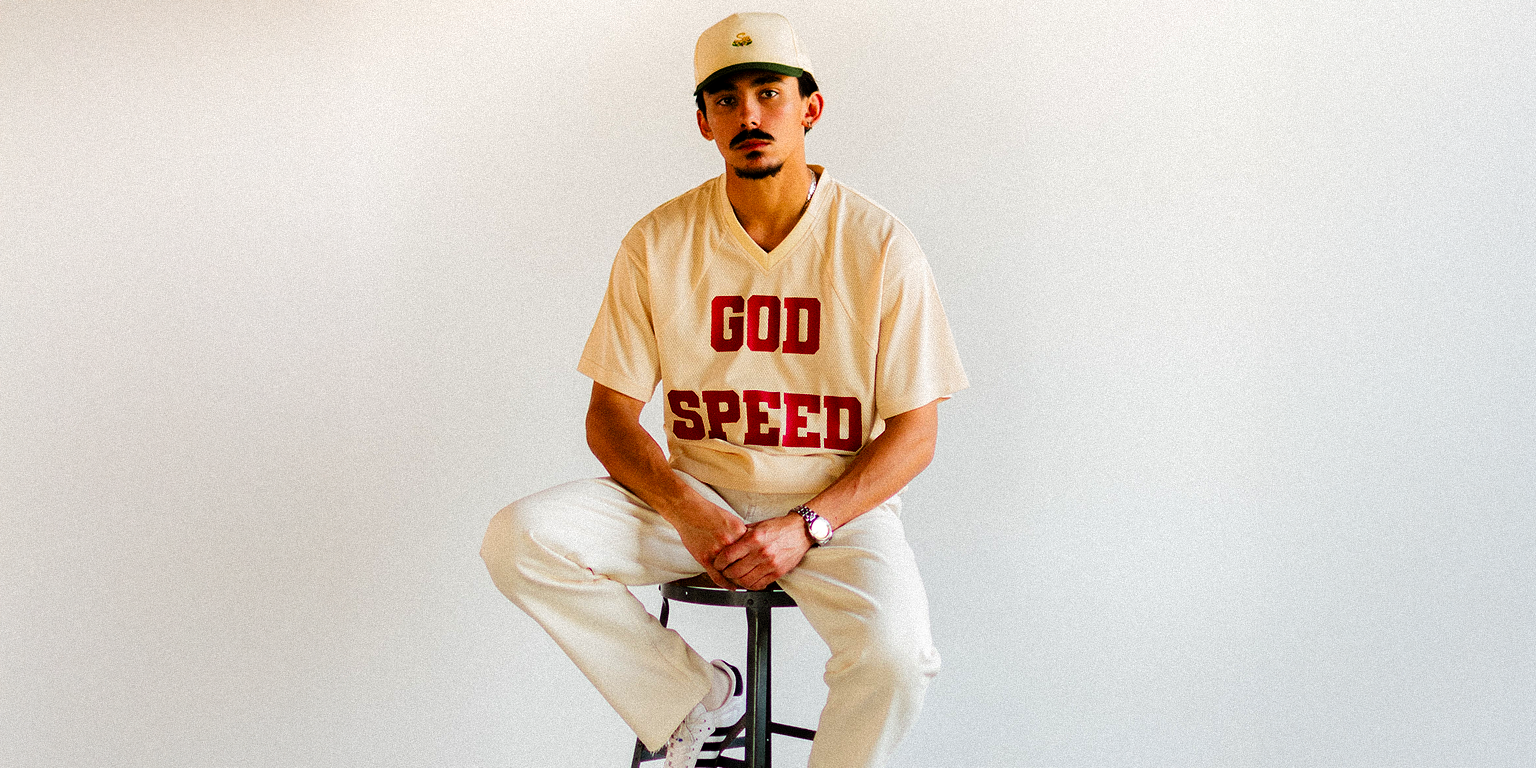
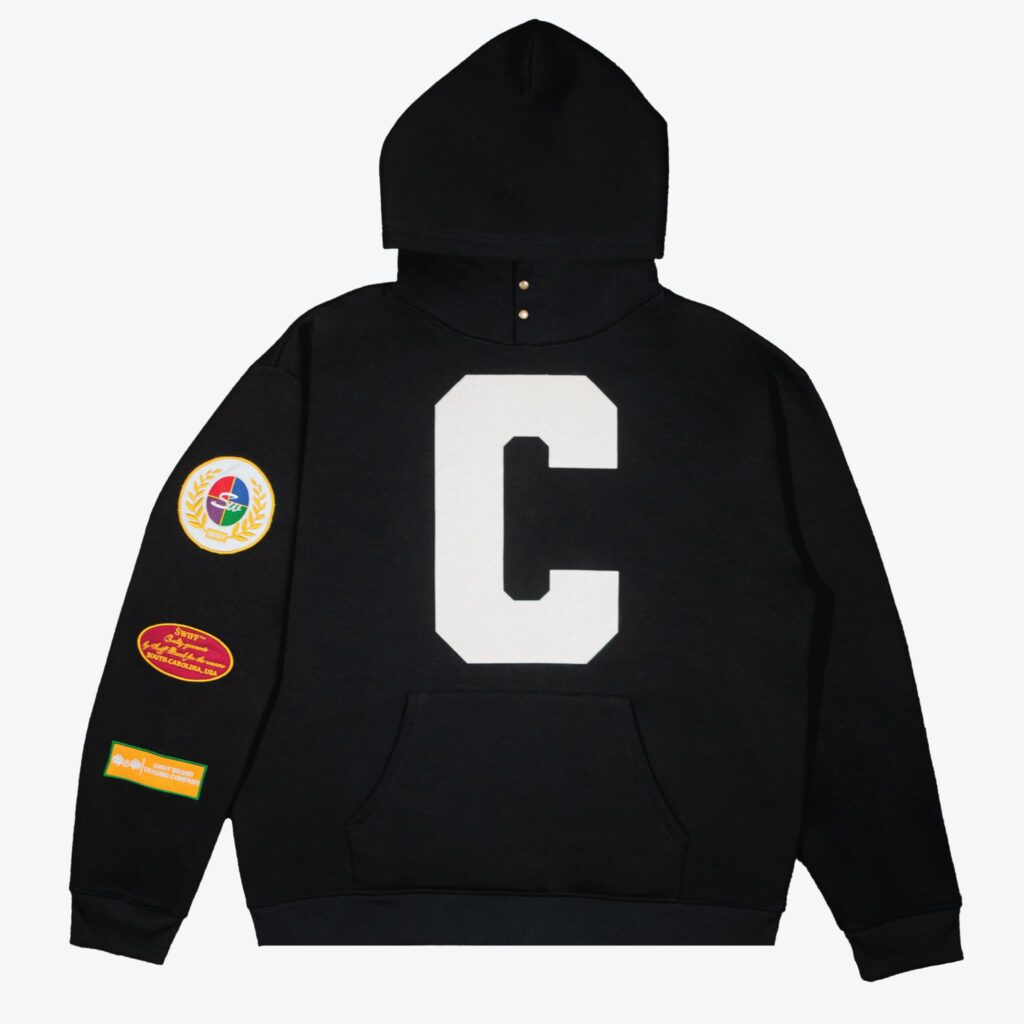
Streetwear is rotting in real time. The mall brands cloned each other into beige oblivion while Instagram turned every hoodie drop into a dopamine show. Kids are choking on uniform drip and calling it culture. SWIFF brand didn’t wait for permission. It burned the script and built South Carolina streetwear into a war cry instead of a mall display. The God Speed hoodie and every limited drop that follows prove the South ain’t silent.
Sold out is the only love letter left.
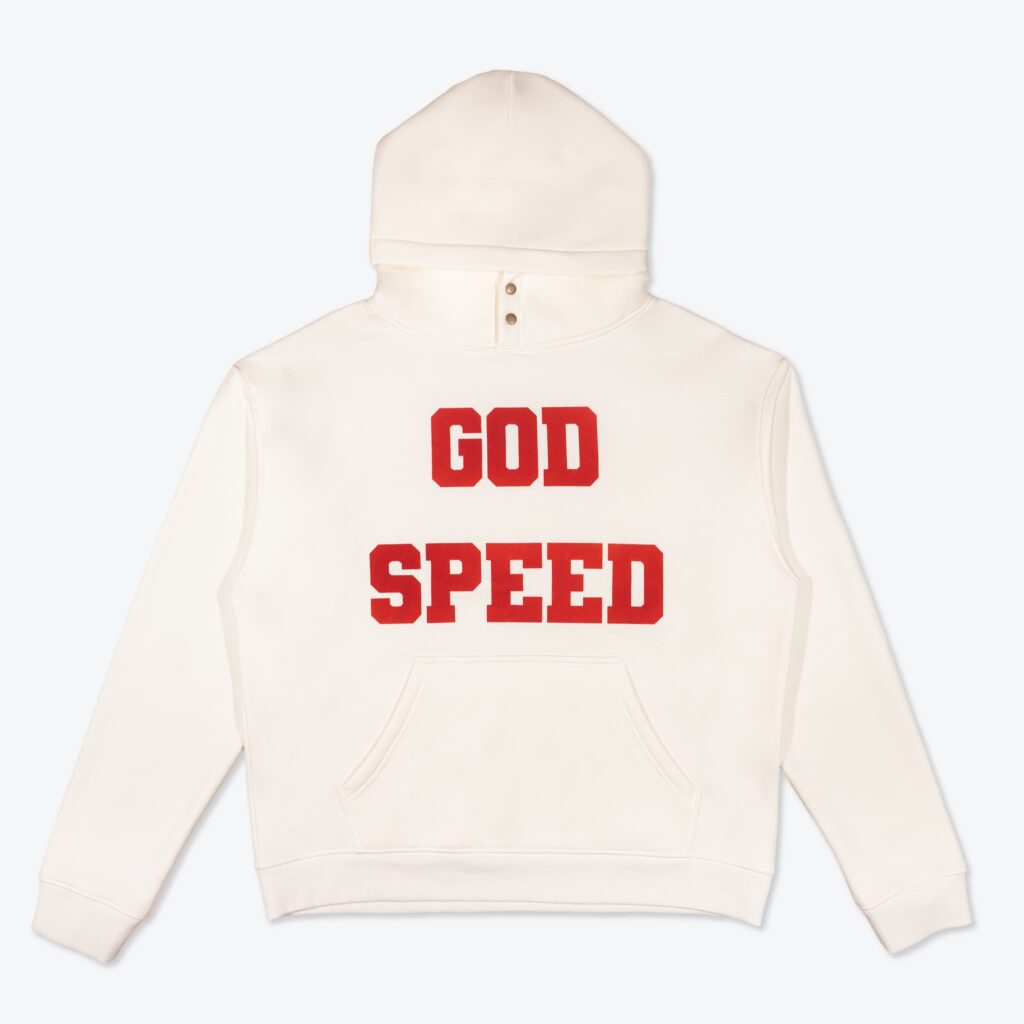
Open the SWIFF site and your stomach tightens. The clock is invisible but you feel it anyway. Limited inventory. No restocks. It’s a test of reflexes, not wallets. Missing feels worse than taking another SNKRS app L, because here there’s no resale safety net.
Scarcity works because it rewires your body. Palms sweat. Pulse spikes. Buying becomes a sport. Most streetwear giants fake scarcity: overproduce, then mark down. SWIFF doesn’t. When it says “no restocks,” it means extinction. Every God Speed hoodie feels heavier because you held your nerve. Scarcity isn’t a gimmick. It is proof.
They don’t restock because culture shouldn’t feel like clearance.
South Carolina made this hoodie hit harder.
Heat. Humidity. College football chants echoing from cracked windows. That’s the South that raised SWIFF. Columbia isn’t a shadow of the coasts. It’s its own storm. SWIFF weaves that defiance into every hoodie, jersey, and drop.
The Western Hoodie doesn’t look coastal. Suede elbows. Paneled stitching like a fight scar. Coastal labels chase moodboards. SWIFF drags local reality into its seams. Reels don’t hide the accent—they amplify it. Every drop is both product and manifesto: Columbia is louder.
Columbia isn’t the underdog. It’s the launchpad.
Community isn’t merch. It’s blood.
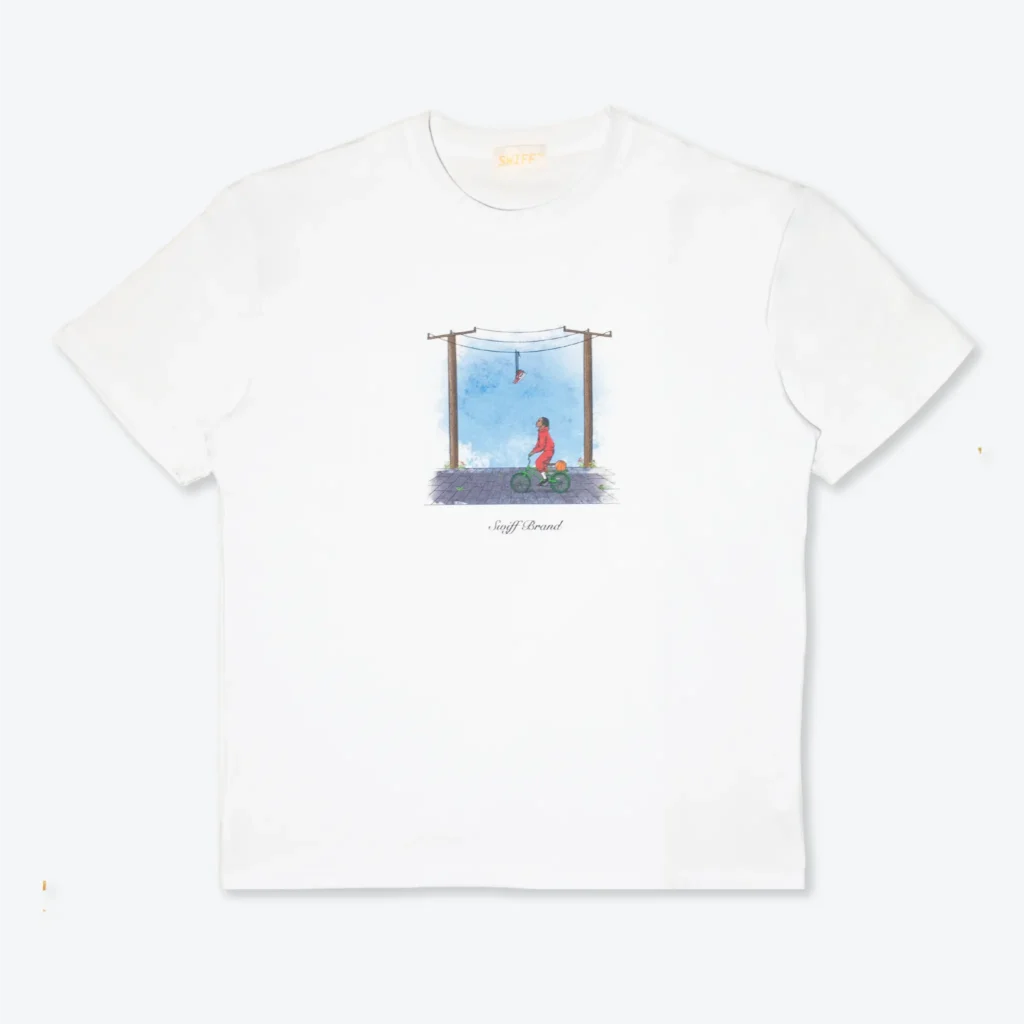
Community isn’t hashtags. It’s faces. Scroll SWIFF’s feed, and you see the founder more than any ad graphic. You hear his voice. You see in-house models who look like the kids buying the clothes. That’s not marketing. That’s blood circulation.
Brands try to sell you belonging with sterile slogans. SWIFF sells it by showing up. Those reels? Not commercials. Sermons. Each one pulls you closer, like someone handing you the Practice Jersey in a locker room instead of through a screen.
That connection matters. Scarcity gets you to click fast. Community makes you stay. SWIFF knows both. The mall built mannequins. SWIFF builds teammates.
You don’t buy SWIFF. You get drafted.
Quality is the last flex money can’t clown.
Fast fashion buries 92 million tons of textile waste every year. That’s the scale we fight.
Read a product page. Brushed fleece. Velvet texture. Double-snap hood. Washing instructions spelled like commandments. This isn’t filler fabric. It’s built to last past the scroll.
The God Speed hoodie at $98 isn’t cheap. But cheap is death. A mall hoodie for $20 dies after three washes. SWIFF pieces survive seasons. This is the rebellion left—not hype scams. Not disposable vibes. Real quality earns respect.
Ninety-eight bucks isn’t expensive when cheap eats your soul.
The mall died. SWIFF wrote the obituary.
The Harden Street storefront opened in Five Points at 736 Harden St. as a real space. When they closed it, people saw loss. I see method. The mall is a graveyard: food courts hollow, brands ghosted, mall culture dying. Generation Z left it behind years ago. TikTok is the new mall.
Pivoting online wasn’t retreat. It was evolution. No rent chains. No mall zombies. Sharper drops, louder voice, wider reach. Every limited drop rings like a funeral bell for fast fashion. Each reel louder than the mall PA ever was.
SWIFF didn’t lose the storefront. It killed the mall.