
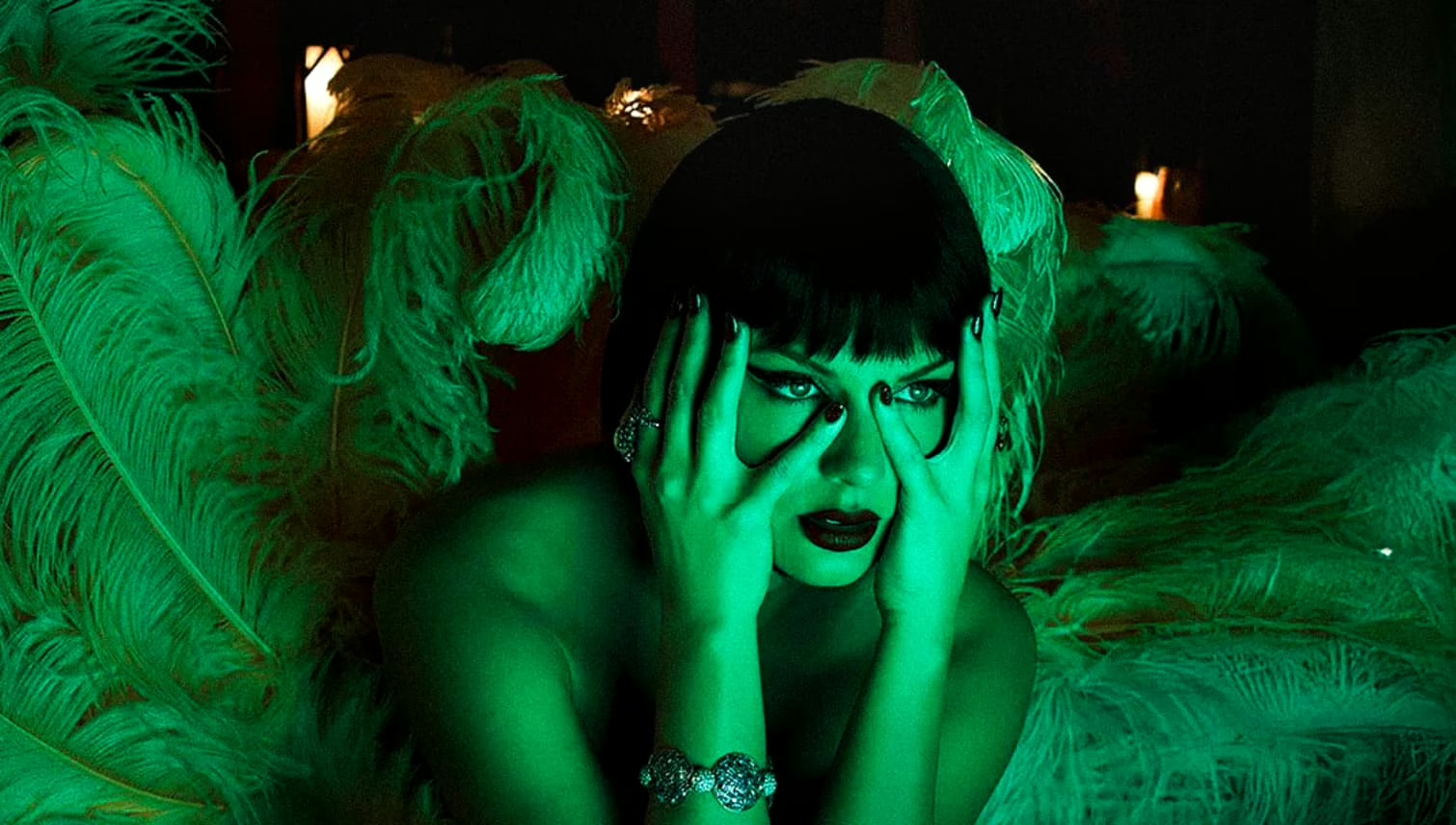
Taylor Swift is not just selling burnout as glamour. She’s selling you the privilege of funding her sainthood.
Taylor Swift isn’t telling your story. She’s selling you to her merch table as a showgirl.
Taylor Swift launches her new era with The Life of a Showgirl. But it’s not empowerment. It’s burnout glamorized. Intimacy monetized. And the same old chains spray-painted gold. The album drops October 3, 2025. Showgirl mythology gets a facelift. And you get a front-row seat to your own exploitation.
She’s not backstage. She’s in a cage made of spotlight beams. The sequins are currency. The smile is product placement. And the exhaustion? That’s the whole aesthetic. Perfume it. Press it to vinyl. Sell it in four limited-edition colorways before the body collapses.
“Capitalism doesn’t glitter. It devours.”
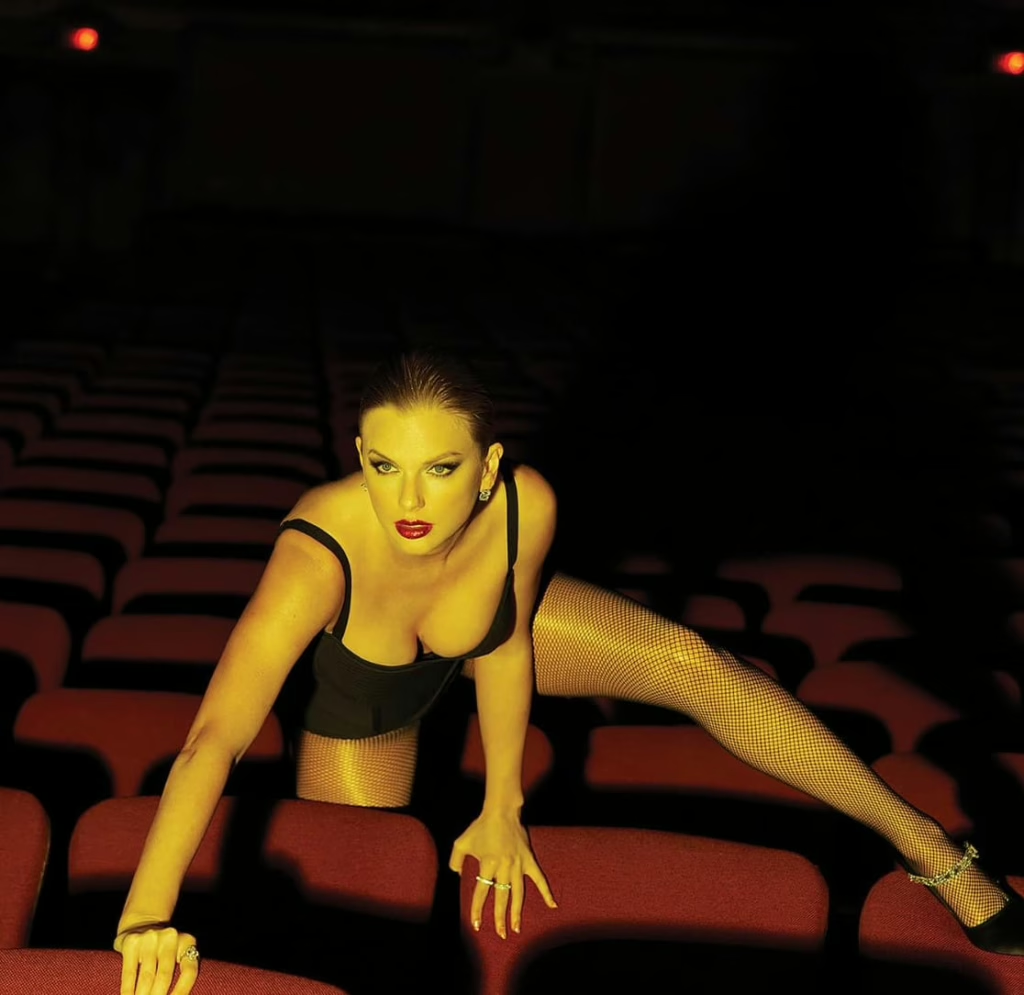
This isn’t an album rollout. It’s a corporate pageant in drag as self-liberation. The “showgirl” branding isn’t reclamation. It’s the Vegas trick. Make captivity look like luxury. Taylor’s feathers might be metaphorical. But the logic is the same. Keep moving. Keep smiling. Keep selling. Even if the bruises are just out of frame. And the smile? That’s not for her. It’s for you. Or at least the version of you the brand keeps in its CRM. Ready to be sold intimacy on demand.
The Vegas showgirl was engineered for the male gaze. Her body was choreography. Her life was a schedule she didn’t write. Those women danced until their ankles gave out and their smiles calcified. The public saw only the glitter. Never the grind. Taylor Swift’s new showgirl era resuscitates that corpse. Dresses it in mint green and orange. And calls it empowerment. But now the gaze has been personalized. Not a faceless crowd. But millions of individual fans convinced the wink is for them.
Fans will insist she’s “owning the narrative.” But you can’t own the narrative when you’re still speaking the language of your captor. The Life of a Showgirl is textbook postfeminist branding. Agency as costume. Objectification as choreography. Capitalism as confetti cannon. The hooks are sugar. The hooks are also steel. And the steel is forged from parasocial attachment. The slow, subtle conditioning that your loyalty keeps her alive.
“The cage isn’t just built for the gaze. It’s built for you to believe you’re the reason Taylor Swift stays inside.”
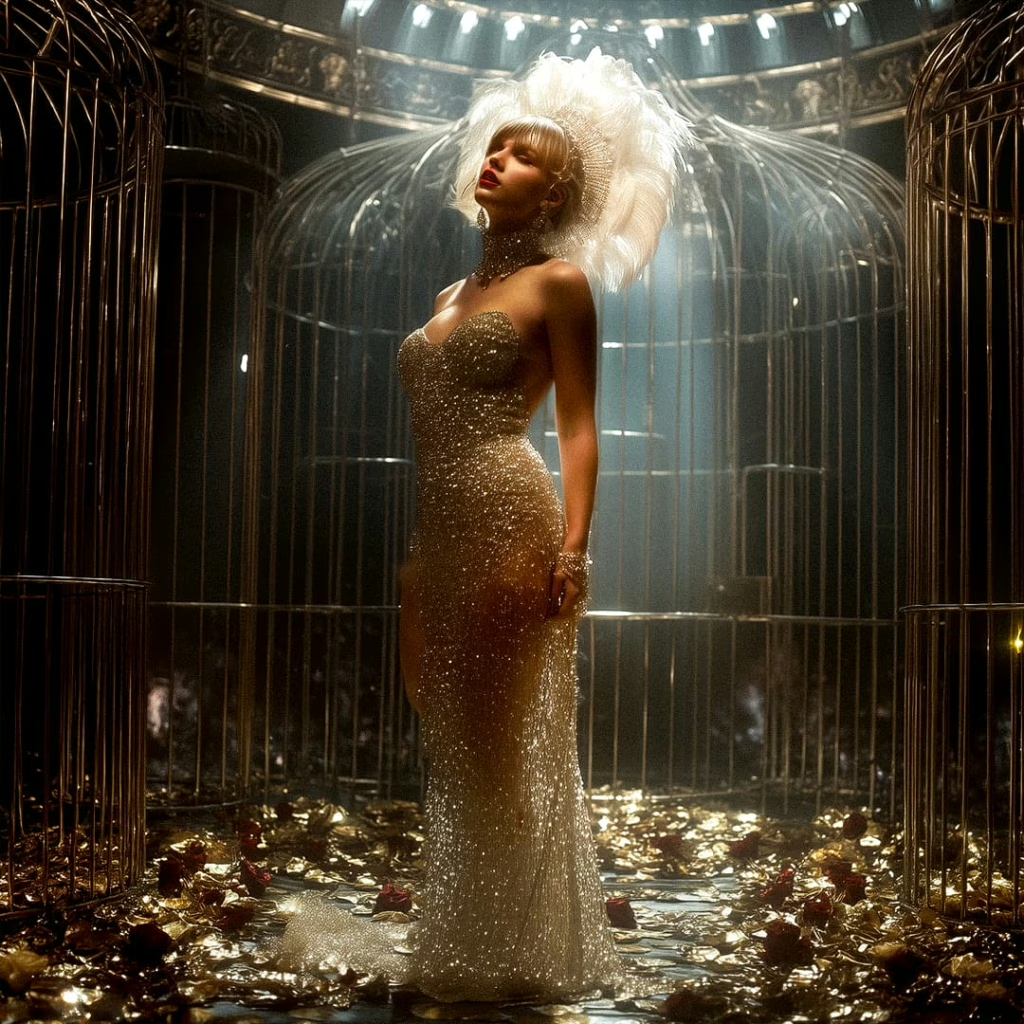
Taylor Swift’s official store is already selling a vinyl variant called “Sweat and Vanilla Perfume.” An accidental confession. She’s bottling labor and marketing it as scent. That’s the thesis of showgirl capitalism. Turn the physical cost into a collectible. Make exhaustion aspirational. And in the parasocial economy, exhaustion becomes a love letter. “I’m doing this for you.” So you’ll keep paying to watch it happen again.
“This is commerce. Dressed as devotion.”
This isn’t art divorced from commerce. This is commerce dressed up as art. The rollout’s built on strategic ambiguity. A fake mystery around the release date to keep pre-orders humming. The “mint briefcase reveal” on her boyfriend’s NFL podcast wasn’t romance. It was a market merger. Football and Swifties in the same funnel. More eyes. More variants. More vinyl. More emotional buy-in from fans who believe they’re part of the plot.
And the vinyl itself? Environmentalists have already shredded the “multi-variant” model as a waste machine disguised as fandom. Billie Eilish called it “wasteful”. And researchers at Northeastern University confirmed she’s gamifying vinyl collecting. But the waste is the point. Scarcity theater drives sales. Every orange glitter pressing is another spin of the scarcity treadmill. Every color variant is a little proof of love for the fan who buys all six. A receipt that says “I matter to her.”
Pause. Let’s talk about the actual job she’s branding.
Being a showgirl wasn’t an endless champagne shower. It was six nights a week. Two shows a night. Injury rates hitting up to 90% over a career. And a constant requirement to radiate joy while your joints screamed. This is emotional labor in rhinestones. The enforced smile as part of the supply chain.
“Taylor Swift is the tour empire that runs on burnout. And this showgirl proves us right.”
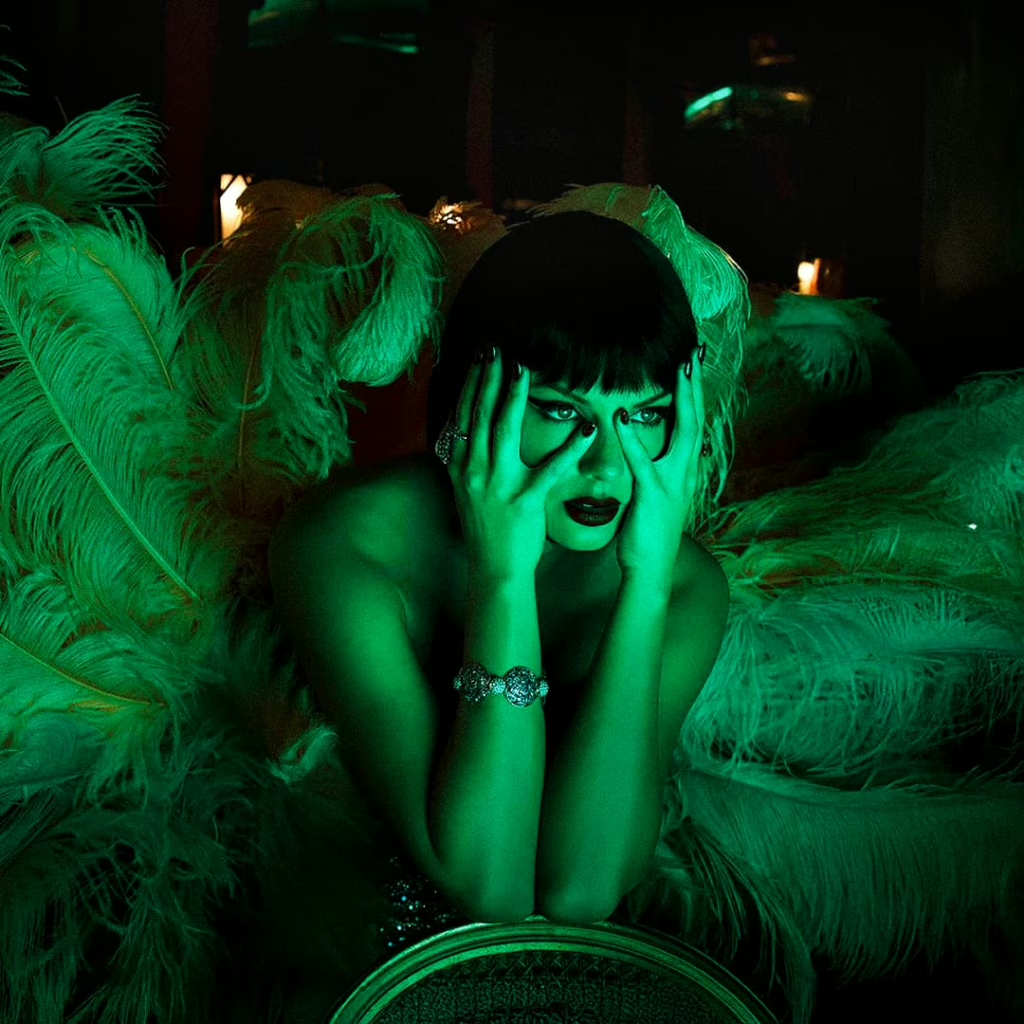
The mental health toll on touring artists is documented. High rates of depression. Burnout. Suicidality. Taylor Swift has built an empire on marathon tours. The Eras Tour grossed over $2 billion. Now she’s monetizing the aesthetic of that grind. She’s not showing the collapse. She’s selling the sparkle that hides it. And in doing so. She’s feeding the fan fantasy that they’re the reason she keeps going. Making them complicit in the wear-and-tear. And yeah… if you’re still buying every variant. You fucking are.
“Every vinyl variant is a receipt that says ‘I matter to her.’ And that’s how the machine eats you.”
The “empowerment” frame collapses when you remember who owns the stage. A showgirl — whether in Vegas in 1979 or in a stadium in 2025 — exists at the mercy of ticket buyers, promoters, merch pipelines, brand partners. The performance of agency is part of the gig. That’s why The Life of a Showgirl works so well as a product. It convinces you the cage is couture.
Taylor Swift’s fandom will call it meta-commentary. Academics call it “choice feminism.” The idea that anything a woman chooses is inherently feminist. Even if it’s in service of the same old power structures. In practice, it’s capitalism in a new dress. And parasocially, it’s weaponized intimacy. Every lyric. Every wink. Every staged reveal saying. I’m doing this for you. That’s not liberation. That’s love as logistics.
And here’s the myth-making they won’t see coming.
The Life of a Showgirl isn’t just branding an album. It’s future-proofing a legacy. This is how you pre-write your own obituary. Taylor Swift is casting herself as the last great entertainer. The one who danced until the curtain dropped. The one who “gave everything.” When the burnout comes. And it will. The narrative is already cemented in glitter.
It’s legacy laundering. Take the ugliest parts of the grind. Glamorize them in real time. And sell them back to your fans so that history remembers the beauty. Not the bruises. Years from now. The documentaries will frame Showgirl as an act of devotion. Not a blueprint for exhaustion. That’s the long con. Not just selling the show. Selling how the show will be remembered.
This is the part where someone says. “But she’s in control.” Sure. In control the way a Vegas headliner is “in control” of her choreography. The set list is hers. The economics aren’t. When your face is a GDP. Every emotion is inventory. When your audience feels like your confidants. Their devotion becomes the infrastructure. When your brand becomes your biography. The only way to keep the myth alive is to never step off the stage.
So here’s the truth under the rhinestones. The Life of a Showgirl isn’t rebellion. It’s rebranding. It’s the most expensive mask in pop music. Designed to make you clap for the labor it takes to keep wearing it. It’s intimacy for sale. It’s sainthood on layaway. We’ll keep buying because we want to believe the show is for us.
And maybe it is. Just not in the way you think.
 N. Fontaine