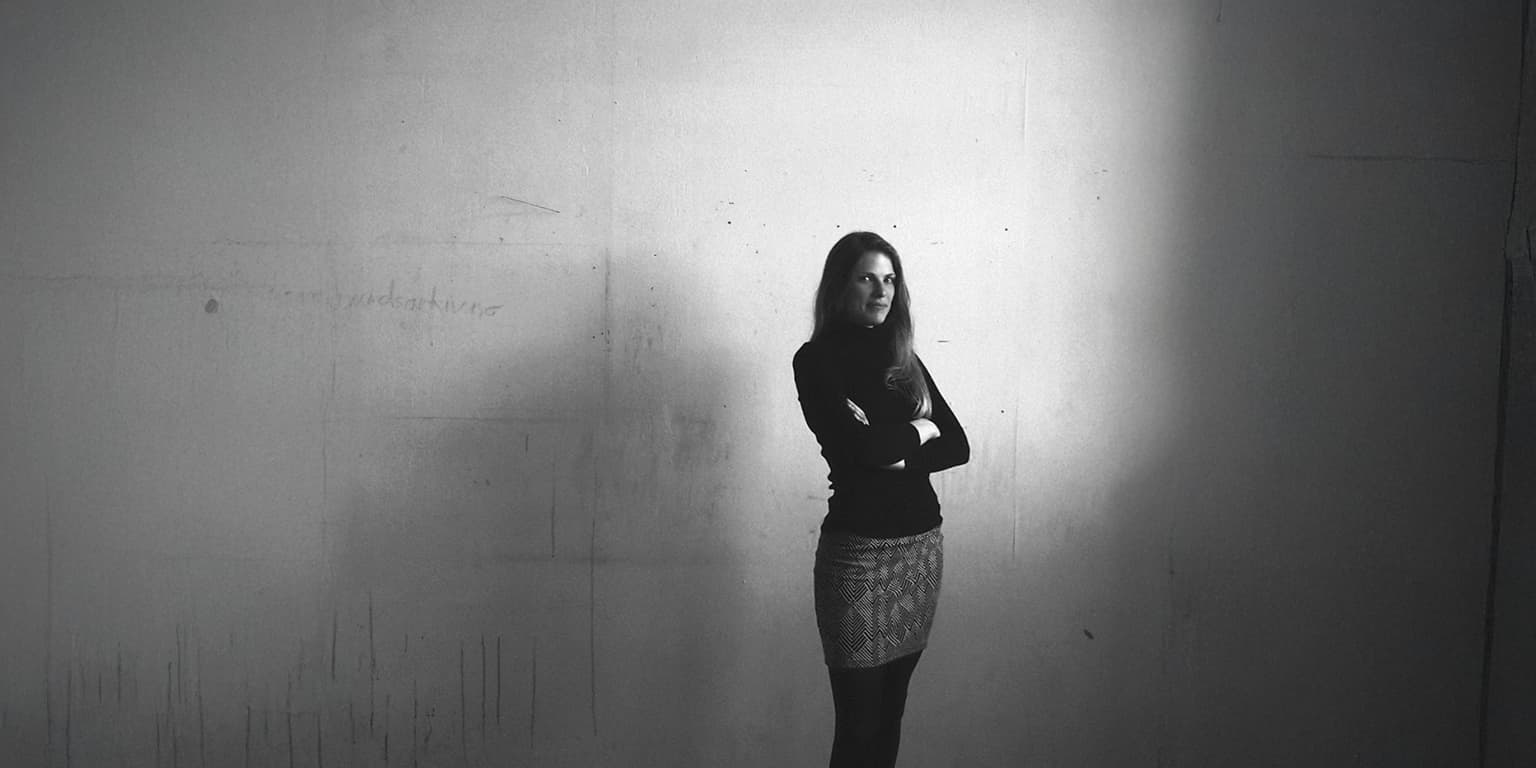
Lithography was supposed to be extinct. A dead language locked in stone presses and academic studios. Valerie Syposz drags it into the kitchen with foil and cola, ripping the keys from the gatekeepers and handing them to anyone with a table. The system says this is access. The truth is sharper. Access comes with a toll, and every toll rewrites who gets to call themselves an artist. Call it kitchen lithography. Call it home lithography. Either way it still cuts.
She made a dead medium breathe again.
The hiss of cola on foil smells like metal and sugar. The print lifts with a snap that feels violent. This is not nostalgia. This is resurrection by force. Valerie Syposz pushes kitchen lithography like it is survival, not ceremony. She makes the medium misbehave again.
Lithography used to sit embalmed in academic studios. Professors treated it like relics. Students looked but did not touch. Then Syposz cut the ritual. She proved you can print on your kitchen table with foil and soft drink. That audacity matters. She didn’t wait for approval. She pulled the sheet and showed the corpse was still warm.
The process existed before her. Émilie Aizier hacked it in 2011, calling it a fast and non-toxic lithography method using cola and foil. But Syposz weaponized it. She turned a hack into a pedagogy. She made workshops into Trojan horses. She dragged museums and fairs into the chaos.
That is the praise. She took something written off as dead and made it dangerous again. She turned lithography from a fossil into a firestarter.
DIY isn’t free. It’s just a different currency.
The marketing screams liberation. Ten plus hours of Simple Home Lithography with no press and no lab. That feels like freedom. But then comes the bill. Every unlocked skill costs because survival always does. Liberation has a receipt.
Syposz doesn’t pretend otherwise. She charges for her course because labor isn’t free. She sells editions in her shop because making prints costs more than sweat. She reopens enrollment like sneaker drops because urgency sells. She treats art education like a hustle because that’s what it is.
The bigger machine is corrupt. Tuition crushes students. Studios hide presses behind locked doors. So Syposz reroutes the toll. You skip the dean. You pay the maker. You skip the gatekeeper. You pay the artist. It isn’t free. But it’s cheaper. And it’s honest.
This is the contradiction. DIY does not erase money. It changes who gets it. And Syposz makes sure it goes to her. That’s not greed. That’s survival. She gave you the keys, but the lock still costs.
Non-toxic is a slogan. Not a science.
Cola etches the plate and leaves your kitchen smelling like a candy factory. That sounds safe compared to acid baths. But safety is a spectrum. Printmaking always stains. Aluminum does not disappear. Ink does not dissolve. Non-toxic is a pitch, not purity.
Institutions and labs chase cleaner methods because artists keep getting sick. Zea Mays Printmaking has documented technical research into safer solvents and inks. Others test waterless lithography as a way to ditch volatile chemistry. Safer methods exist. But none erase the footprint. Every “solution” still leaves residue.
Syposz uses this contradiction to her advantage. Her home lithography method lowers the risk. It strips away the acid tanks and the stone slabs. Students can work without gas masks. But the work still marks the sink. It still fills the trash with plates. It still leaves chemical ghosts on your hands.
That is the hidden truth. There is no such thing as harmless making. Art leaves scars even when it pretends to heal. Every safe process still stains.
You don’t infiltrate the museum. You Trojan horse it.
Picture a Victorian hall filled with dinosaur bones. Now picture a foil plate on a folding table inside it. That’s not a dream. The Oxford University Museum of Natural History lists Valerie Syposz teaching a kitchen lithography workshop on its event calendar. That’s infiltration disguised as education.
The same play runs at the Woolwich Contemporary Print Fair. The fair boasts a 50–50 split between independent artists and galleries. They call it balance. But Syposz slips into that slot with cola and foil. She turns a commercial fair into a stage for DIY subversion. The audience hears the hiss and smells the ink. The ritual breaks.
Institutions need her. Without her, lithography is museum dust. With her, it is chaos with a pulse. They pretend this is collaboration. But the truth is dependency. They need her more than she needs them.
That’s the Trojan horse. She plays their game to expose the lie. She makes them look generous while proving you don’t need their walls. She isn’t accepted. She’s smuggled in.
Lithography was never dead. It was buried alive.
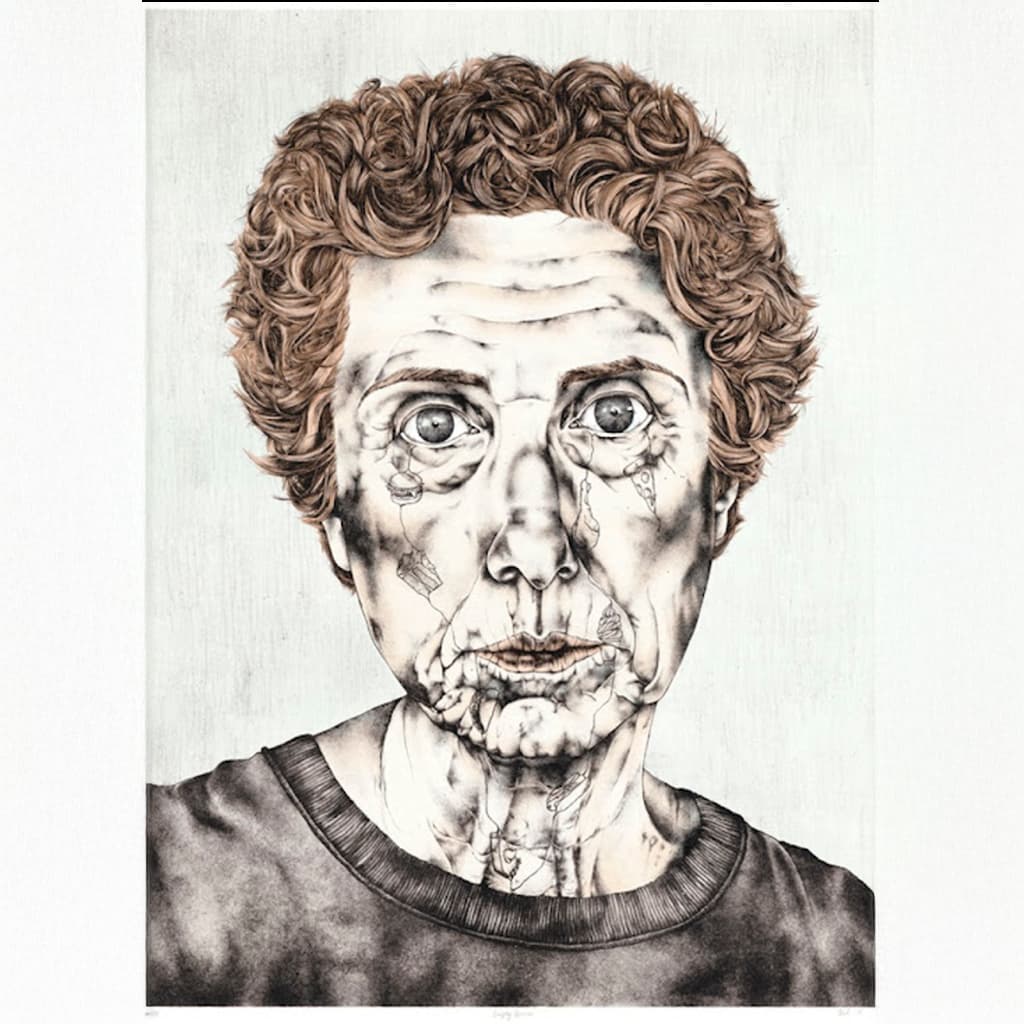
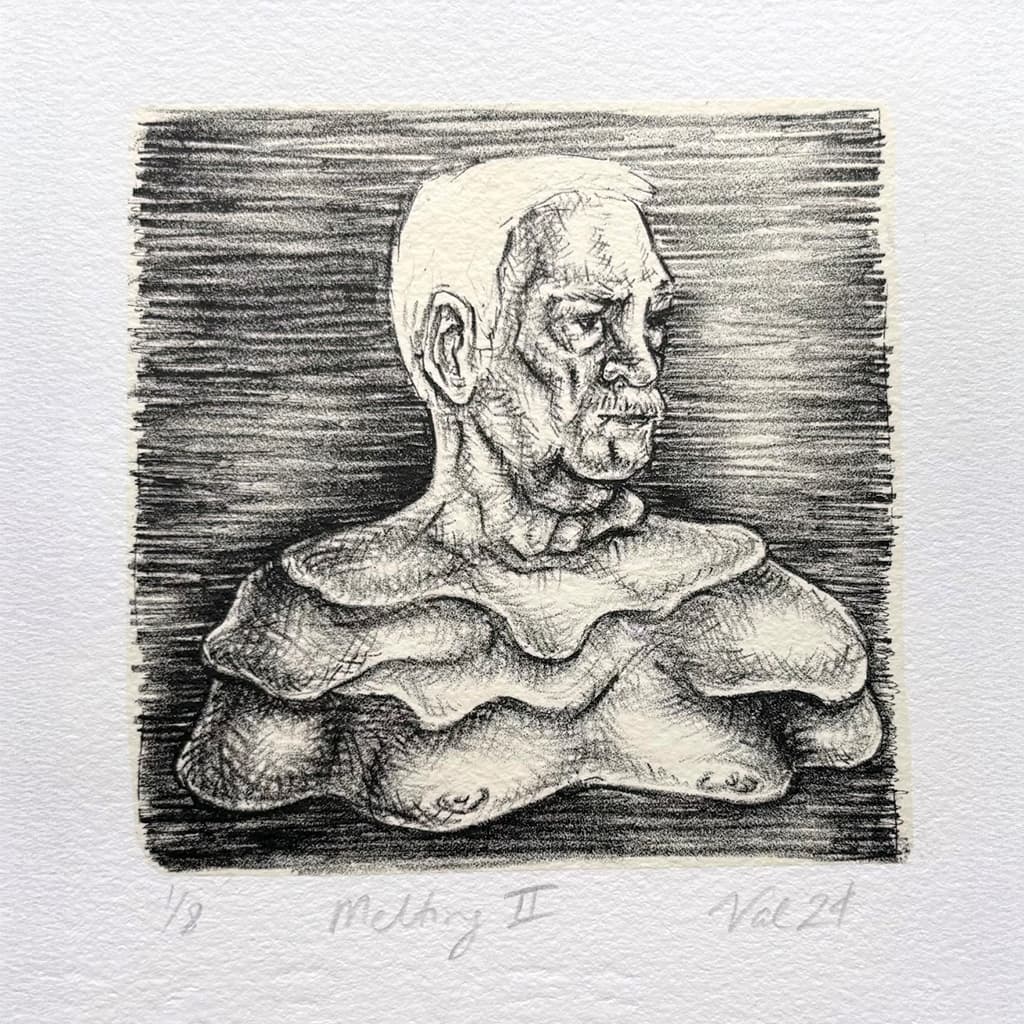
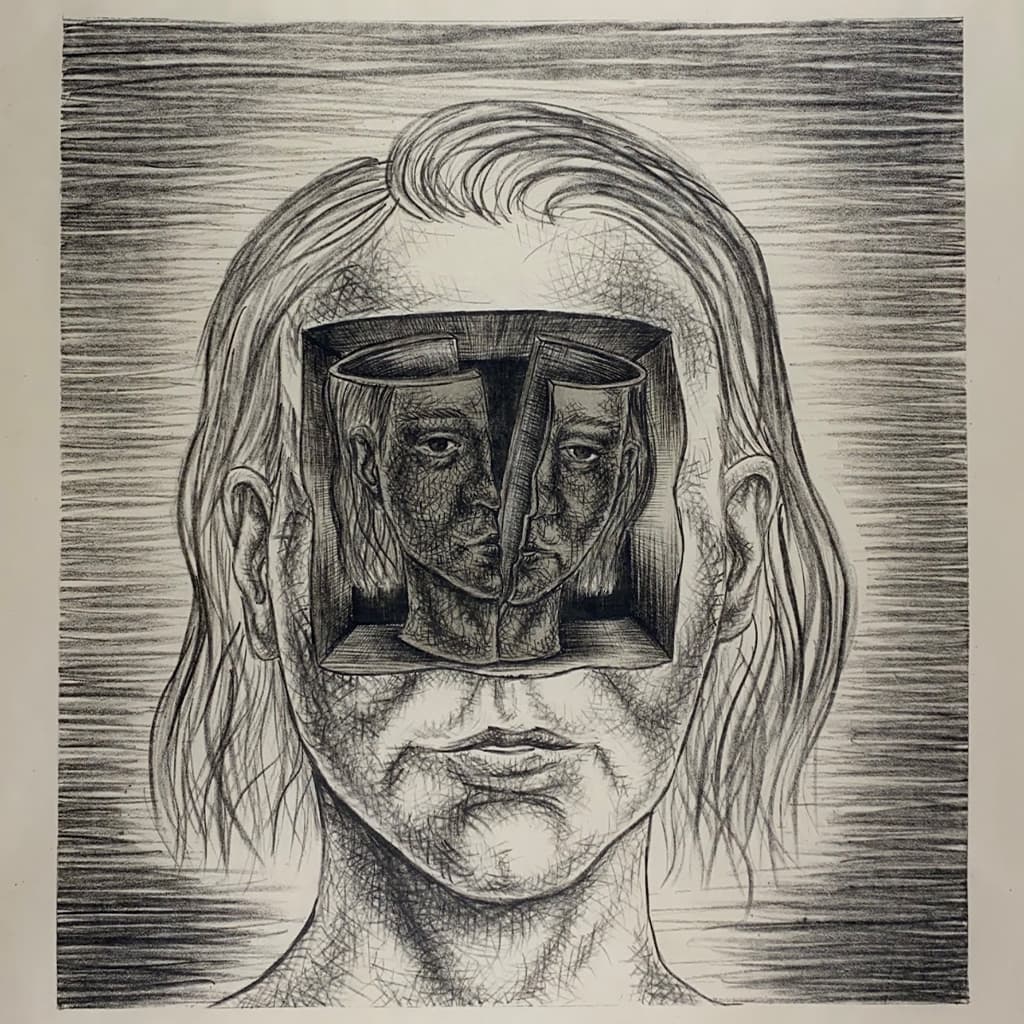
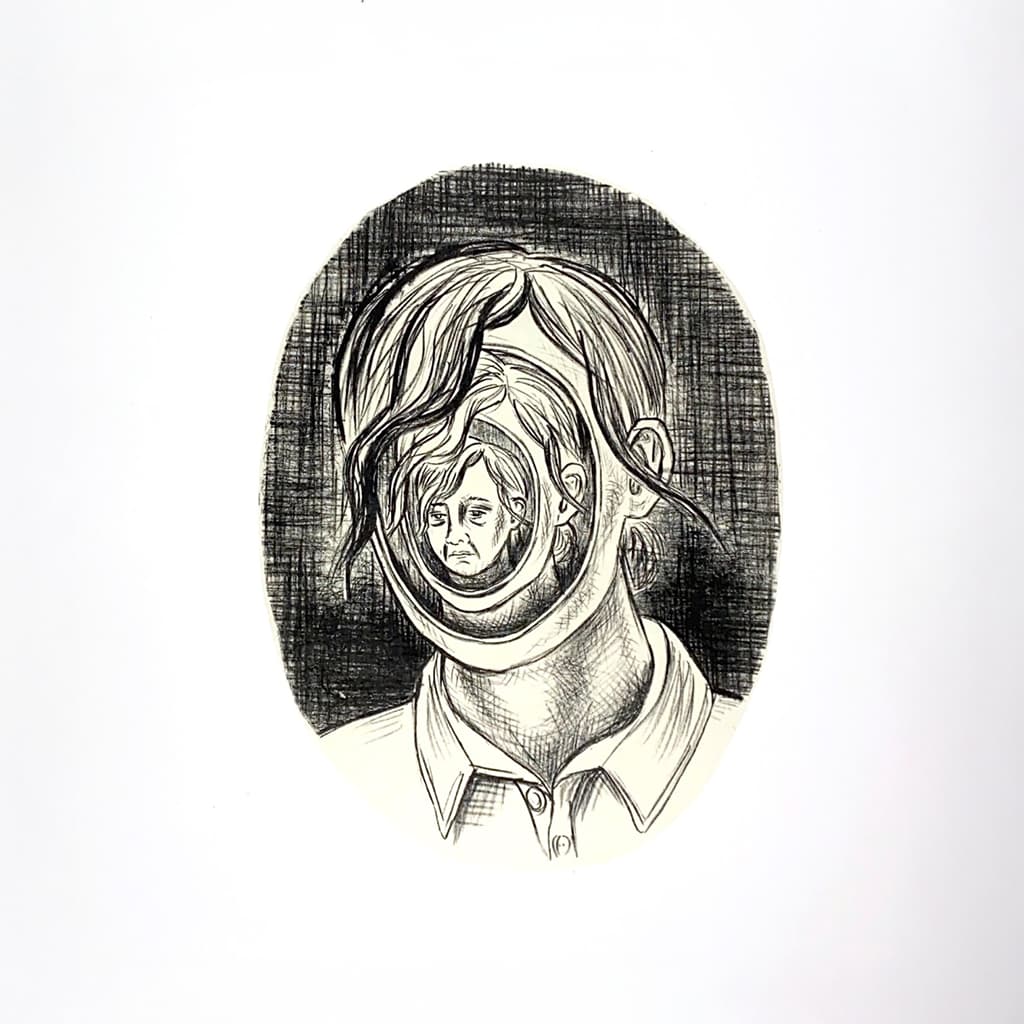
Her prints carry the evidence. Coiled figures. Crowns that cut like cuffs. Works like Quietly Burning and Coiled listed in her shop. These are not decorations. They are indictments carved into paper. The imagery screams what the system hides. Constraint. Captivity. Strain.
The story was always a lie. Lithography did not die. It was smothered by tuition, gatekeeping, and cost. Professors turned it into relic. Collectors turned it into nostalgia. But kitchen lithography and home lithography cracked the coffin. Syposz proved the body was alive. She proved the system was lying.
That is the real praise. She restored urgency to a medium they declared obsolete. She forced museums and fairs to host a process they ignored. She handed the knife to anyone willing to cut. The hiss of ink. The ache in your arm. The print landing hard on the rack. This is what alive feels like.
So take the reminder. If the door won’t open, make your studio at home. If the machine starves you, feed yourself with foil and grit. Valerie Syposz didn’t rescue lithography. She unchained it.
Check her website out. Visit her website. Follow her work where it moves and mutates. Instagram. Facebook.