
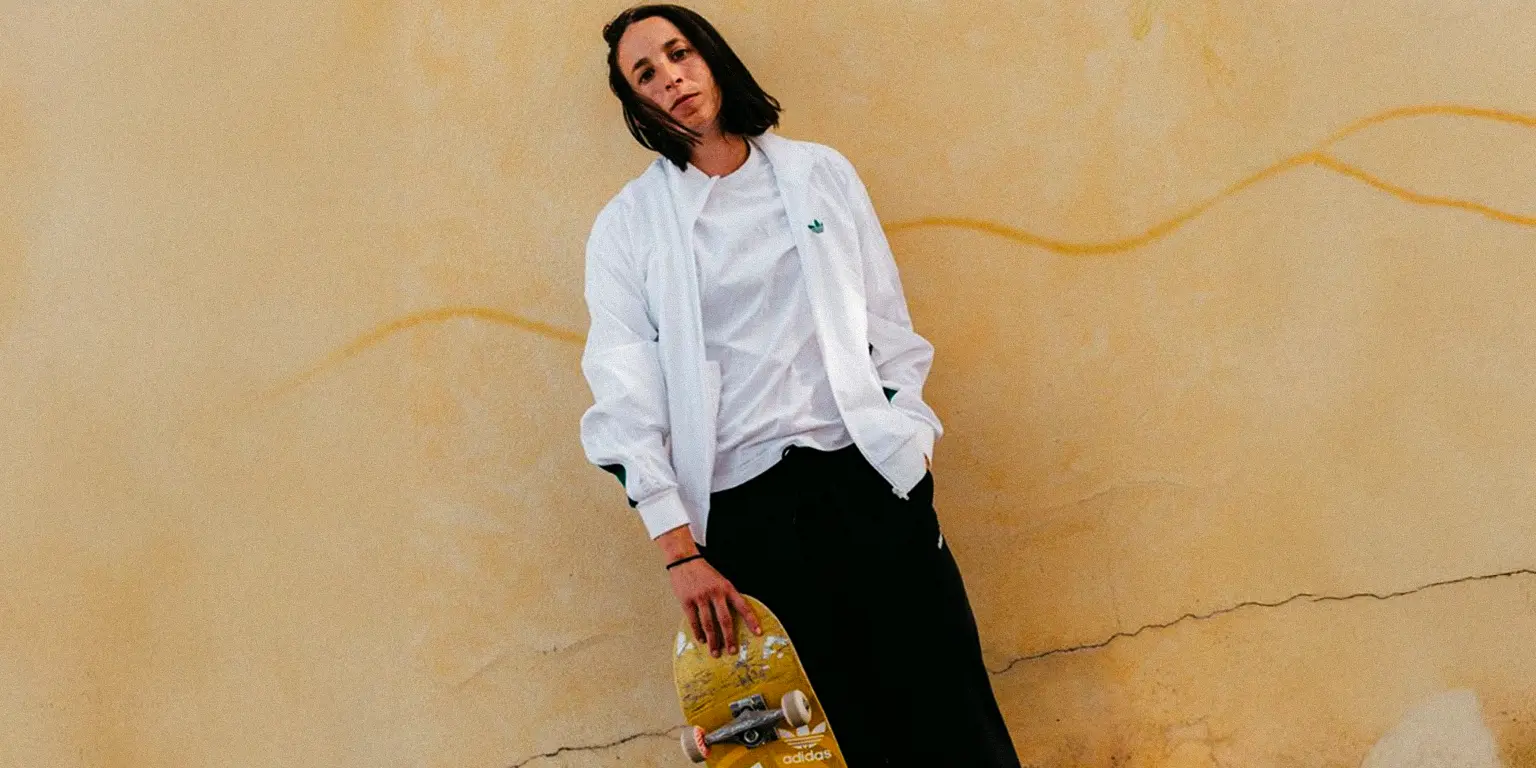
Sam Narvaez turned pro while her hometown Cuba still has no skate shop. Brands sell her story as culture while locals borrow broken boards just to roll. The engine isn’t talent. It’s distribution. Whoever controls the footage controls the crown. And the cost is that Cuba becomes the backdrop for marketing while the scene itself stays starving.
Pro is not earned. It’s engineered.
The announcement hit like a siren. Krooked posted Sam Narvaez as its newest Krooked pro in June 2025. Instagram feeds lit up with surprise reels. DLXSF, shops, riders, everyone reposted the coronation. Then came Marlen. A Thrasher part cut between Havana plazas and New York grit. The timing wasn’t luck. It was choreography.
On paper, Narvaez isn’t a contest machine. Her Boardr profile lists her ranked outside the top 4000. No podiums. No medals. A career of mid-pack finishes at Dew Tour qualifiers and Exposure contests. The numbers don’t scream pro. But that’s the lie. In skateboarding today, numbers don’t matter. Narrative does.
The real hustle is footage. Krooked didn’t elevate her because of contest points. They elevated her because of clips. Because her edits build hype, travel the algorithm, sell boards. The pro title is not a crown. It’s a receipt for marketable footage. The rollouts are planned, synced, branded. The shops get product. The media gets clicks. The system feeds itself.
Narvaez deserves the spotlight. She skates with speed, style, and an unteachable looseness. But the way she went pro says more about the industry than about her. Skateboarding sells coronations. Not careers.
Cuba is the set. Not the scene.
The plaza cracks under the wheels. A dog wanders across the shot. Kids watch from the curb, barefoot, waiting for a turn on a borrowed board. This is Cuba in Marlen. This was Cuba in HUF’s Headspace in 2023. Golden light, cooking with family, tricks on busted marble. It looks like heritage. But it plays like set design.
Because off-camera, Cuban skateboarding is famine. No shops. No parks. No steady supply of boards. Riders pass around whatever’s left until it snaps. Bearings grind themselves raw. Trucks warp. Narvaez has said it herself: give someone a board there and you change their life for a couple months. That’s not metaphor. That’s survival.
And yet, Cuba sells. Brands circle back to Havana for edits because the streets look raw. Because the architecture romanticizes the grind. Because scarcity photographs better than abundance. The image travels. The scene starves.
Sam Narvaez isn’t the villain. She’s the proof. She grew up in Key Largo, but Cuba remains her bloodline. She brings it to the screen because it’s hers. But when Krooked and HUF package it, Cuba becomes a marketing backdrop, not a community. That’s the corruption. Cuba sells in videos, but Cuba can’t even buy boards.
Fun is the mask. Deadlines are the truth.
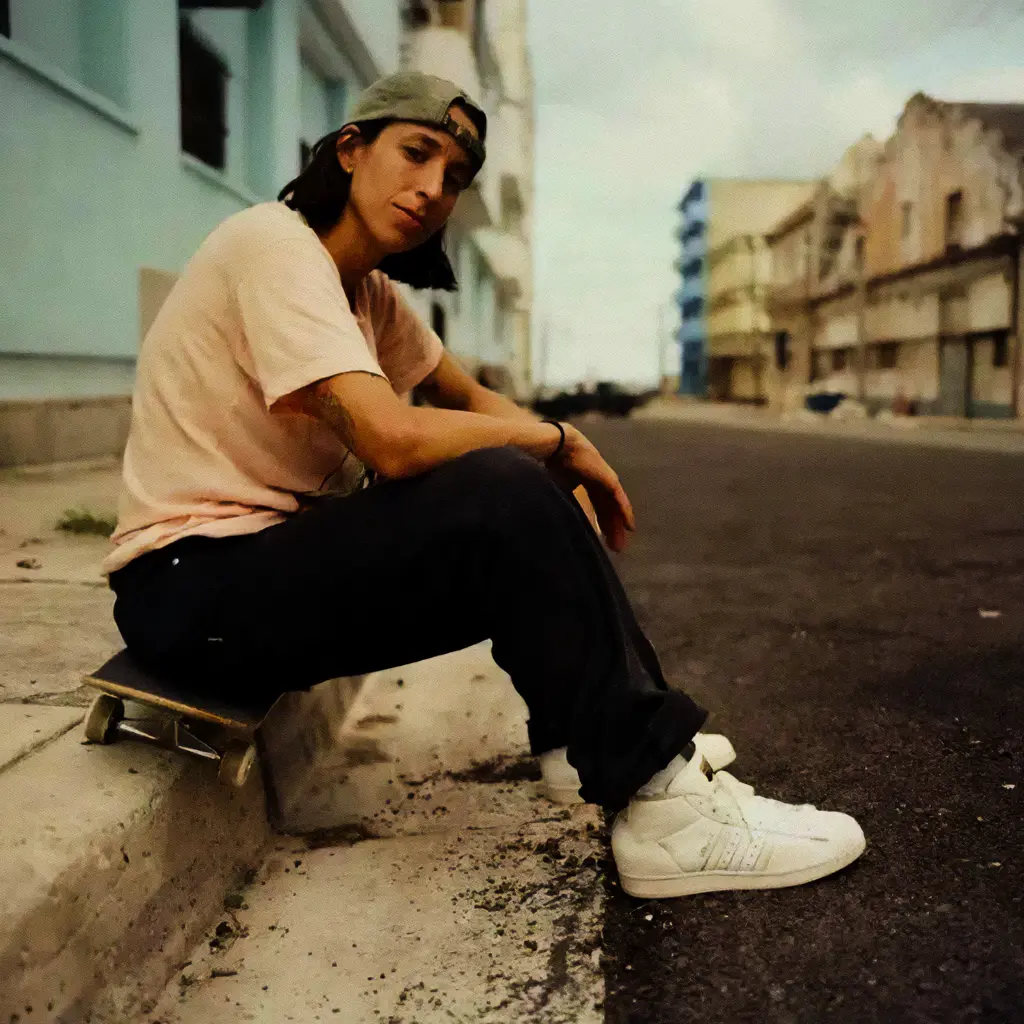
She laughs in interviews. Says it’s all about fun. Says she doesn’t take it too seriously. That’s the narrative brands crave. They want their skaters loose. Effortless. Vibes-only. But in the same Slam City interview she drops the slip: “They said to work towards June.” That’s a deadline. That’s the job.
Skateboarding loves to pretend it isn’t labor. No bosses. No clocks. No rules. But behind every part is a calendar. A drop date. A product cycle. Marlen wasn’t uploaded at random. It was tethered to the Krooked pro announcement. It was scheduled. The footage had to be stacked. The edit had to be signed off. Narvaez worked against the clock like anyone in an office, except her office is concrete and blood.
And the irony? The industry insists it’s not a job. That it’s play. That it’s fun. That mask is part of the brand strategy. If pros admitted the pressure, the deadlines, the labor, it would break the spell. They’re workers painted as wanderers.
Narvaez delivers under that mask. She skates with lightness even when the clock is heavy. But don’t confuse the vibe with the reality. The industry tells you to chill while circling a deadline in red.
Charity is cheap when profit is rich.
In 2025, Narvaez mentioned a cookbook zine. A DIY project. Sell copies. Send the profits to Cuban skateboarding. That’s not branding. That’s survival work. She’s hustling a fundraiser because her scene is left abandoned.
But here’s the indictment. Adidas. Krooked. HUF. Spitfire. Venture. Every sponsor milks her footage. Every sponsor runs campaigns with her face. Every sponsor profits from the Cuba story. None of them build a skate shop in Havana. None ship regular supplies. None cut checks to local crews. The burden falls on the skater while the corporations cash out.
That’s the formula. The brand takes the shine. The skater takes the guilt. DIY charity becomes the bandage while billion-dollar sponsors scale their profit margins. Narvaez cooks zines while global corporations feed themselves.
Respect where it’s due. She doesn’t have to do it. She could let the machine chew through Cuba and keep skating. Instead, she acts. She gives. But zoom out. Look at the imbalance. Look at the scam. The brands pocket the hype. The skater sells zines to fix the damage.
The crown isn’t for the rider. It’s for the brand.
The board with your name on it. That’s supposed to be the pinnacle. The dream. But when Sam Narvaez went Krooked pro, the real winner wasn’t Sam. It was Krooked. They got the headlines. They got the credibility points. They got the sales.
That’s the engine of pro status. It’s not a title to honor the rider. It’s a crown the brand puts on itself. Narvaez deserves the recognition. She rips harder than most. She carries her Cuban heritage with pride. She funnels money to a scene starving for scraps. But the ritual of going pro doesn’t exist to serve her. It exists to validate Krooked.
And Cuba? Still frozen in the same frame. Kids still sharing broken boards. Still no shop. Still no park. The system takes the image. The community stays hungry. That’s the bloodline of this story. That’s the truth.
Sam Narvaez is real. The industry around her is engineered.