
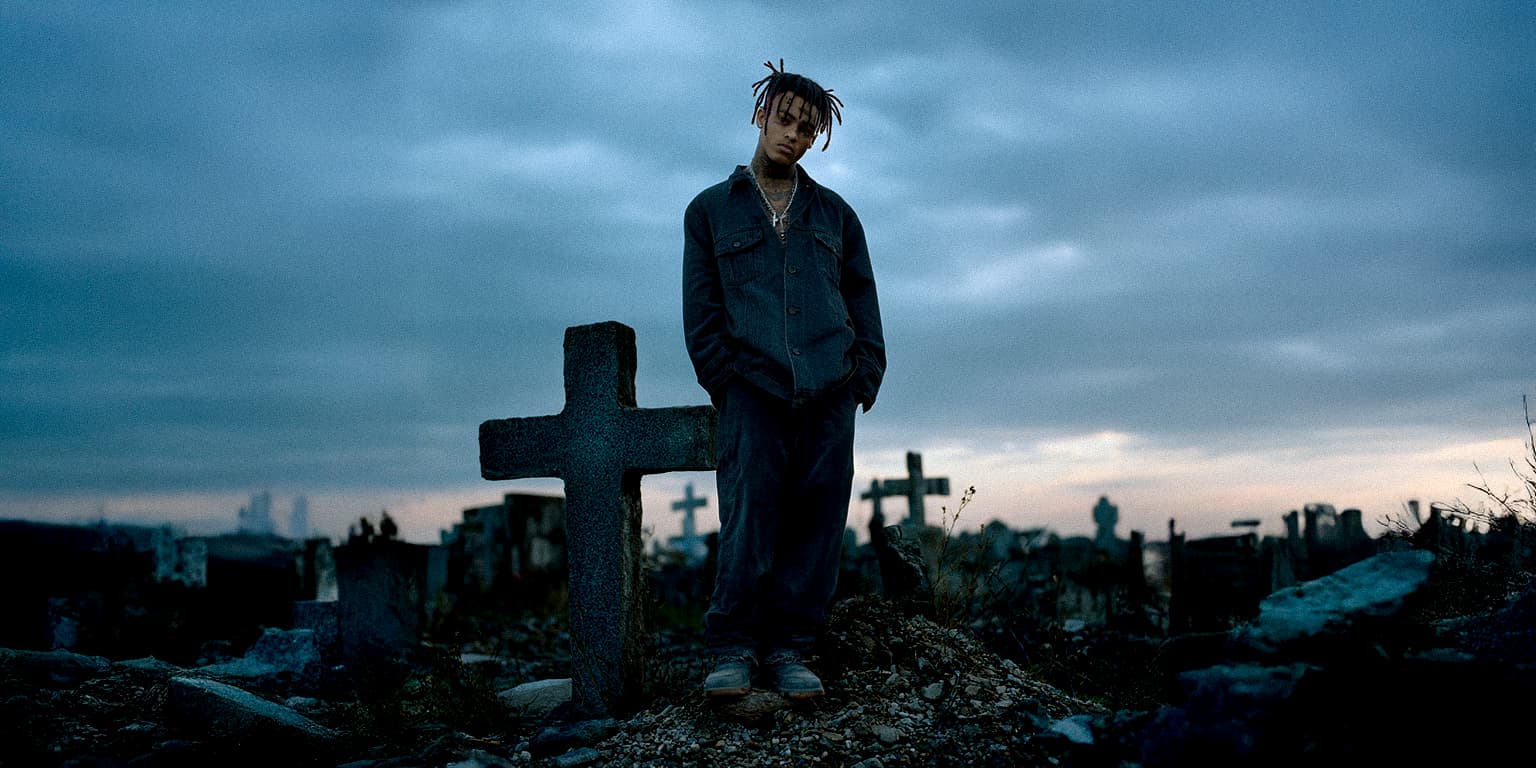
XXXTentacion confessed to violence on tape. The industry rewarded him with Diamond records. Platforms staged morality plays, banned him for a headline, then quietly put him back on playlists when streams proved too valuable to lose. Fans cried martyr. Labels counted money. The algorithm didn’t care who bled. It only cared that tragedy sells better than talent.
Death was the best promo he ever got.
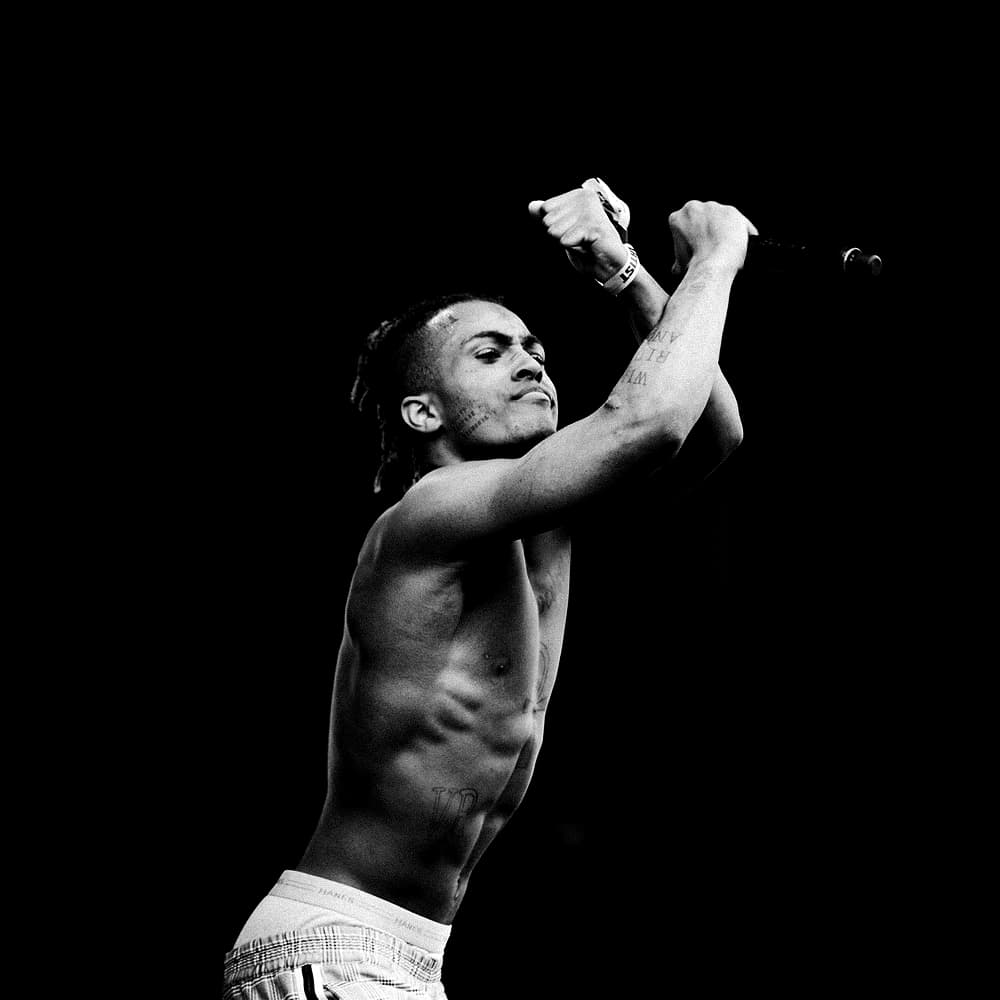
The body was still bleeding when “SAD!” started climbing. Forty-eight million streams in a week. Billboard handed him a number one before the dirt even hit the casket. That wasn’t mourning. That was blood turned into metrics.
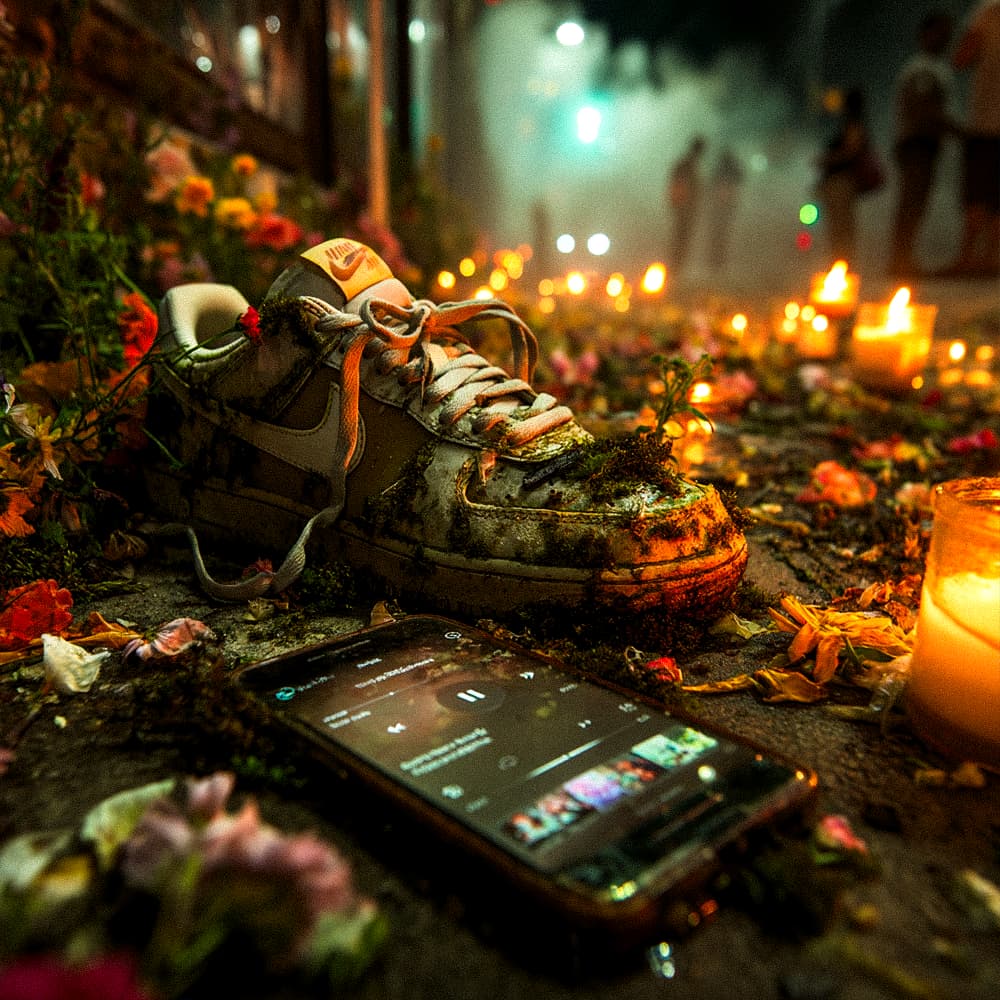
Fans lit candles. They blasted his songs from busted iPhones like they were hymns. But every replay wasn’t prayer. It was profit. His posthumous album Skins debuted at number one with 132,000 units sold. The label didn’t bury him. They recycled him. Even casual listeners who’d never touched SoundCloud rap before were suddenly part of the fan grief economy. Death converted strangers into customers.
Then came the plaque. “SAD!” certified Diamond. Ten million units pressed out of tragedy. His killers got life sentences. His catalog got eternal life. That’s not irony. That’s the business model. Nobody in boardrooms cried. They smiled at the numbers. They always do.
XXXTentacion didn’t just prove death sells. He proved death sells faster. He turned a robbery into a marketing campaign. A murder scene into a chart run. The industry didn’t lose an artist. It gained an asset.
The robbery ended his life. But it minted his catalog.
Platforms don’t forgive. They monetize.
Spotify pretended to take a stand. In 2018 it rolled out the “Hateful Conduct” policy and stripped XXXTentacion from RapCaviar. No banners. No playlists. His face erased overnight. The press called it progress. Fans called it censorship. But behind the scenes, labels went to war. Kendrick Lamar’s team threatened boycotts. Executives whispered about precedent. Streams dropped, outrage rose. Spotify folded.
Within weeks his music was back in playlists like nothing happened. No apology. No justification. Just reinstated streams. Morality had a thirty-day shelf life. That’s the truth most people can’t stomach: platforms don’t care about justice. They care about numbers. The algorithm doesn’t distinguish “abuse” from “anthem.” It just counts engagement. Anger and loyalty both click the same.
This wasn’t a failed experiment. It was a blueprint. Announce a ban. Collect the headlines. Reverse quietly when the outrage cycle dies. XXXTentacion showed how fragile corporate morality really is. Spotify didn’t forgive him. They didn’t even think about him. They thought about traffic. The algorithm doesn’t forgive or forget. It calculates.
Platforms don’t forgive. They don’t forget. They just count. Every scandal. Every headline. Every confession. All of it becomes data to be packaged back into streams. Forgiveness is human. Platforms don’t need forgiveness when profit is automatic.
Confession didn’t end him. It scaled him.
Pitchfork dropped the bomb: audio of XXXTentacion bragging about stabbings, abuse, violence. His own voice. No denials. No ambiguity. In a sane world that should have been the end. Instead, it was fuel. The streets didn’t treat it as a conviction. They treated it as lore.
Fans twisted themselves into knots. Some said the tapes were fake. Some said he was venting. Others called it proof of tortured genius. Every grotesque detail became part of his mythology. Reddit threads turned into archives. Comment sections lit up like arenas. Each click funneled back into Spotify and Apple. The confession wasn’t a nail in the coffin. It was marketing collateral.
That’s algorithmic amplification. Chaos doesn’t kill streams. It breeds them. The SoundCloud rap ecosystem thrived on disorder. Headlines were gasoline. Outrage was oxygen. XXXTentacion’s catalog grew under scandal because scandal is sticky. Outrage travels faster than apology. Shame sells faster than skill. And the system knows how to monetize both.
He confessed on tape. The streets made it legend. The algorithm made it money.
Fans didn’t mourn. They streamed.

The vigils smelled like wax and sweat. Kids crying on sidewalks. Phones glowing in the dark. But grief didn’t end at the curb. It moved into the feed. Instead of silence, there was streaming. Instead of eulogies, there were playlists. Hashtags became gospel: stream him into immortality.
Fans told themselves it was tribute. Every replay was prayer. But Billboard translated those prayers into chart data. “SAD!” hit number one because mourning had been weaponized into traffic. Devotion was no longer emotional. It was quantifiable. The fan grief economy turned tears into metrics, and metrics into profit.
This wasn’t Tupac murals on walls. This wasn’t Nipsey Hussle murals on Crenshaw. That grief was physical. Local. Human. XXXTentacion’s grief was digital. Algorithmic. Monetized in real time. The replay button became the shrine. The feed became the funeral.
SoundCloud rap had always been parasocial, but death pushed it into overdrive. Fans thought they were saving his legacy. The industry knew they were inflating its bottom line. Grief was no longer a side effect. It was the business model.
What fans called devotion, the industry called demand.
The corpse kept releasing music.
Death used to be silence. With XXXTentacion it became inventory. Months after his murder, Skins dropped. It sold 132,000 units and opened at number one. Then Bad Vibes Forever. Then features spliced from scraps. Merch drops followed. Hoodies. Vinyl. Posters. His killers went to prison. His catalog went to market.
The corpse economy isn’t new. Tupac holograms. Juice WRLD verses from phone recordings. Pop Smoke features dragged from vaults. But XXXTentacion’s posthumous rollout was faster, cleaner, and colder. His releases weren’t retrospectives. They were active campaigns. The estate and labels didn’t just preserve his voice. They weaponized it.
Even AI circled the grave. Talk of voice models and digital clones spread across forums. Fans imagined full albums manufactured from fragments. The technology wasn’t science fiction anymore. It was a business plan. And because the fan grief economy was still grinding, every drop was guaranteed to move units.
The SoundCloud rap chaos that defined his life mutated into a posthumous business model. Labels learned death doesn’t end a catalog. It scales it. The algorithm doesn’t know he’s dead. It only knows the streams keep flowing.
Death used to end the deal. Now it’s just licensing.
XXXTentacion wasn’t an outlier. He was a prototype.
XXXTentacion wasn’t a mistake. He was the template. After him the machine ran smoother. Juice WRLD overdosed. His catalog exploded. Pop Smoke was murdered in Hollywood. His debut went number one. Lil Peep overdosed. His estate released Come Over When You’re Sober Pt. 2. And Nipsey Hussle was assassinated in front of his store. His funeral streamed worldwide, his marathon brand immortalized.
The blueprint was unmistakable. Tragedy equals demand. Demand equals profit. Labels dig through vaults. Estates approve merch. Platforms amplify. Fans mourn in streams. The cycle repeats until grief is just another product line. XXXTentacion showed the math first. The industry perfected it after.
Nipsey’s death should have been rupture. Instead it was monetized. His marathon slogans plastered across merch. His catalog surging like X’s. But where Nipsey stood for community, XXXTentacion stood for chaos. Different paths. Same outcome. Both absorbed by the machine.
SoundCloud rap’s chaos. LA street politics. New York drill energy. All converted into the same funeral economy. XXXTentacion wasn’t the outlier. He was the prototype. Death as currency. Mourning as marketing. Grief as inventory.
The blueprint didn’t die with him. It scaled! From X to Nipsey to every artist the industry turns into a brand after a funeral.
Tragedy sells better than talent. Or is Soundcloud rap still a thing?
Go back to Florida. Asphalt stained with blood. Fans screaming into shaky phone cameras. Police tape flapping in the heat. That scene wasn’t just tragedy. It was content. Within hours, streams spiked. Within days, charts shifted. Within weeks, Diamond status was locked in. The robbery ended his life. The algorithm minted his immortality.
Spotify’s ban was a thirty-day stunt. The confession tapes became scripture. Labels gutted his vault for scraps. Every piece of the machine did its job. Outrage in forums. Grief in playlists. Spreadsheets in boardrooms. Nobody asked if it was justice. Nobody asked if it was respect. The only metric was: how many units did death move this quarter?
This is why XXXTentacion is more than a headline. He’s the revelation the industry never wanted you to see. He proved talent is optional when tragedy pays better. He showed how death fuels the system faster than artistry ever could. The funeral economy is more efficient than any promo plan. And the industry knows it.
Here’s the hostile clarity: XXXTentacion didn’t break the machine. He exposed it. His life was chaos. His death was profit. His legacy is the proof. This isn’t music anymore. It’s a funeral economy.
 N. Fontaine