
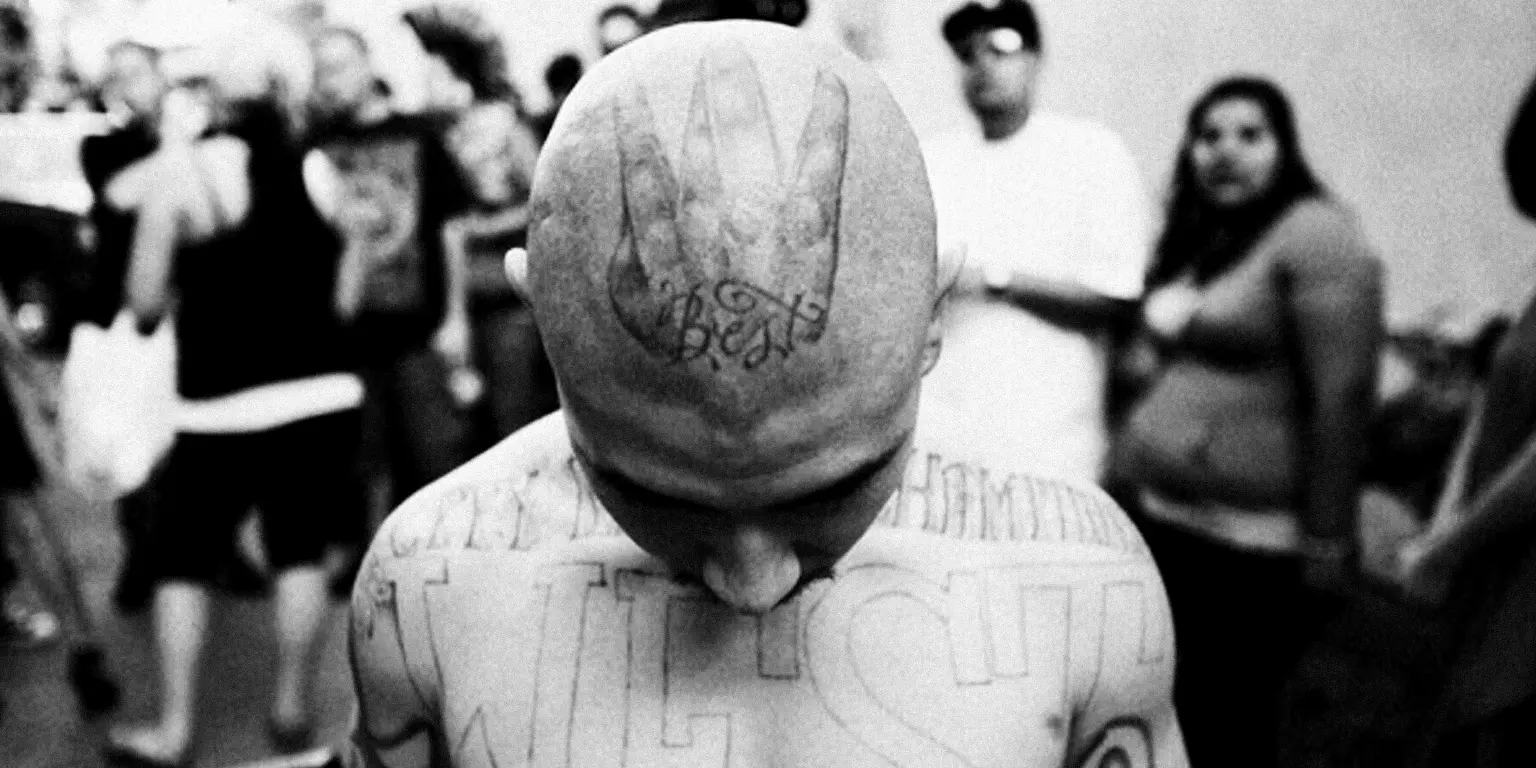
The streets built Young Dopey. Now he’s monetizing the wreckage… and we call that healing? He never escaped the block. He learned to weaponize it. Young Dopey flipped scars into systems. Every beat, every hoodie, every episode of the Program Time Podcast is proof you can carve power out of pain. The youth worship hustle culture but rarely ask what it costs to hold it all together. This isn’t a rags to riches story. It’s a survival blueprint coded in blood and sold like a product.
You’re not healing. You’re just highly functional at hurting.
Grinding isn’t always growth. It’s a survival reflex with nice branding. Walk into Young Dopey’s world and you’ll smell concrete dust and burnt rubber. The Program Time Podcast wasn’t born in a marketing meeting. It came from a need to speak. To exhale the block before it crushed him. Babee Gangsta prison story. Lil Man’s fresh out confession. These aren’t viral clips. They’re mental minefields.
The youth watch and call it resilience. They click. They comment. They share. But what they’re seeing is a man still negotiating with ghosts. Performing the same pain he’s trying to escape. That’s the hustle trap. The culture teaches you to spin trauma into content. Then applauds you for bleeding on camera.
Young Dopey isn’t a cautionary tale. He’s a mirror. He shows what happens when you refuse to break but can’t stop bruising. What looks like ambition might just be survival with better branding.
The podcast is a confession booth. And the block is still listening.
Imagine recording a show inside a wound. Episode 2 of the Program Time Podcast, “Growing Up in Inglewood,” sounds like a reunion but feels like an exorcism. The air is thick. The silences are heavier than the laughs. Young Dopey sits there. Host. Historian. Survivor. But you can tell which questions are really aimed at himself. When Knockout speaks about prison, the quiet on Dopey’s end is loud enough to hear.
This isn’t a podcast for content. It’s a public therapy session wrapped in a YouTube thumbnail. And the block knows it. Every neighbor from the old hood. Every OG. Every ghost from his past can press play and hear how he’s reassembling himself piece by piece. For the youth, this is the lesson. Sharing your story is power. But it’s also a risk. You don’t just get applause. You get exposed.
Dopey’s brilliance is in making that exposure look like leadership. He’s building a platform that’s also a lifeline. Every episode is him talking to himself through someone else’s story.
WestHaven isn’t fashion. It’s what survival looks like when it stops apologizing.
Go to WestHaven Clothing and you see hoodies. Crewnecks. Tees. All stamped with block names and raw lines. The merch isn’t about looking cool. It’s about wearing your scars. WestHaven doesn’t follow cycles. It channels the energy of nights you didn’t sleep. Doors you couldn’t open. Losses you couldn’t speak.
A hoodie from WestHaven feels like weight. The fabric holds memory. The stitchwork whispers: you came through something. Young Dopey doesn’t dress for style. He dresses for defense. He makes armor in cotton.
This teaches the youth that clothing is identity turned visible. You don’t wear WestHaven to flex. You wear it to remember. WestHaven is what you wear when therapy isn’t an option.
The label’s not a launchpad. It’s a safehouse.
6th BLK Records isn’t chasing pop. It isn’t packaging hits for radio. It’s a fortress built by someone who’s been owned before. Dopey built 6th BLK so nobody else could own him again. He signs loyalty before beats.
Young Dopey rejects corporate doors. He builds his own. When artists walk in, they know this label exists not for exposure. But for protection. He’s not just pushing tracks out. He’s pushing boundaries around trauma. Ownership. Agency.
For you. The youth watching. The lesson is this. Independence isn’t just freedom. It’s defense. Control your terms before the system writes them for you. 6th BLK isn’t about signing artists. It’s about not getting signed by pain.
He didn’t escape the block. He archived it.
Most people want to leave the past behind. Dopey brought it forward. Program Time Podcast is archive. WestHaven is archive. 6th BLK is archive. Every story he amplifies. Every hoodie he drops. Every beat the label publishes is a footprint from his block he refuses to erase.
The system wants you to forget. To dilute. To move on. He does the opposite. He forces you to remember. He makes proof. A living archive stamped with grime. Grief. Ambition.
He’s not building a brand. He’s building proof that the pain happened. And that someone made it through.