A Dior handbag doesn’t cost thousands. It costs €53 and a worker’s broken spine. Luxury handbags aren’t heritage. They’re poverty processed into status. Made in Italy is sold as tradition while hiding labor exploitation in basements where migrants sew through the night. The system rewards Hermès with record profits and flexes a Birkin price that climbs every year, but the hands that build them stay invisible. Luxury is theft with better lighting.
Dior’s €53 Bag Is Your $2,600 Delusion
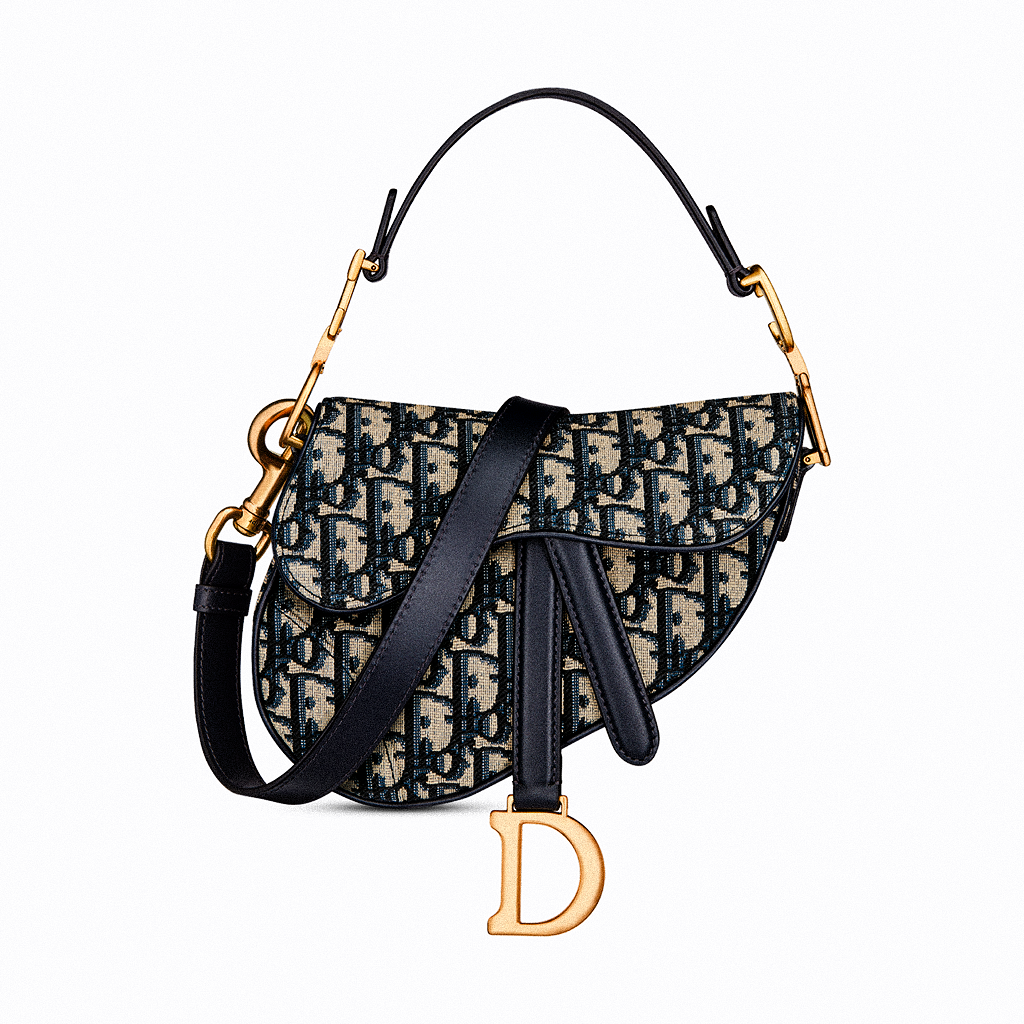
The glow of boutique lighting hides the stink of factory sweat. You feel leather under your palm. Smooth. Cold. Heavy with promise. But in Milan’s shadows, prosecutors found Dior’s subcontractors billing €53 per bag while retail tags screamed €2,600. Workers forced into 10–15-hour shifts slept on dirty mattresses near the sewing machines. Paid €2–€3 an hour, their exhaustion was the real lining.
Luxury handbags sell you a fairy tale. Words like “craftsmanship” and “heritage” drip from ads like honey, but the truth is closer to battery farming. Bags move down a chain of hidden subcontractors until the brand barely touches the process. Courts called out these sham intermediaries. They weren’t artisans. They were fronts for labor exploitation. Dior was caught. Armani was caught. Valentino was caught. Each “timeless piece” is soaked in the same filth.
And yet the market pays. The customer flexes. The influencer stages a post where the bag is more important than her face. They don’t know the cost. Or they don’t care. Because what they really bought wasn’t leather. It was superiority. The markup isn’t profit. It’s proof of hierarchy.
The bag you flex is stitched in misery, not magic.
Made in Italy Means Made in Misery
Close your eyes and picture Italy. Tuscan sun. Wine-stained tables. Old men in aprons hammering leather in candlelit workshops. That’s the lie. “Made in Italy” isn’t romance. It’s loophole law. It allows luxury giants to slap heritage labels on products stitched in sweatshops just a train ride outside Milan. Migrants paid starvation wages under fake contracts produce bags that the brand sells as living art.
Investigations revealed subcontractors creating front companies to shield the truth. One shell firm passes the order to another until the trail dissolves. Auditors arrive, clipboards in hand, and find nothing but signatures on paper. Behind that paper trail are workers locked in buildings overnight. Behind that logo is a laborer who hasn’t seen daylight in days. Reuters exposed how audits failed to catch anything meaningful.
The cultural engine depends on this fraud. Consumers pay more because of the “Made in Italy” stamp. It feels like proof. But proof of what? Not quality. Not craft. Just another sticker to launder sweat into chic. Even now, officials promise stricter checks. Meanwhile, Dior and Valentino walk free with settlements, while workers crawl back into the same basements.
Craft is just marketing. The stitches are sweat.
Hermès Gets 40%. Workers Get Hunger.
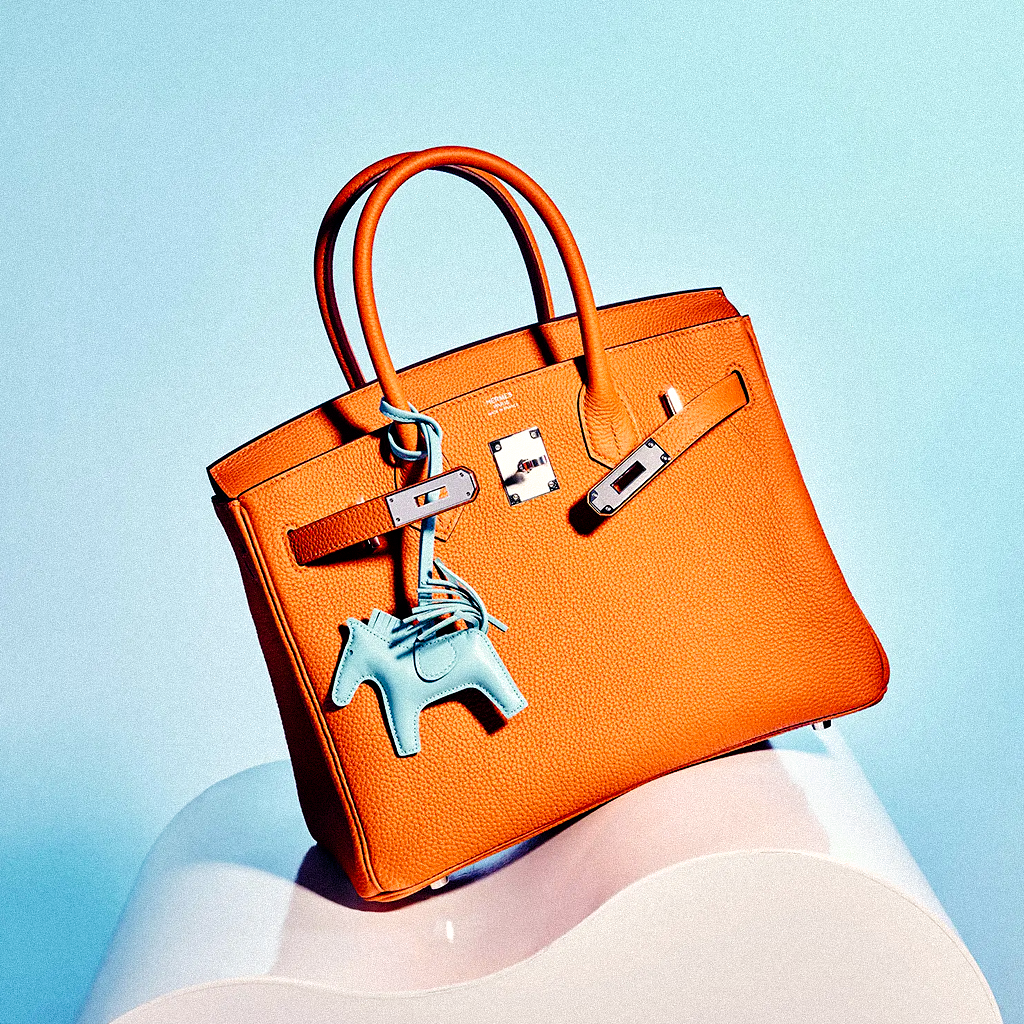
Numbers don’t lie. Hermès reported a 40.5% operating margin in 2024. LVMH bragged about billions in recurring profits. The press celebrated it as brilliance. Investors clapped. Meanwhile, the people who stitch the luxury handbags get paid less in a day than the rich spend on cocktails. That’s not brilliance. That’s blood math.
These margins aren’t the result of artistry. They’re the result of price hikes and starvation wages. The Birkin price jumped again in 2025, hitting nearly $14,000 in the U.S. Retailers spun it as inflation. Insiders admitted it was strategy. Create scarcity. Hike value. Protect the margin. Nothing about the design changed. What changed was the brand’s decision to keep squeezing.
Workers are invisible in this game. They don’t get bonuses when sales soar. They don’t see raises when Hermès stock climbs. Their hunger isn’t a bug. It’s the feature. Shareholders eat caviar because seamstresses eat dust. You don’t build 40% profit by paying fair wages. You build it by cutting human beings down to minimums.
Luxury margins are carved from workers’ ribs.
Quiet Luxury Still Screams Exploitation
They call it quiet luxury now. No flashy logos. Just beige sweaters, muted bags, and the smugness of “taste.” TikTok called it subtle. Google called it viral. Billionaires called it opportunity. But stripping the logo doesn’t strip the labor. The exploitation is still there. It’s just quieter.
The cultural pivot is clever. The Met Gala sold “quiet luxury” in gowns that cost more than houses. Influencers bragged about blending in while carrying handbags worth six months’ rent. The same Kylie Jenner who flexes six-figure Birkinsnow posts “subtle” couture as if minimalism equals morality. It doesn’t. It’s still a wealth display. Just dressed as humility.
Even so, the machine keeps turning. A €53 bag becomes €2,600 whether it screams with logos or whispers with understatement. Dior’s investigation didn’t stop TikTok hashtags. Hermès’s margins didn’t drop when fashion week rebranded. Quiet luxury is just another mask. A lie to keep the system alive while pretending it grew a conscience.
You can mute the logo. You can’t mute the labor.
The Poor Stitch. The Rich Flex.
Picture it. Kylie Jenner posing on a private jet with a row of Birkins worth $130,000+. A single shot worth more than a worker will make in a decade. Her caption gets millions of likes. Meanwhile, in Italy, a migrant sleeps on the floor of a workshop after a 15-hour shift. The contrast isn’t shocking anymore. It’s normalized. That’s the sickness.
Luxury handbags thrive on this duality. The poor supply the labor. The rich supply the flex. The cultural circus thrives on envy. Fans screenshot Kylie’s bags. Blogs calculate their resale values. Nobody asks why the person stitching them never gets named. The silence is deafening. The silence is intentional.
Because visibility kills desire. If the consumer had to stare at the face of the man who made the handle, the fantasy would collapse. If they smelled the sweat in the lining, the price tag would rot. Instead, social media scrubs the blood and leaves only the flex. It’s poverty porn dressed in silk.
Poverty is luxury’s raw material.
The $53 Bag Never Leaves the Room But Labor Exploitation does?
This isn’t an exception. This is the blueprint. A Dior bag made for €53. Sold for €2,600. Backed by Hermès’s 40% margins and LVMH’s billions. Branded as Made in Italy. Protected by fake audits. Celebrated by influencers. That’s the model. That’s luxury.
Every time the Birkin price climbs, remember what stays flat. Wages. Every time quiet luxury trends, remember who it silences. Workers. Every time LVMH reports profits, remember where the margin comes from. Exploitation. It’s not heritage. It’s hunger. It’s not craft. It’s captivity.
The fantasy is powerful because it depends on erasure. Erase the worker. Erase the sweat. Erase the €53 invoice. Leave only the glow of boutiques and the flex of celebrity. That’s how poverty becomes prestige. That’s how the rich eat while the poor stitch.
Every luxury handbag is a receipt for someone else’s starvation.