
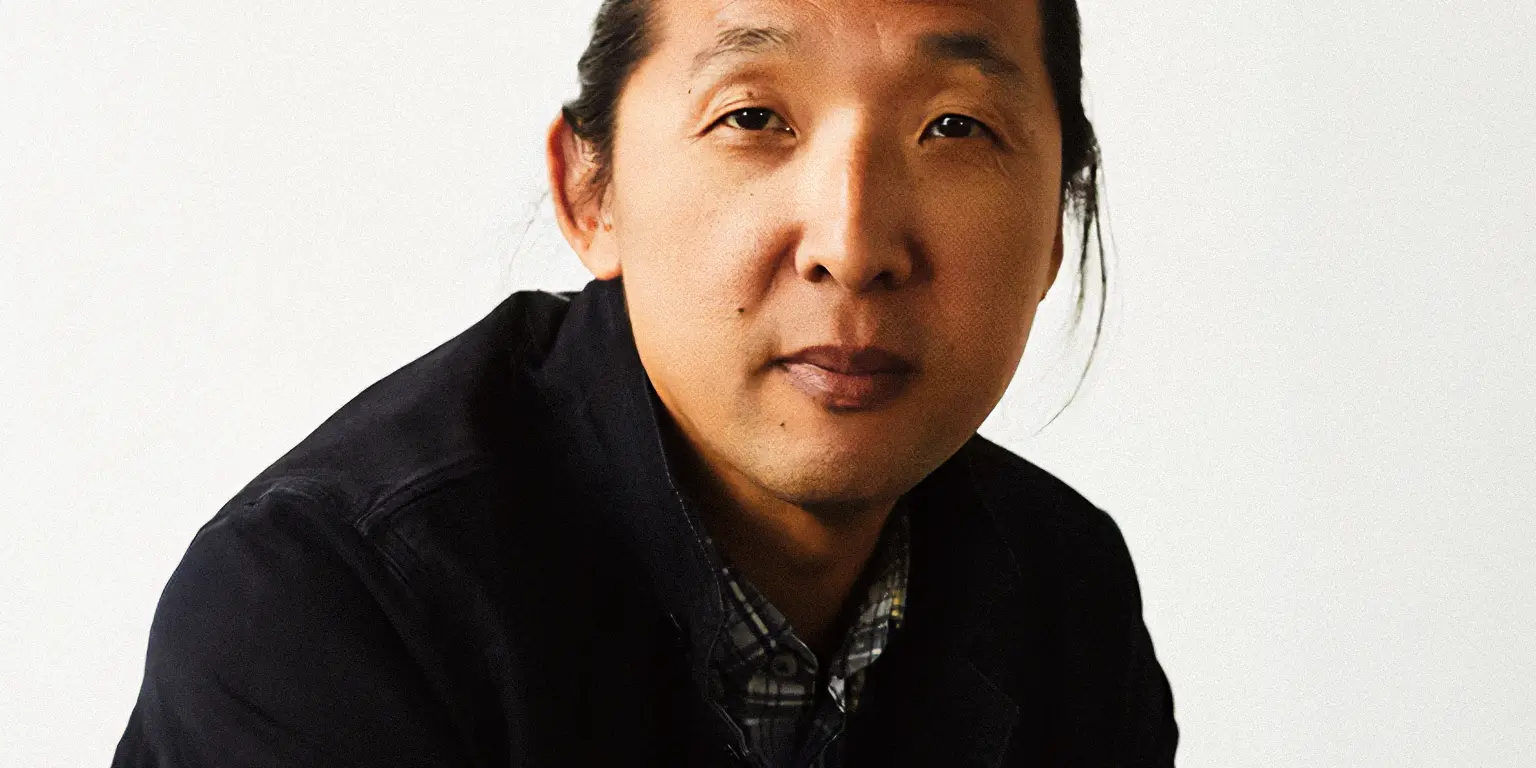
Kogonada made sincerity dangerous again with A Big Bold Beautiful Journey and his other movies. He built a movie that feels like prayer in an industry wired dirty to sell meme treadmill content. The cost is visible in the empty theaters and the critic scorecards that mock instead of mourn. What the system calls failure is proof that his films are alive in a market obsessed with corpses. Every door he opens leads to the same truth. Cinema is bleeding. He’s the one still pulling veins out on screen.
Hollywood doesn’t reward honesty. It buries it alive. Kogonada is proof.
The trailer was candy-coated poison. Bright smiles. Magic doors. A GPS that sounded like destiny. That’s the packaging Sony sold. But once the lights dimmed, A Big Bold Beautiful Journey wasn’t whimsy. It was a dirge in disguise. Margot Robbie’s face didn’t beam joy. It carried fractures. Colin Farrell’s pauses were longer than his lines. What smelled like fantasy on the poster stank of grief when projected ten feet high.
This is where sincerity becomes dangerous. Kogonada didn’t build broken magic for TikTok edits. He laced the film with silence. He made the camera wait on hesitation. He forced audiences to hear their own memories echo in the cracks of dialogue. That is hostile sincerity. It cuts instead of entertains.
The market rejected it. Rotten Tomatoes branded it a 37 percent critical failure. Global box office stumbled at $14 million against $45 million. Hollywood calls that suicide. But the suicide is the lie. The suicide is sincerity trying to exist in a place that only values noise.
Sincerity in Hollywood is suicide by design.
Original movies don’t fail. The market kills them.
Mid-budget originality isn’t risky. It’s wired dirty sabotage. IP sequels get billion-dollar ad spends. Originals like A Big Bold Beautiful Journey get pushed into release windows that feel like graveyards. Sony slapped a fantasy adventure label on a film that was closer to a wake. They mismatched promise and product, then blamed the director for the fallout.
Audiences expect sugar. They got medicine. Critics call that tonal failure. But it’s systemic. The machine funds noise and sets silence up to drown. Data doesn’t lie. Comic-book sequels average hundreds of millions opening weekend. Meanwhile, originals limp across opening lines, starved of marketing oxygen. That’s not taste. That’s execution.
The flop label hangs heavy. Not because the film lacks soul, but because capitalism cannot sell sincerity without sterilizing it. They can’t turn Colin Farrell’s trembling silence into merch. They can’t make Funko Pops out of Margot Robbie’s fractured gaze. So they bury the film instead.
The movie didn’t bomb. Capitalism pulled the trigger.
Kogonada makes cinema human. The industry wants machines.
Kogonada doesn’t direct like Hollywood. He directs like a surgeon. Each pause is scalpel. Each glance is incision. His cinema bleeds memory. You don’t just watch. You ache. That’s why his films haunt long after the credits. They’re not dopamine bursts. They’re scars you carry.
Hollywood can’t sell scars. It sells content parade. It feeds you superhero suits and meme treadmill romances. Executives want numbers on charts. They don’t want Joe Hisaishi’s score crawling under your skin until you feel time collapse. They don’t want Laufey’s song playing like an exposed nerve. They want predictable noise.
This is the rupture. Kogonada builds films that are human. Hollywood builds content that is lab-grown lie. Silence, sincerity, memory. These are radioactive inside a system addicted to pre-packed vibe. The studio thought they were buying a toy. What they got was scripture.
Hollywood wants TikToks. Kogonada gave them scripture.
What critics call failure is proof the film is alive.
Critics sneer when they don’t understand pain. They called this film cloying. Too solemn. Too strange. Audiences shrugged. Ticket sales coughed. But that’s the reflex of a culture allergic to sincerity. Failure isn’t proof of weakness. Failure is proof of life.
Kogonada didn’t hide. He shoved sincerity into multiplexes. He made sincerity stand shoulder to shoulder with Marvel sequels. He knew sincerity would get mocked. That’s the point. It’s rebellion through stillness. It’s rage through silence.
The box office may have drowned. But already the film circulates in essays, on playlists, in stan edits dissecting Joe Hisaishi’s score and Mitski’s closing song. Disposable vibes vanish. Living films linger. They irritate. They haunt. They carve. That’s why sincerity matters.
If sincerity fails, it means it worked.