Steal a Brainrot. The Roblox Game Preying on Kids
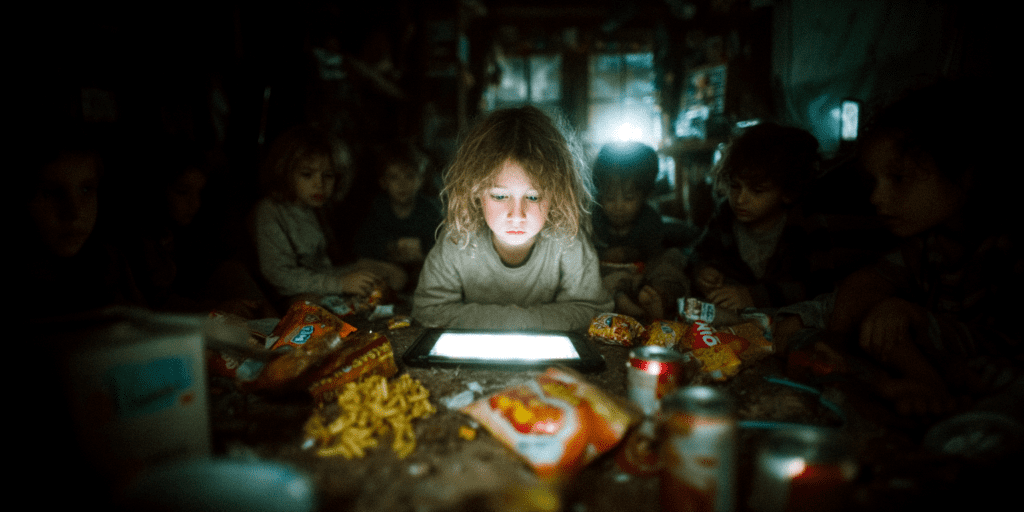
A Roblox game is making kids cry on camera, and that’s not a bug. It’s the business model. And our youth mental health is at stake. Steal a Brainrot rewards theft, monetizes despair, and turns childhood breakdowns into viral spectacle. Built by Do Big Studios, it’s proof that the attention economy doesn’t just steal minutes. It steals resilience. Parents think they’re paying for play. What they’re funding is emotional demolition. The payoff is cruelly simple. The game keeps winning because your kid keeps losing.
Steal a Brainrot isn’t play. It’s theft dressed as fun.
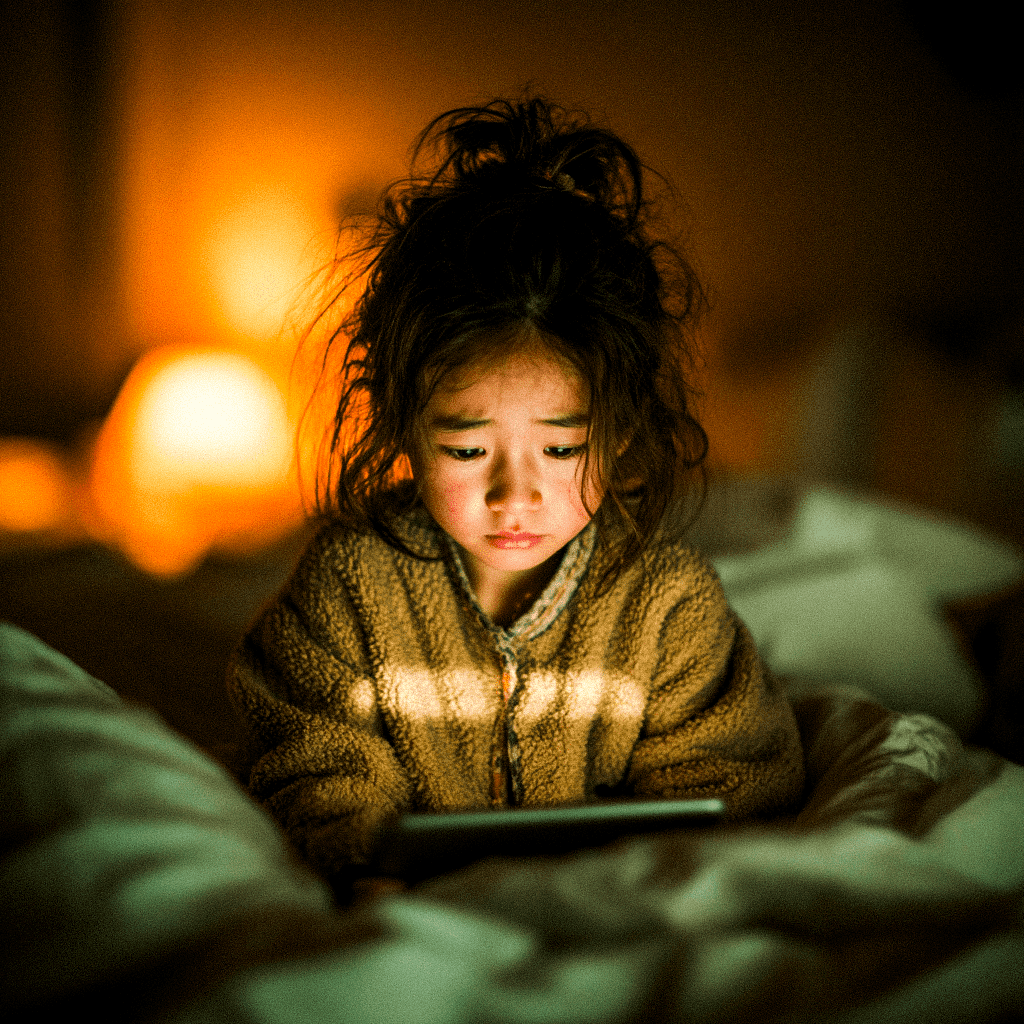
A child clicks in and the countdown begins. Thirty seconds of safety. Then the lock vanishes, and every brainrot creature in their base becomes prey. The screen flashes red. The alert sound punches like an alarm. A stranger rushes in and steals everything the child built. All that’s left is silence and loss.
This is no accident. Buy a brainrot off the conveyor and the price spikes, punishing effort with inflation. Collect more and you only become a bigger target. Rebirth resets promise upgrades but erase every trace of progress. A wipe disguised as a gift. Each loop teaches kids not to win, but to brace for the inevitable loss.
Older Roblox games rewarded creation. Adopt Me! gave you pets. Bloxburg let you build houses. Steal a Brainrot only rewards humiliation. That’s why it climbed to 5 million concurrent users, teaching millions of kids at once that paranoia is normal. Parents see playtime. Kids feel ambush.
This game teaches kids their joy is temporary and their pain is public.
The Roblox game built to make kids cry—and go viral.
One clip of a meltdown hit 36 million views. Not a trailer. Not an ad. Just raw misery ripped from a child and broadcasted to TikTok. The sound of sobbing becomes the soundtrack. The caption turns pain into punchline. “He lost his brainrot and lost his mind.”
This Roblox game thrives because tears are free marketing. Siblings record each other breaking down. Creators bait strangers just to catch the collapse on film. The humiliation reel becomes content, spreading faster than any Roblox promo ever could. Meltdowns replace joy as the cultural currency.
Nobody stops it. Roblox moderation nukes profanity faster than despair. TikTok doesn’t filter crying kids. It amplifies them because tears hold attention longer than laughter. In the 90s, humiliation was packaged as America’s Funniest Home Videos. At least there the parents cashed the check. Now the platform keeps the profits while kids lose their dignity.
The tears aren’t accidents. They’re the algorithm’s ad campaign.
Rebirth isn’t progress. It’s failure disguised as reward.
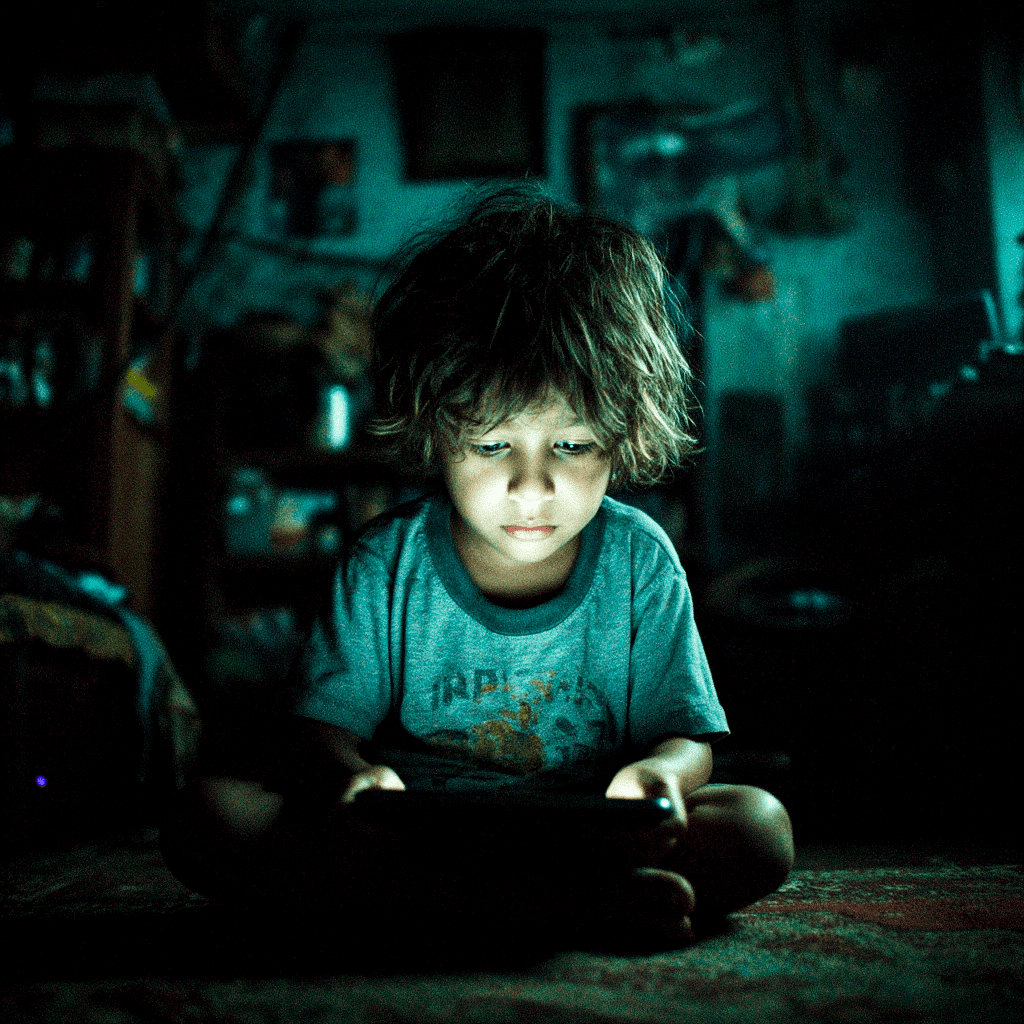
A kid finally saves enough to hit rebirth. They click. In an instant, every brainrot, every dollar, every moment disappears. The screen resets to zero. The only reward is a slightly longer lock timer and a shinier multiplier. That isn’t progress. That’s theft with a smile.
The rebirth cycle is coercion. Start over. Lose it all. Chase the illusion of getting ahead. It’s slot-machine psychology coded for children. Casinos call it “one more spin.” Fortnite sells battle passes that reset every season, erasing what you grinded for and dangling new skins. Roblox calls it rebirth. Every version is a trap. Every version sells hope while extracting money. Do Big Studios profits because every reset tempts kids into buying more Robux.
Picture the character detail. A child clicks reset, stares at an empty base, and feels the air sucked out of the room. What should be triumph is hollow repetition. What should be reward is engineered despair.
Parents see resilience. What’s really being taught is surrender. Kids are learning to accept collapse as normal, even desirable.
Rebirth is just pressing reset while the house still burns.
The attention economy was always going to target kids first.
Do Big Studios didn’t invent cruelty. They perfected it. They tested the formula with Grow a Garden, then turned it lethal with Steal a Brainrot. Short cooldowns. Visible wealth. Purchasable dominance. Every mechanic is designed to inject fear of missing out. And Roblox takes a cut of every coin.
Indie games get bought. Their innocence stripped. Their mechanics rewritten as profit machines. Roblox acts like it’s fostering creativity, but the system is optimized to funnel kids into revenue streams. Every crying video is free advertising. Every Robux purchase pays a 30 percent cut back to Roblox.
The cultural context is clear. As Herbert Simon warned, “A wealth of information creates a poverty of attention.” The poverty is childhood itself. The dopamine hit when you hear the Robux purchase sound isn’t joy. It’s a leash. It’s the same trick Nickelodeon pulled with slime. Market it as play, but the residue sticks. Roblox isn’t fun goo. It’s engineered adhesive that glues children into revenue streams.
Roblox isn’t raising players. It’s raising revenue streams.
Youth mental health doesn’t stand a chance against the engineered theft on Steal A Brainrot.
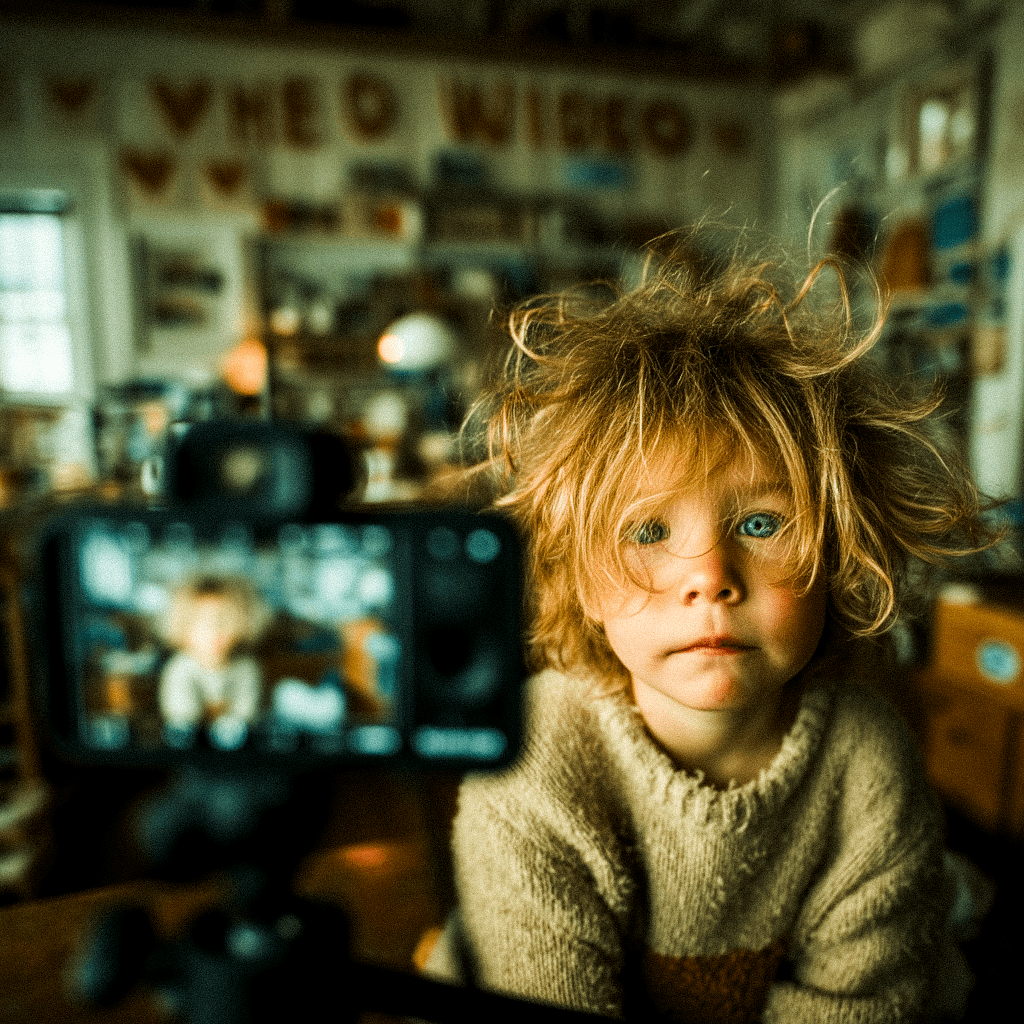
Games should train imagination and collaboration. This Roblox game trains paranoia and despair. Every play session is a lesson in helplessness. You will be robbed. You will be mocked. You will be recorded. And your breakdown will be replayed millions of times.
Crying on stream isn’t catharsis. It’s content. Anxiety is baked into the mechanics. Sleep is shattered. Trust is broken. Parents talk about screen time like sugar intake. But this isn’t sugar. It’s fentanyl for focus. The US Surgeon General warned in 2023, “We cannot conclude that social media is sufficiently safe for children.” Roblox ignored it. Steal a Brainrot is proof.
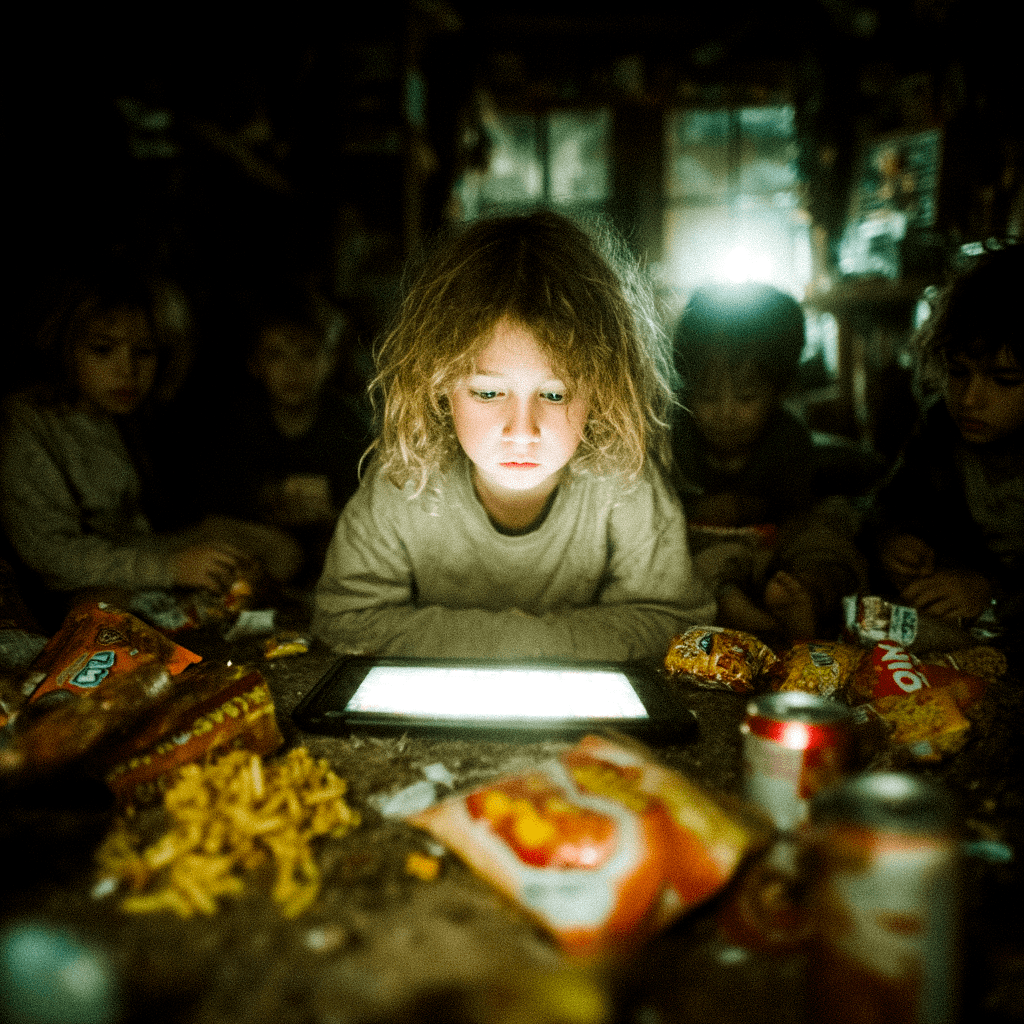
The impact on youth mental health is obvious. Kids internalize humiliation. They brace for loss before even logging in. Ask any parent who’s watched their child sob at bedtime after losing a brainrot. That isn’t a tantrum. That’s trauma rehearsal in real time. Every loss rewires the brain to expect pain as the outcome.
When humiliation is gameplay, resilience is impossible.
This Roblox spectacle isn’t a game. It’s a training ground.
It ends the way it starts. A child in tears. A sibling recording. A studio profiting. The cycle is perfect. Pain becomes entertainment. Entertainment becomes profit. Profit becomes expansion. The spectacle is sustained because the trauma is endless.
Roblox pretends to promote creativity and community. Do Big Studios claims progress and choice. Both are manufactured lies. What’s really happening is the mass conditioning of children into compliance. The game isn’t a glitch in the platform. It’s the blueprint.
Even regulators smell the rot. The EU opened investigations into TikTok over “addictive design.” Roblox is running the same playbook, but aimed squarely at kids. This isn’t Minecraft where kids build worlds. It’s Squid Game for kids coded into Roblox. And it works. Every breakdown proves the design is flawless. Every rebirth proves collapse is addictive.
Your kid isn’t losing a brainrot. They’re being trained to lose themselves.
When your kid cries, someone else gets paid.
The spectacle doesn’t stay in Roblox. Every scream is exported to TikTok, YouTube, Discord. Clips hit millions of views. Siblings record with glee. Strangers bait tears for clout. A child’s meltdown becomes a thumbnail, then a paycheck.
Platforms don’t delete it. They amplify it. The algorithm favors crying faces because misery sticks longer than joy. Roblox gets its cut. TikTok monetizes the views. YouTube creators cash in. Parents are left with a wrecked kid while platforms gorge on the spectacle.
Even the brainrots themselves are part of the hook. Ugly-cute, AI-generated mascots. A shark in Nikes. A bug-eyed rabbit. They’re not pets. They’re avatars of decay, designed to lure kids into obsession. The aesthetic of nonsense becomes the mascot for cultural collapse. The cruelty doubles when it’s family. One child breaks down. The other steadies the phone, laughing, because their sibling’s pain is worth more likes than comfort.
This is the global marketplace of humiliation. Every sob is inventory. Every tantrum is content. Every viral clip proves that pain has a price and children are the supply chain.
Your child’s breakdown isn’t just a moment. It’s inventory.
[aioseo_eeat_author_tooltip show-image="false" show-bio-link="true"]